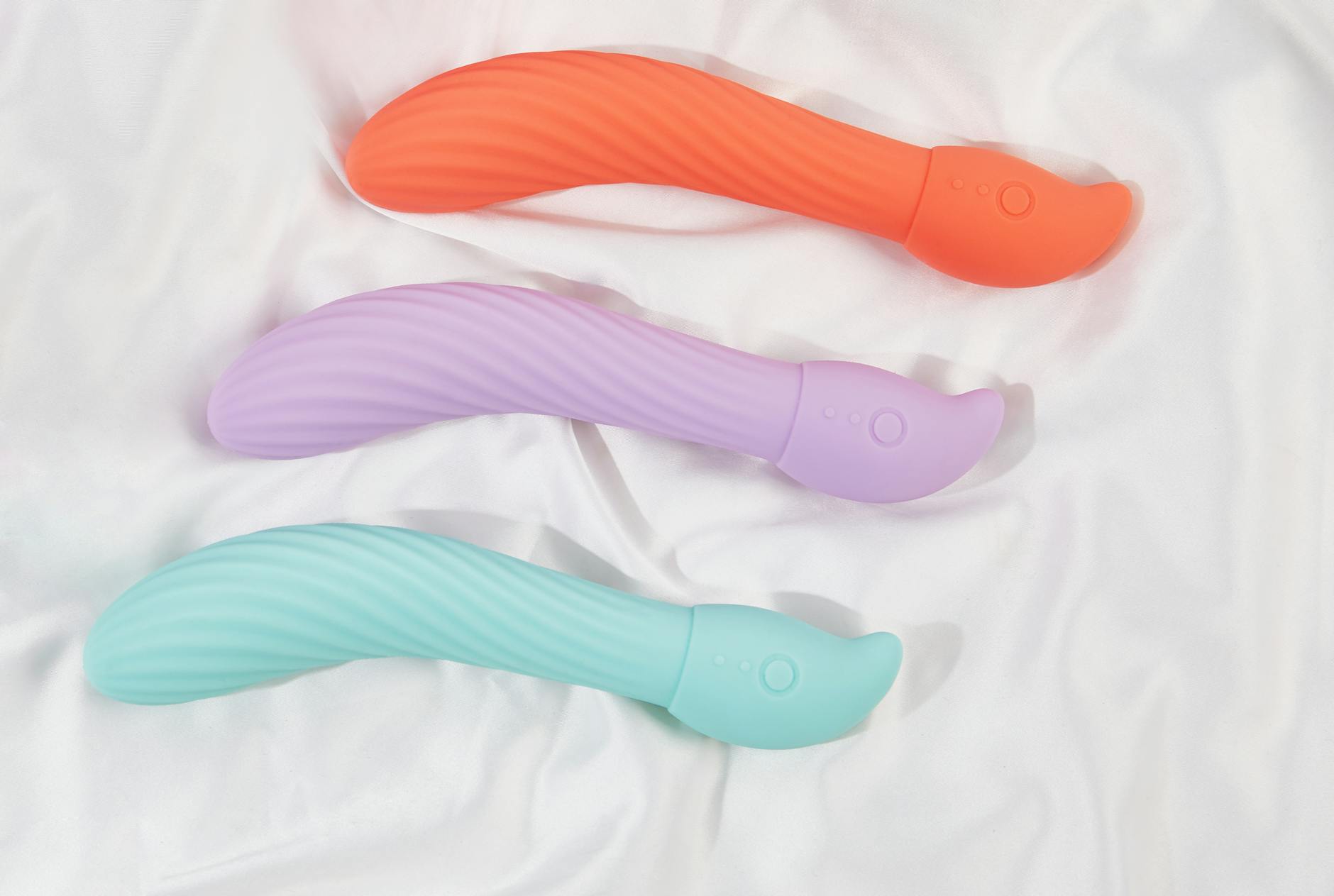
The conversation you're dreading is way easier than you think
Let's be real: the scariest part of using a lemon vibrator with a new partner isn't the device itself. It's that moment before you bring it up when your brain runs through seventeen worst-case scenarios. What if they think you're not satisfied? What if they feel replaced? What if it kills the mood? Here's the thing. None of those catastrophes happen. What actually happens is your partner finds out you're confident about your pleasure, and that's attractive.
The intro works best when it's not framed as a problem to solve. You're not pulling out a lemon clitoral vibrator because something's wrong. You're introducing it because you want to explore something that feels good and you want them there with you.
Why the opening conversation matters more than you think
Relationship research shows that couples who introduce new elements (toys, techniques, positions) with clear communication report higher satisfaction and more sustained desire over time. The vulnerability itself builds intimacy. When you say, "I want to try this with you," you're saying something deeper: "I trust you, and your reaction matters to me."
The timing of the conversation matters. Not during sex, not when you're both stressed. Pick a moment when you're relaxed, clothed, and have ten minutes. Maybe over coffee or after a walk. The casualness of the setting signals that this isn't a big emergency conversation. It's just a preference you want to share.
If you're worried about sounding rehearsed, don't script it. Try: "I've been thinking about exploring my pleasure a bit more, and I want to do it with you. I'm interested in trying a lemon vibrator. Would you be open to that?" That's honest, clear, and inviting. It's not a demand. It's an offer.
What to say if they seem uncertain
Some partners light up immediately. Others pause. If they do, don't fill the silence with justifications. Give them space to process. "What are you thinking?" often opens up the real concern. Maybe they're worried it means you're not satisfied with them. That's the moment to be specific: "I'm satisfied with you. This is about expanding what we share together."
If they're worried about how it'll feel, offer to show them the device beforehand, away from the bedroom. Let them hold it, feel the weight, see how it works. Demystifying it works. If they're worried it'll hurt or feel weird, remind them: you're using it on yourself first, they're just there. Their job is to be present, not perform.
Some partners worry about performance. "Will you still want me?" Let them know clearly: yes. The lemon vibrator is an addition, not a replacement. You want them involved. The point is pleasure, and pleasure is better when it's shared.
The practical setup that makes it feel natural
Don't make it clinical. You're not preparing for surgery. You're just creating a moment that feels good. Here's what helps.
First, charge your lemon vibrator fully beforehand. Nothing kills momentum like "Oh no, the battery is low." Second, keep it somewhere accessible but not aggressive. Don't surprise them by pulling it out of a nightstand drawer like you've been planning an ambush. A conversation followed by "I have it here if you want to" gives them agency.
Third, position yourself comfortably. The most natural first experience is usually you using it on yourself while they're present and involved. Maybe they're touching you elsewhere, or watching, or talking to you. The point is they're not separate from the experience. They're part of it.
If you're using a lemon clitoral vibrator for the first time together, keep early sessions short. Ten minutes is plenty. The goal isn't to force an orgasm. It's to normalize the device and notice how it feels, together.
How to handle the emotional stuff that might surface
Sometimes the first time using a lemon vibrator with a new partner brings up feelings that surprise you both. Maybe they feel vulnerable watching you experience pleasure so visibly. Maybe you feel self-conscious. Both are normal.
If you notice them going quiet or seeming uncomfortable, pause. "How are you feeling?" is a simple check-in. Their answer matters. If they need reassurance, give it specifically. Not "you're fine," but "I love being with you, and I love sharing this with you." If you feel vulnerable, say that too. "I'm a little nervous, but I'm glad you're here."
This is where using a lemon clitoral vibrator shifts from a physical thing to a trust thing. The vulnerability that comes with exploring your body in front of someone creates real closeness, if you let it.
Building comfort over multiple times
The first time is just the first time. Comfort grows through repetition and clear communication. After that first session, check in the next day. "I'm glad we did that. Did you feel okay about it?" These casual follow-ups tell your brain that you're both safe and that pleasure is something you discuss openly.
Over time, you'll both get more comfortable. Maybe they want to be more involved. Maybe you learn which settings feel best. Maybe you find that using a lemon sexual toy together becomes a regular part of your connection. Each of these is a small deepening.
Some couples find that introducing lemon adult toys makes other conversations easier too. If you can talk about a vibrator, talking about boundaries, desires, and needs feels less scary. That openness itself is a form of intimacy that lasts way longer than any single session.
When to adjust your approach
Not every partner reacts the same way. Some want to use it on you. Some want to watch. Some want to explore together with a lem vibrator that's designed for partnered use. There's no single right way. The key is staying flexible and asking what feels good for them.
If your partner seems resistant after a genuine conversation, don't push. Respect their boundary. You can revisit it later. Sometimes people need time to warm up to ideas. Pressure just creates resentment.
If you find that using a lemon vibrator during partnered sex enhances the experience for you both, great. If it stays a solo thing that they're comfortable being present for, that's also fine. The goal is pleasure and connection, not a specific choreography.
The shift that happens after
Here's what I've seen in my work with couples: introducing a lemon sucker or other pleasure tool with a new partner is often a turning point. Not because the toy itself is magic, but because you've both learned that desire and pleasure are things you can talk about and explore together. That foundation changes how you communicate about other things too.
You've also given yourself permission to prioritize your pleasure without guilt. Your partner has shown up for that. That matters. It's a small declaration that in your relationship, your body and your satisfaction matter.
Frequently asked questions
What if my new partner thinks I'm too experienced or pushy for wanting to use toys?
Knowing what you like and wanting to explore pleasure isn't pushy. It's self-aware. If your partner frames it that way, that's a signal about how they view female pleasure, and it's worth noticing. A partner worth keeping sees your comfort with your own body as attractive, not threatening.
Should I let them control the vibrator, or should I keep control?
Start with you in control. That way you know what feels good and can set the pace. Over time, if you both want to, they can take a turn. But your first instinct is the right one. You're familiar with your body. Let them watch and learn what you like before they take over.
Is it normal to feel awkward or self-conscious the first time?
Completely normal. You're being vulnerable. Your partner is watching you experience pleasure. That's intimate. The awkwardness usually fades by the second or third time, especially if you can laugh about it together. If it doesn't fade and you're still dreading it, that might be worth exploring with a therapist.
What if they want to use it on me immediately?
It's fine to say no to that for the first time. Let them know: "I want to figure out what feels good to me first, then we can explore together." Most partners understand. Once you know your own rhythm and comfort level, handing over control becomes much easier.
Can we use a lemon vibrator during actual sex, or should we keep it separate?
Both work. Some couples find that adding a lemon clitoral vibrator during partnered sex enhances sensation and pleasure for everyone. Others prefer it as a separate moment. There's no rule. Experiment and see what feels good.
How do I know if they're actually okay with it versus just agreeing to make me happy?
Watch their energy. Do they seem engaged, or are they going through the motions? A genuine yes shows up as curiosity. "What does it feel like?" "Can I touch it?" "When should we try it again?" If you're getting one-word answers and they look uncomfortable, address it directly. "I'm noticing you seem hesitant. What's actually going on?"
The real payoff
Using a lemon vibrator with a new partner for the first time isn't about the device. It's about building a relationship where pleasure, desire, and honesty are normal parts of the conversation. When both of you can talk openly about what feels good, you're creating something deeper than a single good night. You're building trust.
That foundation makes everything better. Not just sex. The whole relationship. So take a breath, have the conversation, and remember: your partner already likes you. Showing them another dimension of yourself isn't risky. It's an invitation to know you better.
If you want more guidance on communication with partners, our guide to talking about lemon vibrators with your partner goes even deeper into specific conversation starters and how to navigate different personality types.
Your pleasure matters. Your comfort matters. And yes, your partner can handle knowing that.