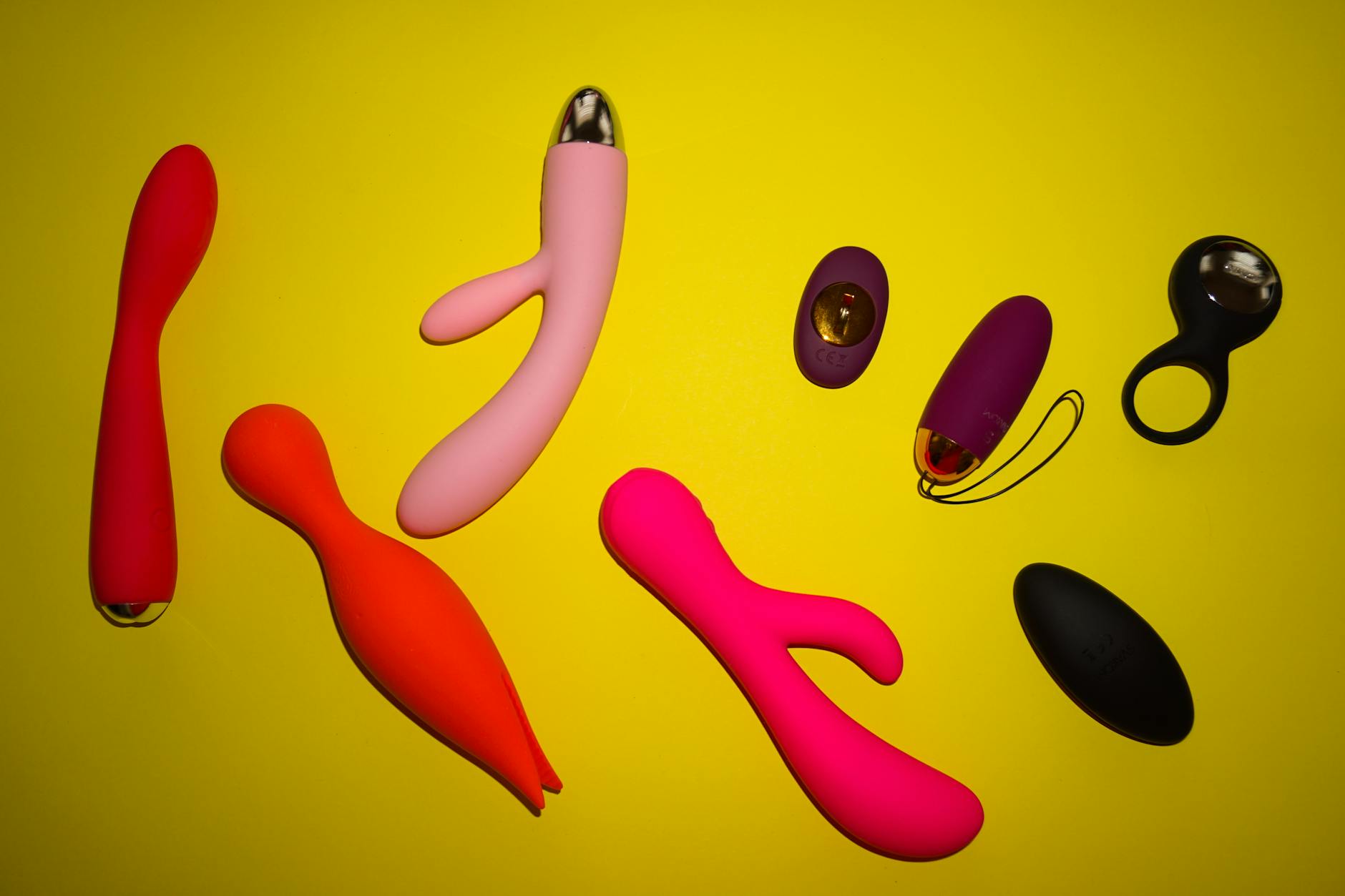
When shame becomes muscle memory
Let's be real. When a past partner made you feel like your pleasure was wrong, too loud, too much, or not the right kind, your nervous system didn't just register that comment once. It learned to treat desire itself as a threat. So when you try to feel good now, some part of you still braces for judgment. Even when the person doing the judging is long gone.
This isn't a psychological problem. It's a relational wound. And it can absolutely be healed.
What I see most often in my practice is that people who experienced partner shame don't need permission to enjoy pleasure again. They need permission to explore it privately, without an audience in their head. A lemon vibrator and a locked door can be the first conversation you have with your body in years where nobody else gets a vote.
Why a lemon clitoral vibrator changes the conversation
There's something specific about using a clitoral vibrator alone that bypasses the old patterns. You're not performing. You're not checking your partner's face. You're not self-editing your sounds or your pace or what your body naturally wants. You're just exploring sensations with zero stakes.
Lemon vibrators and other clitoral suckers work through gentle suction, which feels different from friction-based toys. The sensation is less aggressive, more like a soft pull rather than a buzz or a rub. For people rebuilding trust in pleasure, that matters. You're not overwhelming yourself right out of the gate. You're meeting your body where it actually is, not where you think it should be.
The lem vibrator comes with multiple intensity settings, which means you're in complete control. You're not waiting for a partner to turn something up or down. You're not managing someone else's comfort while you're trying to find your own. That autonomy is part of the healing.
Starting from a place of genuine safety
Before you even plug in a lemon sucker, you need to establish real privacy. Not the kind where you're listening for footsteps. Real, uninterrupted time where your nervous system actually believes nobody is coming to comment.
Then set a boundary with yourself. Your only job is to notice. Not to orgasm. Not to "perform" pleasure correctly. Just to pay attention to what your body is telling you without judging it. If your clitoral nerves are numb from years of self-protection, that's information. If you feel guilty for three seconds, then feel curious, that's information. You're gathering data about your own sensation, not auditioning for anyone.
Many people I work with find it helpful to start with the lemon vibrator on the lowest setting, sometimes over clothing if that feels less exposing at first. There's no rush. Your body spent years learning that pleasure wasn't safe. It will take time to learn something different.
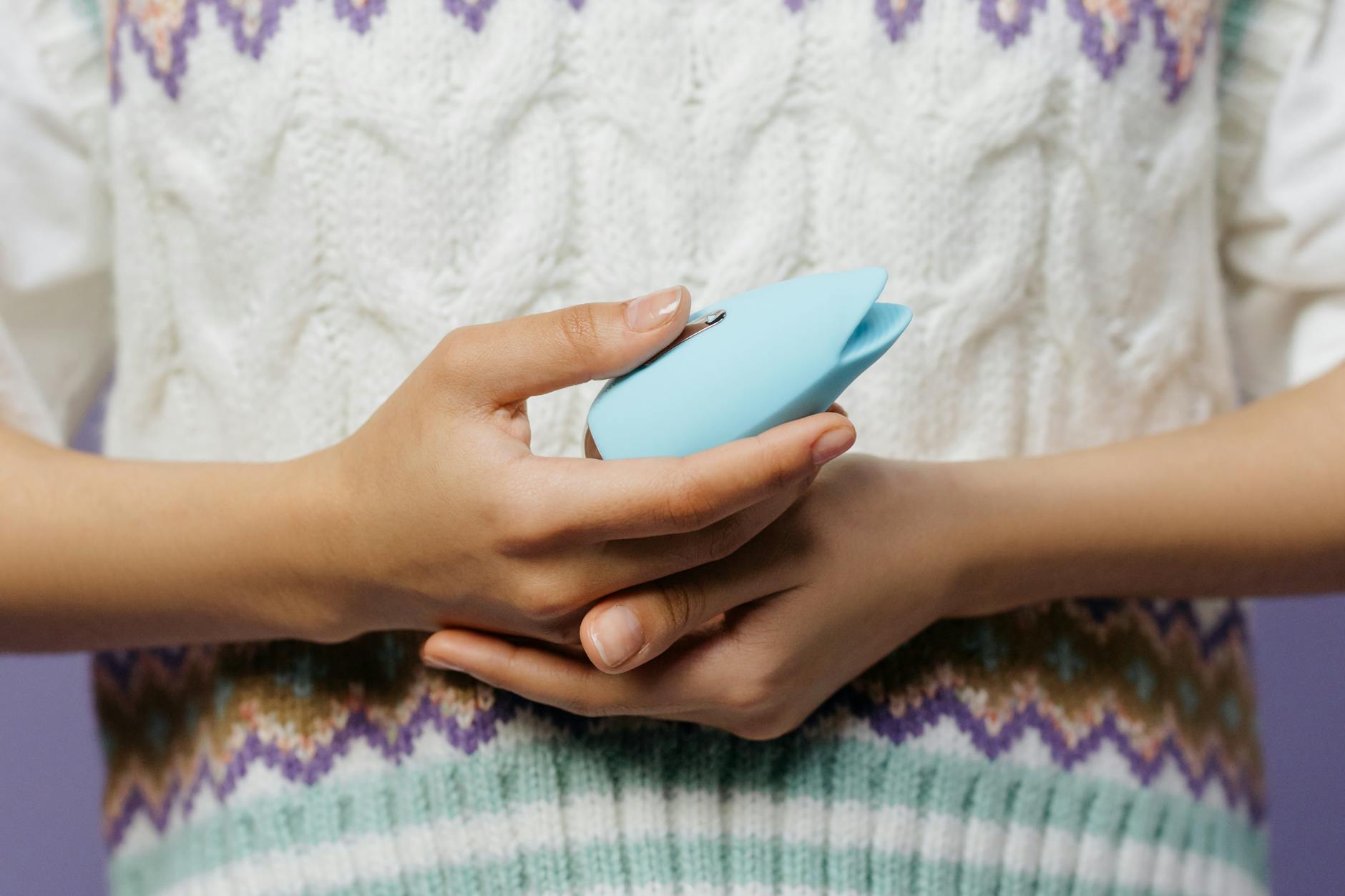
Photo by cottonbro studio on Pexels
What past partner shame actually does to arousal
When a partner criticized your pleasure, your body learned several things at once. It learned that desire was visible when you preferred it hidden. It learned that your natural responses embarrassed the people you trusted. And it learned that the safer move was to not feel much at all.
This often looks like numbed sensation, or arousal that turns on and off unpredictably, or the ability to reach climax only under very specific controlled conditions. Your nervous system isn't broken. It's doing exactly what it was trained to do. It's protecting you.
Using a clitoral vibrator by yourself is a way of slowly, gently telling your body a different story. It's saying: "This is just us. Your pleasure is welcome here. There is no judgment, and we're in control." For many people, that single shift in context allows sensation to return that had been unavailable for years.
How to move through the guilt that might show up
Here's something nobody warns you about. When you start reclaiming pleasure after partner shame, guilt often arrives uninvited. You might feel like you're betraying the narrative that pleasure is selfish or wrong. Your body might tense up because the old programming is still running. This is completely normal, and it passes.
The lemon clitoral vibrators at Hello Nancy's Lems are designed for solo exploration, which means you can practice tolerating pleasure in small doses, with zero external pressure. If the guilt gets loud, you pause. You breathe. You notice that nothing bad happened. Your body is still safe. Then you try again.
Some people find it helpful to pair this with affirmations, though I'm not talking about the vague stuff. Something specific like "My pleasure is not dependent on anyone else's approval" or "I deserve to feel good in my own body" works better than generic positivity. Read it, feel what comes up, sit with it.
Rebuilding connection with solo exploration first
If you have a partner now, it might feel like you should skip straight to partnered pleasure. But actually, the most efficient path to shared intimacy after partner shame is solo healing first. When you've spent time learning what your body actually wants in private, you have real information to bring into the relationship.
Instead of defaulting to old patterns or trying to guess what your partner wants, you can say: "I've been exploring, and I found out I like it slower at first." Or "I need more time to build up sensation." That's not withholding. That's the opposite. That's you showing up with knowledge of yourself.
Your partner benefits too. Instead of managing your hidden shame, they get to witness your actual pleasure. That's a fundamentally different experience of intimacy.
When sensation stays numb even with the lemon vibrator
Some people restart the pleasure pathway quickly. Others take longer. If you're using a lemon vibrator consistently and sensation still feels flat, that's not a sign you're broken. It usually means one of three things is happening.
First, your nervous system might still be in protection mode because there's still an active threat somewhere (a current partner who isn't supportive, lack of real privacy, ongoing stress). Second, medication or hormonal shifts can dull sensation independently of the psychological piece. Third, you might benefit from talking to a therapist who specializes in sexual healing or trauma, because sometimes the narrative runs deeper than solo tools can reach.
None of those mean the lemon clitoral vibrator won't eventually help. It might just mean you need support in parallel.
The timeline nobody tells you about
Reclaiming pleasure after partner shame isn't linear. Some days your body will surprise you with sensation you thought was gone. Other days you'll touch yourself and feel nothing but old embarrassment. This is the actual process. You're not failing if it's not consistent yet.
What helps is showing up regularly. Not obsessively, not punishingly, but with the same gentle consistency you'd show a friend who was rebuilding trust. Maybe twice a week you explore with the lem vibrator. Maybe you spend ten minutes just noticing. Maybe some sessions are about sensation and some are about proving to yourself that your body is safe.
Over months, your nervous system updates its files. It realizes that private pleasure is actually safe. And slowly, arousal that had been locked away starts to become available again.
Moving toward pleasure that's entirely yours
The goal isn't to reach some perfect orgasm standard or to prove you're "healed." The goal is to develop a relationship with your own body that doesn't require anyone else's approval to feel good.
When you're using a lemon vibrator in your own space, with your own pace, and nobody else's expectations in the room, you're not just experiencing sensation. You're practicing sovereignty. You're learning that your pleasure belongs to you, that desire isn't shameful, and that your body's responses are valid even when they're inconvenient or loud or different than someone else wanted.
That's the real shift. Everything else follows from there.
Frequently asked questions
Can a lemon vibrator help if I still feel shame when I'm alone?
Yes, absolutely. Shame often lingers even in private because your nervous system is still running an old program. Start with very short sessions, lowest intensity, over clothing if needed. Your body doesn't need to feel amazing right away. It just needs repeated evidence that pleasure in private is safe. Each time you prove that nothing bad happens, the shame loosens a little.
What if I can't reach orgasm even with the lemon clitoral vibrator?
Orgasm isn't the goal when you're rebuilding trust in your body. If your nervous system is protecting you from sensation, your job is just to notice what you do feel, without judgment. Some people spend weeks exploring sensation before climax returns. That's not failure. That's your body cautiously opening back up. Trust the process.
Should I tell my current partner I'm using a lemon vibrator to heal from past partner shame?
That depends on your relationship and how you communicate. Some couples find it helpful to be transparent. Others do solo healing work first, then bring what they've learned into partnered sex. Both approaches are valid. If your current partner shames or criticizes solo exploration, that's information about the relationship itself and might warrant a deeper conversation or professional support.
How often should I use the lem vibrator while I'm healing?
There's no prescription. Some people benefit from twice-weekly exploration. Others do it sporadically. What matters is consistency over intensity. Regular, low-pressure exposure to solo pleasure teaches your nervous system something new faster than occasional intense sessions. But if you're feeling pressured or obligated, that's a sign to pause and check in with yourself about why.
Can I use a lemon sucker with a partner while I'm still processing past shame?
Yes, but only if you're ready. The advantage of having used a clitoral vibrator solo first is that you already know your body's actual signals. You can guide your partner through what you've learned. Start with really clear communication about pace and pressure. Your partner is not responsible for fixing the shame. But they can support your healing by respecting your boundaries and following your lead.
What if pleasure triggers memories of past criticism?
This is where a trauma-informed therapist becomes really valuable. Sometimes pleasure activates old relational memories, and that's actually a sign your nervous system needs professional support to rewire. A lemon vibrator is a powerful tool, but it's not a substitute for therapy when trauma responses are active. Many people use both in parallel.
Your pleasure belongs to you
When someone made you feel wrong for having desire, they took something that wasn't theirs to take. Reclaiming that isn't selfish or petty or dramatic. It's an essential part of rebuilding your sense of self.
A lemon vibrator, a locked door, and regular time exploring what your body actually wants is one of the gentlest ways I know to start that work. Your nervous system will slowly learn that pleasure in private is safe. Your body will remember what it feels like to want something without apology. And eventually, you'll find that desire that felt forbidden is just a natural part of who you are.
If you're working through this and it feels too big for solo tools, reaching out to a therapist or contacting Hello Nancy's Lems at /contact can connect you with resources built for healing. You don't have to do this alone.
Related reading
Explore how clitoral vibrators support pleasure in other specific contexts. Check out how to use a lemon vibrator when recovering from sexual trauma for deeper healing work, or how to use a lemon vibrator when your partner isn't interested in toys if you're navigating different attitudes toward pleasure in your current relationship.