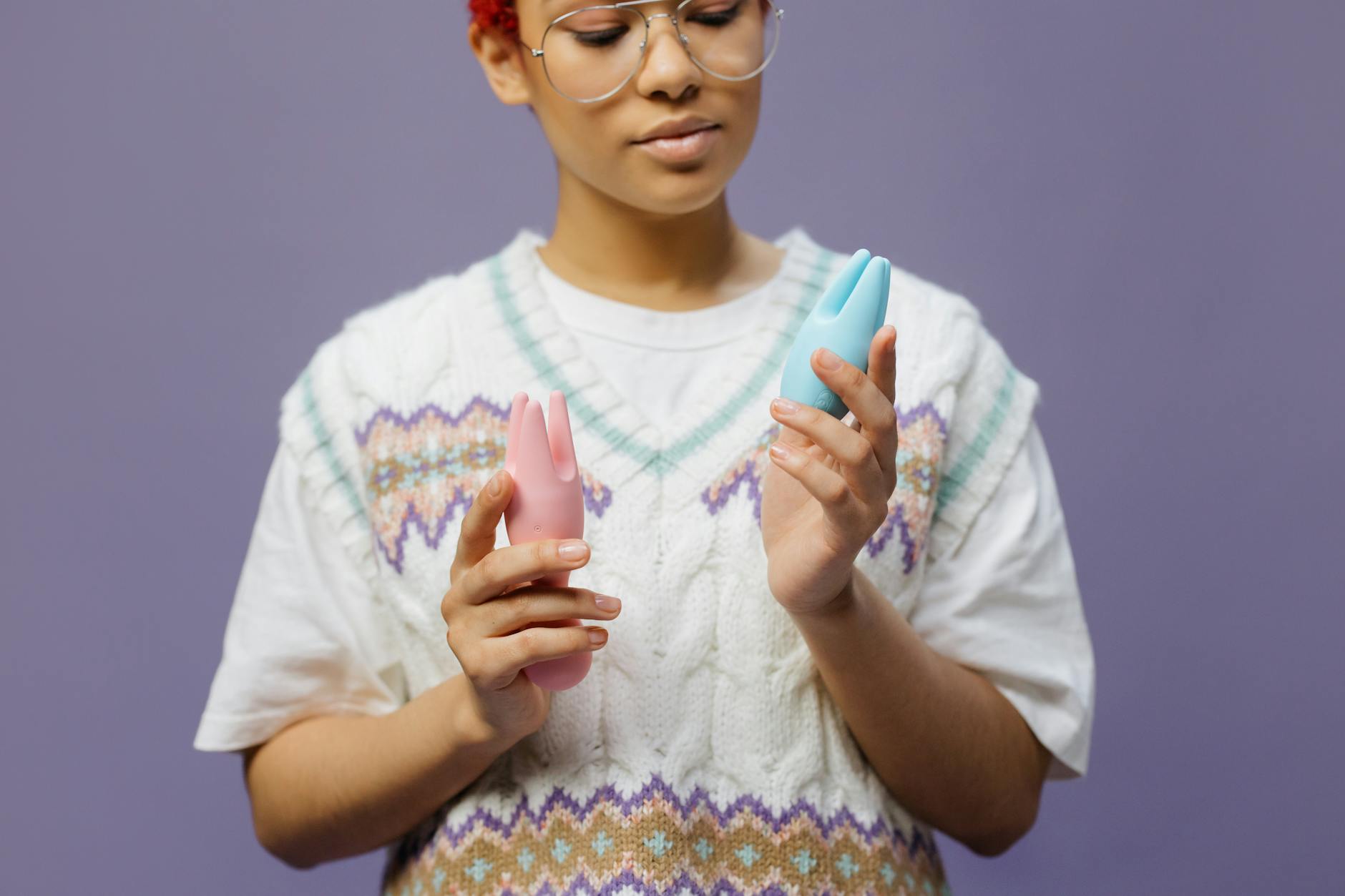
Let's settle this right now
You cannot become addicted to a lemon vibrator the way you become addicted to a drug. Full stop. But here's where the conversation gets interesting: your body does adapt to pleasure stimulation over time, and that adaptation is not a sign you're broken or dependent. It's just how the nervous system works. Understanding the difference between tolerance and addiction will save you years of unnecessary guilt.
What tolerance actually is
Tolerance is what happens when your body gets used to a stimulus. Your nervous system is incredibly efficient. When you experience the same input repeatedly, your receptors downregulate slightly. It takes more of the same stimulus to produce the same response. This happens with literally everything: coffee, exercise, food, temperature changes, even sunlight.
With lemon vibrators and clitoral stimulation, tolerance means that the pattern or intensity you loved on day one might feel less intense on day 20. You might find yourself reaching for a higher setting on the Lem, or trying a different pattern entirely. That's not weakness or addiction. That's adaptation.
The brain adapts because novelty creates stronger neural firing. Once something becomes familiar, it requires more input to activate the same reward circuitry. This is why switching between settings, taking breaks, or varying your routine actually feels better. You're not chasing a high. You're reintroducing novelty to your nervous system.
Why your body needs variation
This is where lemon clitoral vibrators actually have an advantage over other tools. The Lem and similar suction devices have multiple patterns and intensities built in. Using pattern 2 on Tuesday and pattern 5 on Friday keeps your nervous system engaged. You're not pushing for "more" because you're burned out. You're exploring.
I see this constantly in my practice. People worry they're becoming "dependent" on their vibrator when really they've just stopped rotating through the options. Adding novelty solves the problem immediately. Switch intensities. Try a new pattern. Use it in a different position. Change the rhythm.
Some partners worry that using a lemon vibrator will make partnered sex feel boring. This is the same worry disguised differently, and it's worth addressing directly. Studies on vibrator use show that people who use devices during partnered sex actually report higher satisfaction with their partner, not lower. The vibrator isn't replacing the partner. It's adding a layer of sensation that makes the whole experience richer.
What real addiction actually looks like
Addiction has specific diagnostic criteria. It involves loss of control, continued use despite negative consequences, and a compulsive quality that overrides other priorities. When I ask clients if vibrator use is affecting their relationships, sleep, work, or finances, the answer is almost always no.
If you're using a lemon vibrator for 20 minutes three times a week, your nervous system is fine. If you're canceling plans to use it, hiding it from a partner you live with, or experiencing genital pain from overuse, that's different. Those aren't addiction. They're signs that something else is happening: maybe stress, maybe a relationship issue that needs attention, maybe just needing permission to slow down.
The pleasure response itself is not pathological. Wanting to experience pleasure regularly is not pathological. Seeking out a tool that delivers that pleasure efficiently is not pathological. This is what healthy adults do.
How to avoid tolerance buildup
If you want to keep pleasure feeling fresh, there are four simple strategies that work.
First, rotate your patterns. The Lem has multiple settings. Use them. Don't lock into one because it works best. Variety keeps your nervous system engaged.
Second, take strategic breaks. Not forever. Just 3-5 days off every month. This resets sensitivity and makes stimulation feel more intense when you return. It's the same principle as exercise recovery.
Third, change your environment or timing. Use the vibrator at different times of day or in different contexts. Your nervous system responds to novelty in setting as much as in stimulus.
Fourth, layer in other sensations. Use lubrication. Add temperature play. Engage other erogenous zones. The more variables you include, the more your brain stays engaged because it's processing more information.
The difference between physical and psychological dependence
Physical dependence is real with some substances. Alcohol withdrawal is dangerous. Stopping heroin causes physical illness. Vibrators do not create physical dependence. There is no withdrawal. Your body does not develop a chemical need.
Psychological dependence is different. You might feel like you prefer using a vibrator because it feels better than partnered sex, or because reaching orgasm without one feels harder now. But preference is not dependence. You're not dependent on your favorite food, music, or way of falling asleep, even though you might prefer those things.
Here's the hard truth: if you're finding that solo pleasure with a lemon vibrator feels better than partnered intimacy, the vibrator is not the problem. That's information. It might mean your relationship needs attention. It might mean you need better communication with your partner. It might mean you need to reconnect with your own body first before bringing someone else in.
Why this matters in relationships
Some partners worry that lemon vibrators create distance. Research says the opposite. When both partners view the device as part of shared pleasure rather than replacement, satisfaction increases. The tension comes from the story you tell about it, not the tool itself.
If you're in a relationship, the conversation is not about addiction or dependence. It's about integration. "I want to use this sometimes because it helps me feel good" is honest. "I'm worried you'll replace me" from your partner is understandable but based on a false premise. You might use a vibrator during partnered sex. You might use it solo. Both are valid. The key is that your partner understands your pleasure isn't a threat to theirs.
The real issue underneath
When someone asks if they're addicted to a lemon vibrator, what they're usually asking is: "Am I normal?" The answer is yes. Regular pleasure-seeking is normal. Preferring certain tools is normal. Needing variation is normal. Enjoying yourself without guilt or shame is not just normal. It's healthy.
The only real concern is if vibrator use is replacing other important things in your life. If you're isolating, neglecting relationships, experiencing pain, or using it compulsively to escape difficult feelings, that deserves attention. But that's not about the vibrator. That's about something deeper happening underneath the pleasure.
Closing thought
Your body adapting to pleasure is not a flaw. It's evidence that your nervous system is working exactly as designed. You're not broken. You're not addicted. You're just someone who enjoys pleasure and has found a tool that works for you. That's perfectly fine.
Questions you're probably asking
Can using a lemon vibrator too much cause permanent numbness?
No. The clitoris has thousands of nerve endings and incredible plasticity. Vibrator use does not damage nerves or create permanent changes in sensation. If you're experiencing numbness, it's temporary and usually due to overstimulation during a single session. Take a break for a few days and the feeling returns. If numbness persists for weeks, that's worth mentioning to a healthcare provider, but it's not caused by the vibrator itself.
Will I need a vibrator to orgasm if I use one regularly?
This is different for everyone, and it depends partly on how you're using it. Some people find that solo vibrator use doesn't affect partnered orgasms. Others notice that they need different stimulation with a partner. The key is variety. If you only ever orgasm one way, your body becomes conditioned to that specific input. If you rotate between vibrator use, partner touch, and other methods, you maintain flexibility. Best Lemon Vibrator Settings for Different Types of Stimulation explores this in more depth.
Is it normal to prefer my vibrator to partnered sex?
It's common, not pathological. Vibrators deliver consistent, precise stimulation exactly where and how you need it. Partners are unpredictable, require communication, and involve compromise. Sometimes a vibrator just works better. This doesn't mean you don't love your partner or that something's wrong with your relationship. It means you have different needs at different times. The conversation to have with your partner isn't "Does my vibrator mean I don't want you?" It's "How do we integrate this into what we share?"
Does lemon suction stimulation create different tolerance than traditional vibration?
Yes, slightly. Suction-based devices like the Lem create a different sensory experience than traditional vibration because they're stimulating through pressure and release rather than pure oscillation. Some people report that tolerance develops more slowly with suction because the stimulus is novel to the nervous system. But the same adaptation principles apply. Variety, breaks, and intensity switching all help maintain sensitivity.
Can I become addicted to the sensation of a lemon vibrator specifically?
You can develop a strong preference for how a specific lemon clitoral vibrator feels, which is not the same as addiction. Some people love the Lem's particular suction pattern so much that other vibrators feel disappointing by comparison. That's preference. It's not dependence. You can absolutely orgasm without it. You just might prefer not to. That's fine.
What if my partner thinks my vibrator use means I'm addicted?
This is a relationship conversation, not a medical one. Your partner's fear usually isn't really about addiction. It's about feeling replaced or inadequate. Reassurance helps. Inclusion helps more. Using the vibrator together, or with your partner involved, shifts the frame from "solo pleasure I hide" to "shared exploration." Should You Use a Lemon Vibrator During Partnered Sex? addresses this directly. If your partner remains worried after open conversation, couples counseling can help both of you get on the same page about pleasure and intimacy.
If you have lingering questions about vibrator use, pleasure, or how to have the conversation with your partner, we're here to help. Reach out to Hello Nancy anytime.