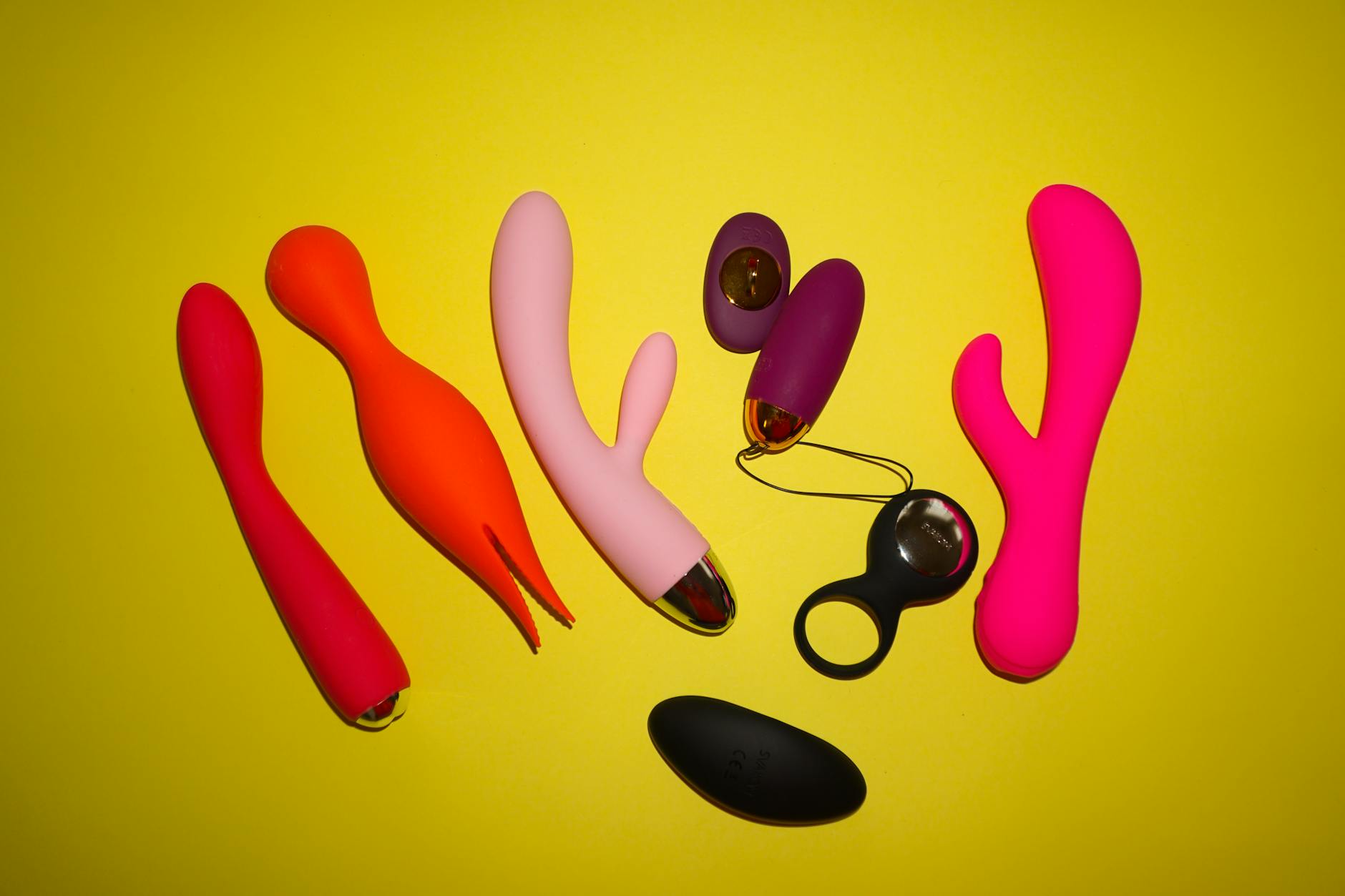
Why Lemon Vibrators Feel Different With Longer-Term Partners
Honestly, after five years or ten or twenty with the same partner, your body gets lazy. Not in a bad way. It's more like your nervous system has learned all the shortcuts. Your partner knows exactly where to touch you, how long to wait, what angle works. Your body has memorized the path to pleasure so well that it doesn't have to pay attention anymore.
Then you introduce a lemon vibrator, and suddenly your brain wakes up.
That's not just sensation talking. That's neuroscience, relationship dynamics, and permission all tangled together. Here's what's actually happening when a lemon clitoral vibrator enters a long-term partnership, and why it often feels shockingly different than you'd expect.
The novelty reset in long-term relationships
After years together, your partner's touch triggers a predictable neural pathway. Your body knows what's coming. The anticipation flattens. This isn't a sign your relationship is broken. It's just how habituation works. Your brain prioritizes novel stimuli over familiar ones, which is why the hundredth time your partner touches you feels chemically different from the first.
A lemon vibrator introduces novelty without introducing infidelity or betrayal. The sensation is unfamiliar. The rhythm is unpredictable in small ways. Your clitoral nerves are receiving stimulation they haven't felt before, which means your brain has to stay present. You can't drift. You can't anticipate. That forced attention is where the intensity comes from.
My clients describe it as "waking up during sex." They're not being insulted by their partners. They're being reactivated.
Why suction feels so different after years of the same touch
A lemon clitoral vibrator uses suction and pulsing patterns, which stimulates the clitoris differently than a partner's hand or fingers ever could. After a decade of the same pressure and rhythm, your nerve endings have built a tolerance. They're waiting for the familiar pattern. Then suction arrives, and there's no familiar pattern to fall back on.
For couples where sexual touch has become habitual or pressured, this shift is profound. You're not relying on your partner for arousal anymore. The lemon vibrator becomes a third presence in the bed, and that permission to focus on yourself while your partner is there can completely reframe the experience.
It's not cheating on them. It's inviting them into a different version of you.
The permission problem in long-term partnerships
Here's something I see constantly in my practice: people in long-term relationships stop asking for what they actually want sexually.
Not because their partners are withholding. Because after years, you assume your partner already knows you, and asking for something new feels like criticism. Like you're saying "what we've been doing isn't enough." So you don't ask. You accommodate. You pretend the same touch still feels the same way.
Introducing a lemon vibrator breaks that silence. It's a concrete object that says "I want to feel different things." For many couples, it's the first honest conversation about pleasure they've had in years.
The vibrator isn't the point. The permission is.
How a lem vibrator can dissolve performance pressure
In long-term relationships, especially ones that have settled into a steady sexual rhythm, performance anxiety often hides. You feel like you should reach orgasm a certain way, on a certain timeline, with a certain emotional tone. Your partner is watching. They've invested time. You don't want them to feel rejected or inadequate.
So you fake it, rush it, or stop trying altogether.
A lemon clitoral vibrator removes your partner from the outcome equation momentarily. You're not performing for them. You're not managing their feelings. You're just chasing what your body actually wants. Many people find that removing the audience, even symbolically, makes orgasm easier. Then once they remember what that feels like, they can bring that ease back into partnered sex.
It's not that your partner was doing something wrong. You were just managing too many emotions at once.
The intimacy shift when you introduce novelty together
What surprises most couples is that introducing a lemon vibrator often increases intimacy, not decreases it.
Think about it this way: you're essentially saying to your partner "I want to explore this with you." That's vulnerability. That's asking them to witness you discovering something new about yourself. For partners who are secure and willing, that's an enormous expression of trust.
I've had long-term clients tell me that the conversation about buying a lemon vibrator was more intimate than the sex itself. They had to articulate desire. They had to admit they wanted something different. They had to risk rejection. And when their partner said yes, it rewired something fundamental in the relationship.
That openness tends to spread. If you can ask for a vibrator, you can ask for other things. The dam breaks.
When your body responds more to the vibrator than your partner
This is the thing couples don't talk about, and it creates shame.
A lemon vibrator might make you orgasm more reliably, more intensely, or more frequently than your partner's touch. That's not a referendum on your partner's skill. It's physiology. Suction stimulation is highly efficient at triggering the nerve clusters in the clitoris. Your partner's hand, no matter how skilled, has limitations.
But couples often interpret it as rejection. "Does this mean they turn me on more than I do?" No. It means your body responds to different input. You can have an explosive orgasm from a lemon clitoral vibrator and still feel more emotionally close to your partner during partnered sex without one.
The orgasm and the intimacy are different currencies.
Building a shared pleasure language after years together
After a long time with someone, your sexual language becomes shorthand. You've coded everything. A certain touch means a certain thing. Certain positions are for speed, others for connection. You move through it almost silently because you already know the script.
Introducing new tools like a lemon vibrator forces you to expand that language. Suddenly you're talking about patterns, intensity, timing, and sensations you didn't have words for before. You're comparing notes. You're paying attention again.
Couples who successfully integrate a lemon vibrator into their sex life often report that they talk more about sex in general. Not just about the toy. But about what they actually want, what they've been enduring, what's changed in their bodies over the years.
That conversation is the real intimacy upgrade.
The emotional piece nobody expects
Here's what catches people off guard: after years of the same sex, introducing something new can bring up grief.
Grief that you've let your sex life get predictable. Grief that you haven't asked for what you want. Grief that your partner might not know the fullness of your desire because you've been managing their feelings instead of sharing yours.
That's not a sign the relationship is failing. It's actually a sign it's real enough to feel that disappointment. And it's fixable. A lemon vibrator won't fix it alone, but it can be the catalyst for fixing it.
Couples who move through that grief together, who talk about it and decide to explore pleasure more intentionally moving forward, often rebuild something richer than what they had before.
When to bring it up with your partner
Timing matters. Bringing up a lemon vibrator during sex or right after rejection won't land well. Bringing it up during a fight won't either. But bringing it up during a calm, non-sexual moment, framed as curiosity and desire for both of you, usually opens a conversation instead of closing one.
Try something like: "I've been thinking about trying something new together. I found this clitoral vibrator that I'm curious about. I'd like to try it with you and see what happens." That's honest. It includes your partner. It's about exploration, not criticism.
Their reaction will tell you a lot about your relationship's capacity for growth. And that information is valuable either way.
People also ask
Will using a lemon vibrator with my partner make sex feel less connected?
Usually the opposite. If you introduce it as a collaborative exploration, it deepens connection because you're literally trying something new together. The vulnerability required to ask for it, and your partner's willingness to experiment, both require and build intimacy. The only time it creates distance is if one partner feels pressured or resentful, which is about communication, not the toy.
Can a lemon clitoral vibrator help if we've lost sexual interest in each other?
It can help if the lost interest is rooted in boredom or habituation. A vibrator won't fix a relationship where you've genuinely grown incompatible or where there's infidelity, resentment, or broken trust. But if you still love each other and sex just feels stale, novelty and vulnerability can absolutely reignite things. Start with the conversation first, not the toy.
How do I use a lemon vibrator if my partner is insecure about toys?
Go slow. Let them watch you use it solo first, so they see you enjoying yourself without feeling like they're being compared. Frame it as something you want them to witness, not something they're being replaced by. Many partners who are nervous become enthusiasts once they see the pleasure firsthand. But some need time. Don't push. The resentment isn't worth it.
Should we use the lemon vibrator during partnered sex or separately?
Both. Try it solo first so you know how you like it and what patterns feel good. Then bring it into partnered sex when you're ready. Some couples integrate it during foreplay. Some use it while the partner is inside them. Some use it while making eye contact. There's no one right way. The experiment is the point.
Why does a lemon vibrator feel more intense after years with the same partner?
Your nervous system has habituated to your partner's touch. The same pressure and rhythm no longer trigger surprise, which is essential for pleasure. A lemon clitoral vibrator introduces completely new sensation patterns, so your brain has to stay present. You can't anticipate or drift. That forced attention is neurologically different and often feels more intense as a result.
Is it normal for a lemon vibrator to feel better than my partner's touch?
Completely normal. A vibrator is more efficient at stimulating clitoral nerves than a human hand. That doesn't mean your partner is inadequate or your relationship is broken. It means your body responds to different input types. You can have an earth-shattering orgasm from a lemon vibrator and feel more emotionally connected to your partner during non-vibrator sex. They're not mutually exclusive.
What changes when you say yes to novelty
After years with the same partner, inviting something new into your sexual life is a choice to stay curious instead of settling. It's saying "I still want to feel alive in this relationship. I still want to be surprised. I still want to discover things about myself and about us."
A lemon vibrator is just the tool. The real shift is permission. Permission to want more, to ask for it, to be vulnerable about desire, and to let your partner in on that journey.
Most long-term couples never do that. They let sex become autopilot and wonder why the relationship feels distant. You don't have to be one of them. Start with a conversation. Then maybe start with a toy. Either way, the invitation to explore is the intimacy itself.