
The sensitivity thing nobody talks about plainly
Let's be real. Your clitoris gets sensitive. Not in a delicate, precious way. In a this-direct-vibration-feels-like-sandpaper way. Touch sensitivity isn't a flaw in how you're wired. It's actually a sign your nerve endings are doing their job. The problem isn't your body. It's the toy.
Most vibrators rely on direct, repetitive contact. They buzz against tissue that's become tender, overstimulated, or just needs something different. If you've ever felt that sharp, almost painful buzz even on the lowest setting, your clitoris is telling you it needs a different approach. That's where lemon vibrators and suction-based toys change everything.
How sensitivity actually develops
Three main reasons your clitoris becomes touch-sensitive over time.
First, repeated stimulation. The same pattern, the same toy, the same pressure for months or years eventually creates what feels like rawness. Your nerve endings aren't damaged. They're just tired of that specific input.
Second, hormonal shifts. Estrogen fluctuations (perimenopause, cycle changes, medication) thin the tissue around the clitoris, making it more reactive to direct pressure. This is especially common in your 40s and 50s, but it happens at any age.
Third, arousal speed. When your body ramps up arousal quickly, the clitoris engorges and becomes hypersensitive to any direct contact. For some people, going straight to vibration without proper warm-up feels aggressive rather than pleasurable.
Why lemon vibrators are different
Lemon clitoral vibrators use suction and gentle pulsing instead of straight vibration. The technology mimics the sensation of oral sex in a way that doesn't require direct pressure on the most sensitive part of your clitoris.
Here's what happens: instead of a vibrating bulb pressing against tissue, a lemon vibrator creates a gentle suction pattern that stimulates the entire clitoral complex. The sensation is diffuse rather than focused. It feels softer, less demanding, and infinitely more customizable.
For people with touch-sensitive clitorises, this is the difference between pleasure and discomfort. You're not fighting the toy. You're working with your body.
The suction versus vibration breakdown
This matters more than most articles acknowledge. Suction and vibration are fundamentally different sensations, and one usually feels better than the other depending on your sensitivity level.
Vibration is directional force. It buzzes. The sensation travels through tissue, and if your clitoris is tender, that buzz can feel jarring or even painful on high settings. With vibration, you're trying to hit the perfect speed without overshooting into discomfort.
Suction is rhythmic release. It creates a pulsing sensation that feels more like a partner's mouth. The tissue isn't being hammered. It's being gently pulled and released in a pattern. For sensitive clitorises, this is almost always more comfortable, especially if you need clitoral stimulation without direct pressure.
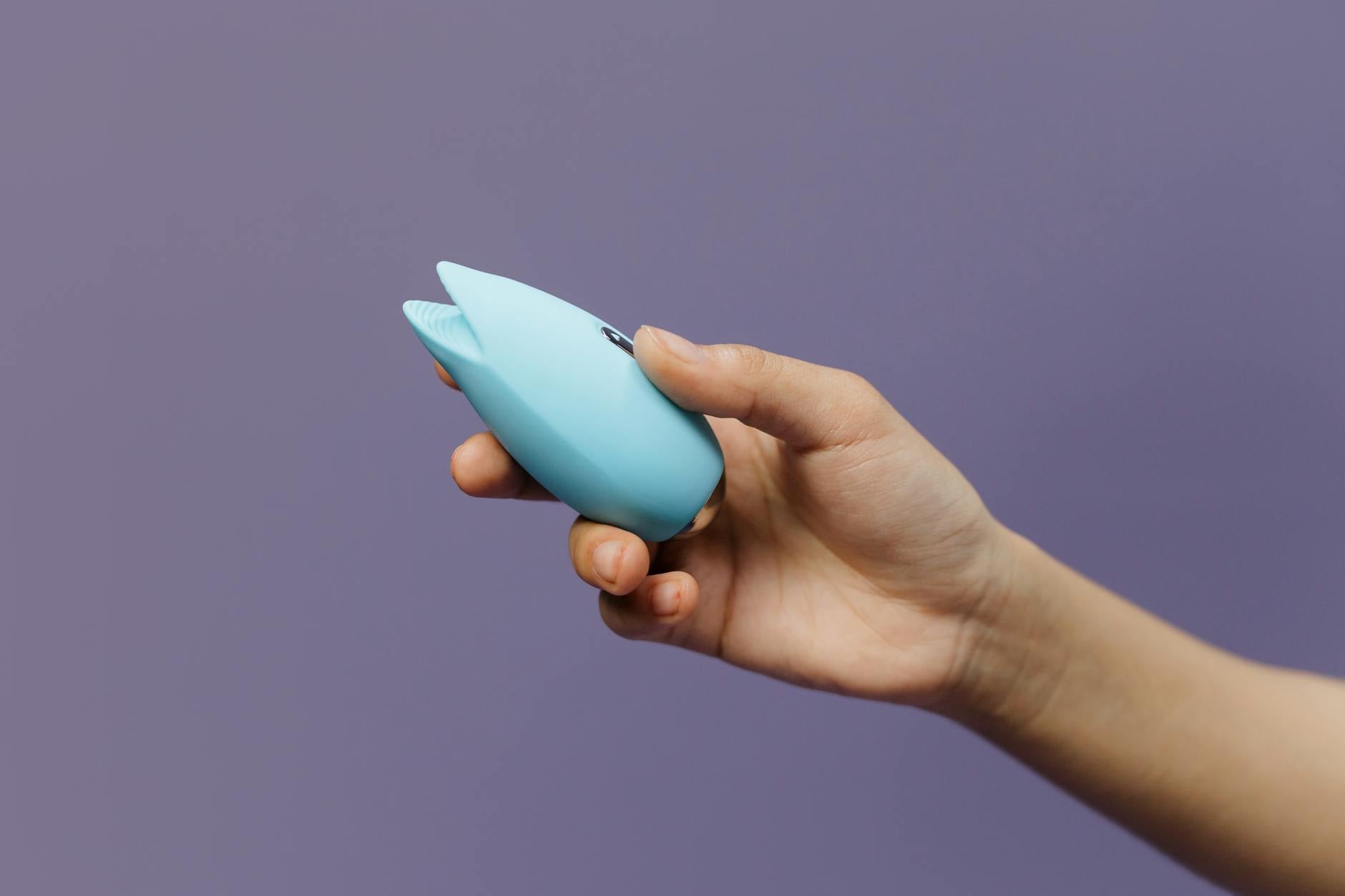
Photo by cottonbro studio on Pexels
Most lemon vibrators have intensity levels 1 through 4 or 5. Start at level 1 or 2. The pattern, not the power, is what drives pleasure when you're touch-sensitive. That gentle pulsing at the lowest setting often delivers more sensation and satisfaction than cranking a traditional vibrator to maximum.
Real factors that change your sensitivity
Your clitoris isn't equally sensitive all the time. Knowing what shifts sensitivity helps you use lemon vibrators smarter.
Cycle changes affect the game. If you menstruate, your clitoris is more sensitive around ovulation and less so during your period. If you use hormonal birth control, you skip these shifts entirely. Menopause and perimenopause flatten sensitivity overall, which can actually make suction toys feel more rewarding because the sensation is sustained rather than jarring.
Arousal buildup matters. Jumping straight to toy play without warm-up almost always means higher sensitivity. Spend 10-15 minutes on manual stimulation, kissing, or just thinking through something that turns you on before you bring the lemon vibrator in. Your clitoris will be more forgiving.
Stress kills everything. Cortisol tightens pelvic floor muscles and dulls sensation. If you're running on stress and coffee, your clitoris will feel either numb or hypersensitive with no middle ground. This isn't about the toy. This is about whether your nervous system is in a state where pleasure is actually possible. Manage stress first, toy second.
How to use a lemon vibrator if you're sensitive
Four practical moves that almost always work.
Start with the lowest setting and stay there until you're sure you need more. Level 1 on most lemon clitoral vibrators is thoughtfully designed. It's not weak. It's just not overwhelming.
Position it slightly off-center rather than directly on the clitoris. Suction toys work brilliantly this way. The sensation spreads across more tissue instead of concentrating in one hypersensitive spot.
Use a water-based lubricant. This isn't about dryness. It's about creating a seal that makes the suction sensation more even and less pinchy. A tiny amount of lube changes the whole feel from potential-irritation to smooth pleasure.
Take breaks. If you feel that sharp, almost stinging sensation, stop. Your body is telling you the intensity (or the position, or the timing) isn't right. This isn't failure. This is information. Adjust and try again.
When sensitivity signals something else
Sometimes touch sensitivity points to something worth discussing with a doctor.
If the sensitivity is new and sudden, especially if it came alongside other changes like pain during sex or unusual discharge, get checked. Genitourinary syndrome of menopause, yeast infections, and dermatologic conditions can all create sensitivity that feels like normal clitoral tenderness but actually needs treatment.
If the sensitivity is accompanied by numbness elsewhere or weak orgasms that feel almost muted, medication side effects might be the culprit. Antidepressants, blood pressure meds, and antihistamines can all dampen sensation. A menopause-trained doctor or relationship therapist can help you sort through whether it's the medication, your body, or both.
If you've always been sensitive and nothing's changed except your frustration, lemon vibrators probably fix this entirely. But if sensitivity showed up recently with no obvious reason, that's worth a conversation with someone who knows your health.
Building comfort around sensation
Here's something most toy guides skip: your clitoris responds better to toys when you're not afraid of them.
If you've had a bad experience with vibration (too intense, caused soreness, just felt wrong), it's natural to approach new toys with caution. But that caution tightens your pelvic floor and makes sensation feel more sensitive, not less.
Spend some time with the lemon vibrator off. Hold it. Get familiar with the shape and weight. Use it with your hand to explore where on your clitoris feels best with and without stimulation. This sounds simple, but it separates the toy from the expectation of immediate pleasure. When you finally turn it on, you're already comfortable.
Talk to your partner if you have one. Let them know that sensitivity isn't about them or what they do wrong. It's about your body needing something specific right now. That conversation often dissolves the shame or pressure around sensitivity and makes trying new tools feel collaborative rather than solitary.
The bigger picture on sensitivity
Touch sensitivity in your clitoris is not a limitation. It's information. Your body is saying: this approach isn't working, try something gentler. Try suction. Try lower intensity. Try positioning. Try warm-up.
Lemon vibrators listen to that information better than most toys because they were designed around sensation, not just power. They give you options. They let you control intensity without sacrificing pleasure. They make sensitivity a feature, not a bug.
If direct vibration has been your only reference point, the first time you use a quality suction toy might feel revelatory. It's not that you were broken. You were just using the wrong tool.
FAQ: Touch sensitivity and lemon vibrators
What's the difference between a lemon vibrator and a regular clitoral vibrator?
Lemon vibrators use suction-based stimulation instead of pure vibration. A regular clitoral vibrator buzzes. A lemon vibrator creates a gentle pulsing suction sensation that mimics oral sex. For sensitive clitorises, suction is usually more comfortable because it doesn't require direct pressure on tender tissue.
Can I use a lemon vibrator on high if my clitoris is sensitive?
You can, but you probably won't want to. The point of starting at level 1 or 2 is to let your clitoris adjust. If level 1 feels good, you don't need higher. Many people with touch-sensitive clitorises find that the lowest settings on lemon vibrators deliver better orgasms than maximum settings on traditional vibrators.
Does sensitivity go away if I use lemon vibrators more often?
Not exactly. Sensitivity stays, but your clitoris adapts to the sensation. With consistent use, level 1 might feel almost gentle after a few weeks, and you might prefer level 2. This is normal desensitization, not damage. You're not making your clitoris less responsive. You're helping it learn that this specific stimulation is safe and pleasurable.
Should I use lube with a lemon vibrator if my clitoris is sensitive?
Yes, almost always. Lube creates a smoother seal and prevents any pinching sensation that can happen with dry suction. This is one of the easiest moves you can make to improve comfort if sensitivity has been an issue.
What if a lemon vibrator still feels too intense?
Try positioning it slightly off-center rather than directly on your clitoris. Let the suction sensation spread across your vulva instead of concentrating in one spot. You can also try manual stimulation with your hand while holding the toy nearby without turning it on, building arousal before you add the suction.
Is touch sensitivity related to hormones?
Often, yes. Hormonal changes like perimenopause, menopause, and cycle shifts affect clitoral sensitivity. Estrogen changes the thickness of tissue around your clitoris, making it more or less reactive. If sensitivity is tied to your cycle or recent hormonal changes, lemon vibrators tend to work particularly well because suction is gentler than vibration on thinner, more reactive tissue.
Can lemon vibrators help with antidepressant-related numbness?
They can help, but the mechanism is different from sensitivity. Numbness is usually about reduced sensation, not heightened sensitivity. Lemon vibrators provide broader, more diffuse stimulation than traditional vibrators, which sometimes helps with numb sensation. If numbness is severe, talk to your doctor about whether medication timing or type might be adjustable.
You deserve sensation that feels good
Sensitivity isn't a problem to solve. It's a signal to listen to. Your clitoris is telling you what works and what doesn't. Lemon vibrators are built for people who hear that signal and want tools that match it.
Start low. Stay curious. Let your body show you what feels right. The best toy is the one that makes pleasure feel like pleasure, not endurance.
If you're ready to explore what works for your sensitivity level, reach out. Hello Nancy's Lems is here to help you find tools that actually fit how your body responds.