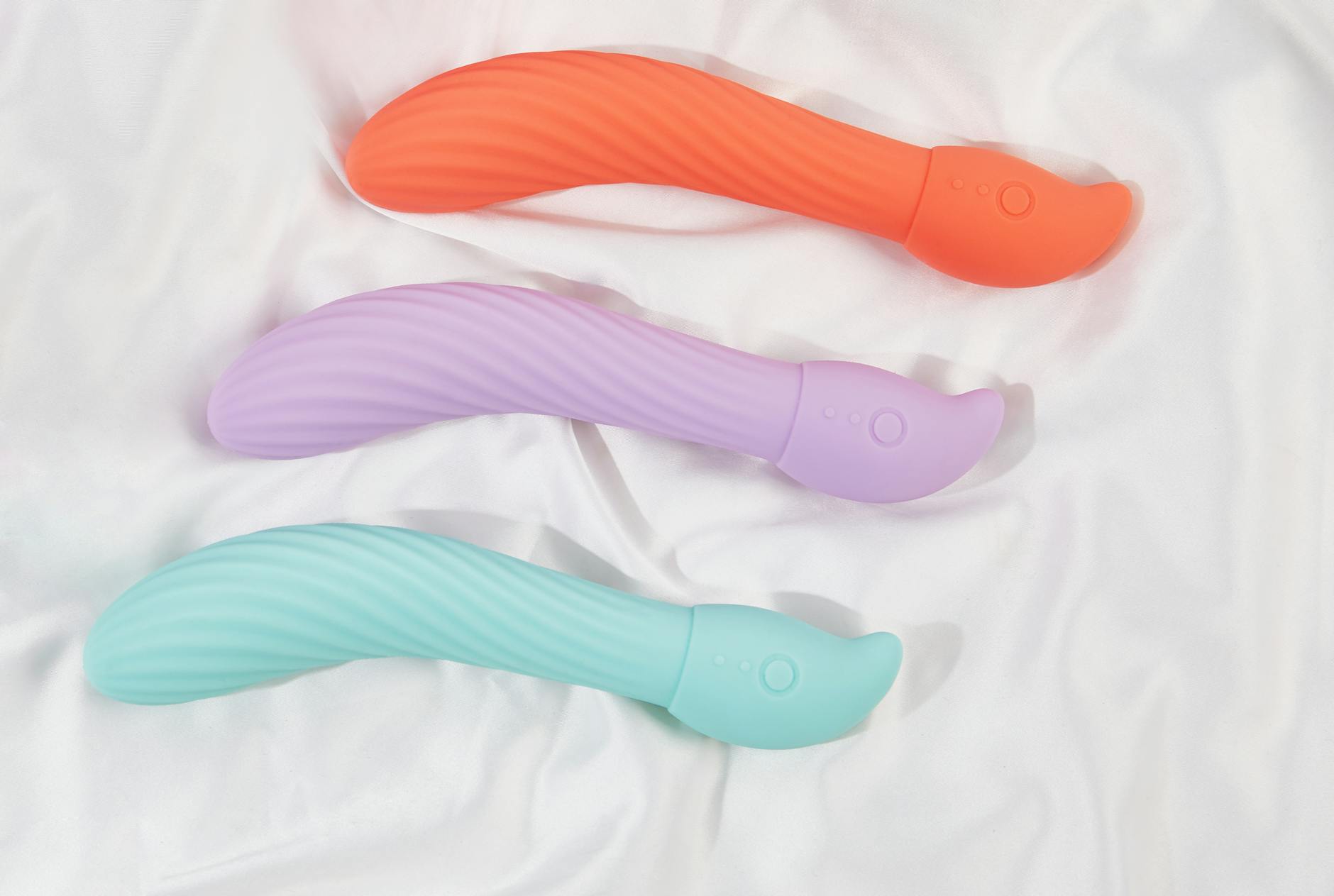
Let's talk about the thing nobody warns you about
You switched antidepressants. Your mood steadied. Your energy returned. And then you picked up your lemon vibrator and felt almost nothing.
This is real. It happens often enough that I've stopped being surprised when clients mention it in therapy, but it's almost never discussed in the paperwork your doctor hands you. Your psychiatrist might say "sexual side effects are possible" and then move on. But what does that actually mean? Why does it happen? And most importantly: does it mean you're broken, or just temporarily recalibrated?
How SSRIs change the pleasure chain
Most commonly prescribed antidepressants are SSRIs (selective serotonin reuptake inhibitors). They work by keeping serotonin in your brain longer, which lifts depression and anxiety. That's the helpful part. But serotonin doesn't live alone in your nervous system. It talks to dopamine, the neurotransmitter that fires when you feel anticipation and reward.
When you switch medications, or increase a dose, the balance shifts. Higher serotonin can dampen the dopamine spike that normally happens during arousal. Your clitoris might respond normally to touch, but your brain gets less of the signal that says "this feels good." The lemon vibrator is still stimulating your nerve endings. Your brain just isn't receiving the message as vividly.
This is not the same as losing capacity for pleasure. It's more like turning down the volume on a song you love. The song is still there. The speakers are working. You're just hearing it more quietly.
Which medications cause this most often
Not all antidepressants affect pleasure equally. SSRIs like sertraline, paroxetine, and fluoxetine carry the highest risk. SNRIs (serotonin-norepinephrine reuptake inhibitors) like venlafaxine can too, though sometimes less intensely. Bupropion, oddly enough, often improves sexual function because it works on dopamine instead of serotonin, which is why some people find their desire actually returns after switching to it.
Here's the tricky part: the first few weeks after any switch can feel like a sexual dead zone. Your old medication is leaving your system, the new one is still ramping up, and both are messing with your neurochemistry at the same time. This isn't permanent. But it can feel endless when you're in it.
What changes and what doesn't
Three things matter here, so let's separate them clearly.
What often decreases: The intensity of orgasm, the speed of arousal, the ability to feel building pleasure. Many people describe it as needing much longer warm-up time, or feeling like they're reaching for something that's just out of reach. When you use a clitoral vibrator like the lemon, you might need higher patterns, longer sessions, or more direct stimulation than before.
What usually stays intact: The physical ability to have an orgasm. Your nerve endings haven't changed. Your clitoris is still there, fully innervated, capable of response. You can still orgasm. It might just take different conditions or more time.
What sometimes surprises people: The emotional distance. Many people feel disconnected from pleasure not just physically, but mentally. You know you should be enjoying the sensation, but your brain feels like a spectator. That's the dopamine thing at work. It's not your fault, and it's not permanent.
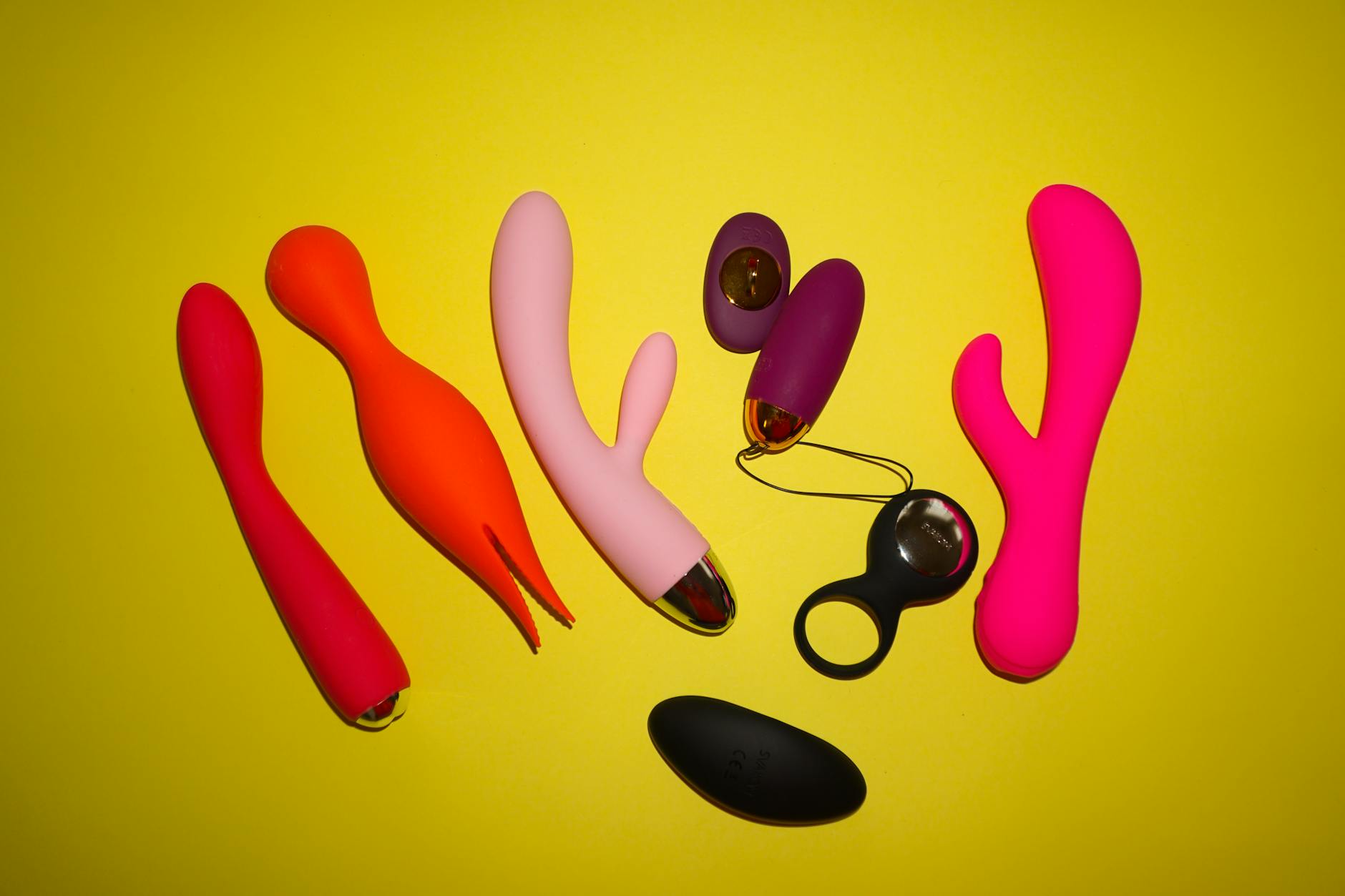
Photo by FounderTips on Pexels
The timeline (what usually happens)
Right after you switch: Days 1-7. Everything feels muted. This is acute medication change, and yes, it's rough. Give yourself grace here. This is the worst window, and it gets better.
First adjustment period: Weeks 2-6. Sensation begins to return gradually. Some days you feel almost normal. Other days the flatness creeps back. This is your brain recalibrating. It's not linear progress, which makes it frustrating. But it is progress.
Full adjustment: Weeks 6-12. Most people report their pleasure returns to baseline or close to it. Some people notice they feel different than before, but often in ways they learn to work with or even prefer.
The long view: A few people find that after 3-4 months, pleasure never quite returns to the original intensity. This doesn't happen to everyone, but if it happens to you, that's information worth sharing with your psychiatrist. Sometimes a dose adjustment or an additional medication helps. Sometimes you find that you're okay with the new normal.
What actually helps (besides waiting)
You don't have to white-knuckle through this.
Longer warm-up time is your friend. Budget 20-40 minutes of foreplay or solo exploration before introducing any lemon clitoral vibrator. Your brain needs time to build anticipation even if the dopamine feedback is quiet. Extend the runway. Give sensation time to accumulate.
Experiment with patterns and intensity. If your lemon vibrator has multiple settings, try patterns you never used before. Sometimes a different rhythm wakes up sensation in a new way. You might discover that pattern 4 or 5 actually feels better than pattern 1 used to feel, even if it's not the same.
Lubricant matters more than usual. When pleasure feels distant, physical resistance (friction, pulling, rubbing the wrong way) becomes noticeable in a bad way. Good water-based lubrication removes that friction and lets you focus purely on nerve sensation without distraction. Use more than you think you need.
Reduce other stimulation. This sounds counterintuitive, but many people find that adding vibration on top of vibration, or combining clitoral and internal stimulation, actually makes the flatness worse. Try solo clitoral stimulation with your lemon vibrator and nothing else for a few sessions. Let your brain focus on one input channel.
Track when you feel the most sensation. Is it morning or evening? Right after exercise, or at rest? After eating something specific? After you've had coffee or a particular drink? Many people find that their antidepressant creates windows of better sensation. Finding your window doesn't change the medication, but it lets you protect the time when sensation is most accessible.
When to bring this up with your doctor
If flatness persists past week 12, that's a conversation. Don't suffer through this in silence. Your psychiatrist needs to know because:
A dose adjustment might help. Sometimes lowering the dose slightly restores pleasure without sacrificing mood stability. This is highly individual and requires professional judgment.
A different medication might work better. If you're on sertraline and the flatness isn't improving, trying paroxetine might produce a different sexual side effect profile, or bupropion might skip the problem entirely.
An additional medication might support pleasure. Some people take a small dose of bupropion alongside their SSRI to counteract sexual side effects. This is called augmentation, and it's a legitimate strategy, though not for everyone.
The point: this is a real medical issue, not something you're imagining, and it's treatable.
The bigger picture
Which is more important: your mental health or your orgasms? The answer is both, but if you're forced to choose, your mental health comes first. A medication that stabilizes your mood but blunts pleasure is still better than a medication that kills you or a life without treatment.
But you don't have to choose indefinitely. Most people find a middle ground. The flatness passes, or you adjust, or you and your doctor find a combination that works for your whole self. Not just your brain. Not just your pleasure. All of you.
In the meantime: your lemon vibrator isn't broken. Your nerves aren't broken. You're not broken. You're temporarily living in a different neurochemistry, and you're learning how pleasure works inside it.
People also ask
How long does it take for sexual side effects from antidepressants to go away?
Most people notice improvement between weeks 6 and 12 after starting a new medication. Some feel changes as early as week 3. A small percentage don't see improvement past the first 3 months, at which point it's worth talking to your doctor about dosage or medication options. The timeline depends on the specific medication, your body, the dose, and what else you're taking.
Can I use a clitoral vibrator if I'm having antidepressant sexual side effects?
Absolutely. A lemon vibrator or any clitoral vibrator can actually be helpful because air-suction vibrators stimulate nerves in a different way than manual touch does. You might find that patterns you've never used before feel novel and stimulating when other sensations feel muted. The key is patience and experimentation, not abstinence.
Does switching antidepressants reset the sexual side effects or make them worse?
Switching usually resets them. When you change medications, you go through another adjustment period of 6-12 weeks. Some people find the new medication has fewer sexual side effects. Some find it trades one side effect for another. Very rarely, someone finds that the new medication eliminates the flatness entirely. The only way to know is to try it with medical guidance, which is why this conversation with your psychiatrist matters.
Will my sensitivity come back if I stop the antidepressant?
Often yes, though not always immediately. If you stop an SSRI, serotonin levels drop, dopamine feedback usually improves, and many people report that pleasure returns within 2-4 weeks. But stopping an antidepressant for any reason should always be done under medical supervision. Never stop because of sexual side effects alone. Work with your doctor to find a medication strategy that serves your whole mental health.
Is there anything that actually speeds up the adjustment?
Not really. Time and your brain's natural neuroplasticity do most of the work. What helps is reducing other stressors (stress dampens pleasure), maintaining sleep (sleep loss compounds SSRI flatness), moving your body (exercise improves dopamine), and being patient with yourself. The adjustment will happen. You can't force it, but you can create conditions where it happens more comfortably.
Should I tell my partner about this when it happens?
Yes. If you're with a partner, communication is key. Explain that it's a temporary medication adjustment, not loss of attraction or desire. Involve them in the problem-solving (longer foreplay, different stimulation, patience). Many partners feel relieved to understand the reason instead of guessing. And some partners actually feel less pressure during this window, which can paradoxically reduce performance anxiety. Use it as an opportunity to reset how you approach pleasure together.
The bottom line
Antidepressants change how you feel pleasure because they change how your brain processes reward. That's not a moral failing or a sign that sex is over for you. It's neurochemistry doing its job, and it's temporary or manageable in almost every case. Your lemon vibrator will work again the way it used to, or in a new way that surprises you. And if it doesn't, your doctor can help you find a medication combination that protects both your mental health and your sexual self. You deserve that. Reach out to your healthcare provider or contact Hello Nancy at /contact if you need someone to talk through this with.