Let's talk about what nobody tells you
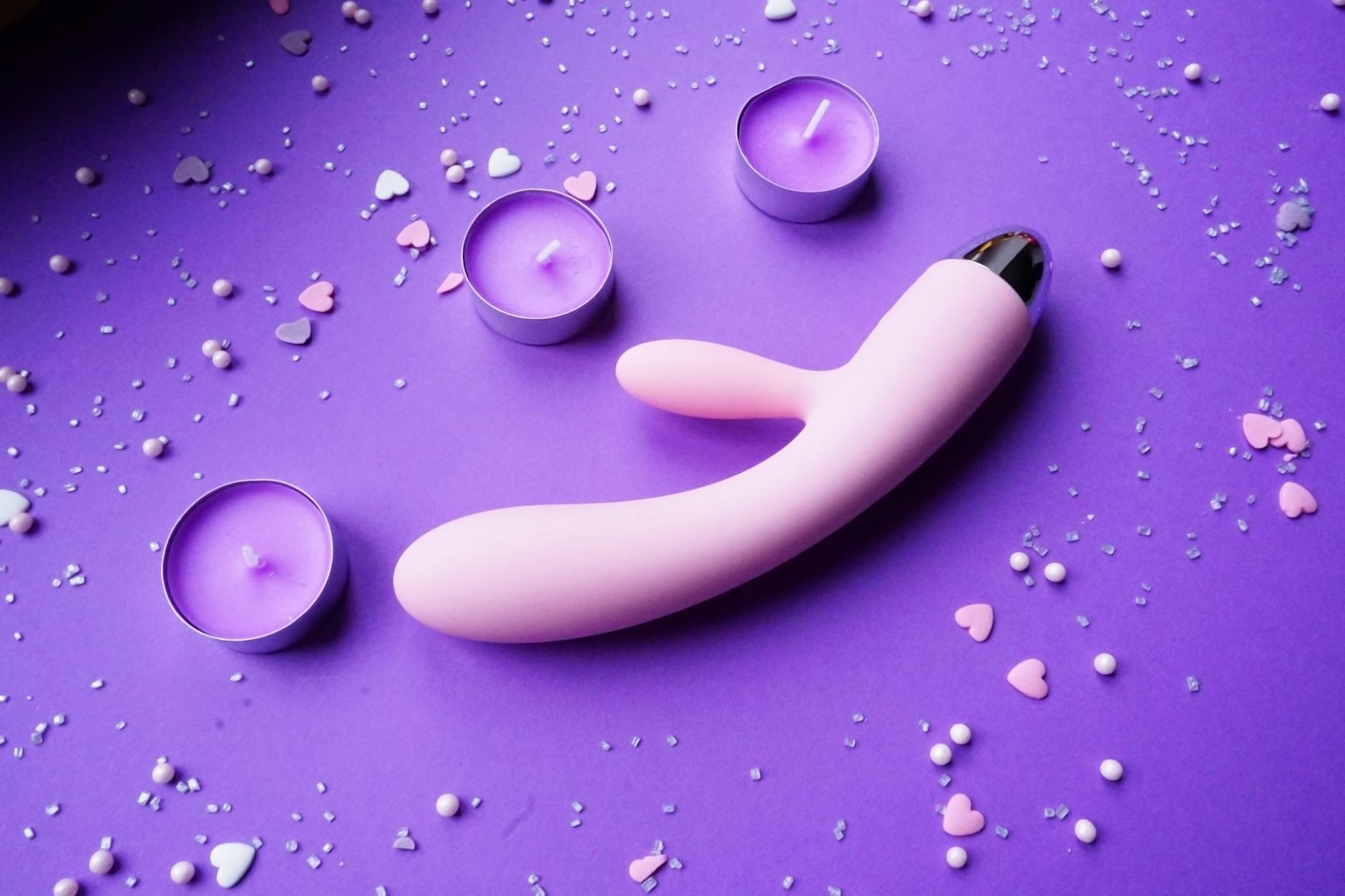
Vaginal surgery, childbirth trauma, or sexual trauma changes your relationship with your body in ways that go way beyond the physical wound. You're not just healing tissue. You're rebuilding trust with yourself. A lemon vibrator, or any clitoral vibrator, isn't a magic fix. But it can be a tool for reclaiming sensation on your own terms, at your own pace.
The hard part isn't knowing when you're medically cleared. The hard part is knowing when you're ready emotionally, and how to do it safely without retraumatizing yourself.
The medical timeline: when is it actually safe?
Let's start with the clinical stuff, because it matters. If you've had surgery involving the vulva, vagina, or perineum, your surgeon will usually clear you for penetrative sex somewhere between 4 and 8 weeks. External stimulation, including clitoral vibrators, can often resume sooner, but "sooner" is individual.
Here's the thing: medical clearance and emotional readiness are not the same thing. You might get the green light at week 4 and still not feel ready at week 8. Both are normal. Both are okay.
For trauma recovery, especially sexual assault or emotional abuse, there's no surgical timeline. Healing happens in layers, and your body might give you access to sensation long before your nervous system feels safe. That gap between physical capability and emotional safety is where most people get stuck.
What happens physically when you use a clitoral vibrator during recovery
A lemon vibrator, or any external clitoral stimulator, doesn't put pressure on any surgical site if you're using it for what it's designed for: clitoral suction and vibration. The clitoris sits outside the vaginal canal, so unless your surgery was specifically on the clitoral body or hood, you're not touching the injury.
But here's what's tricky. Your nervous system doesn't always believe that. If you've had trauma, your body might react defensively to any touch in that region, even stimulation that's medically safe. That's not a sign you're broken. That's a sign your nervous system is doing its job, protecting you.
Start with external sensation first. No insertion, no internal pressure. A lemon sucker (the kind Hello Nancy makes, with gentle suction rather than aggressive vibration) is actually ideal for early recovery because it's less intense than full vibration. You can control the intensity by adjusting the settings, and the suction pattern mimics a much gentler form of stimulation than direct vibration.
Building back slowly: the emotional architecture
Physical healing and emotional healing need different timelines, and forcing them together is how people retraumatize themselves.
Start with awareness alone. Spend time feeling your vulva without any stimulation. Use a mirror. Use a hand. Just notice sensation without expectation. This sounds small, but it's foundational. Your body needs to remember it's yours before you ask it to feel pleasure.
When you do introduce a clitoral vibrator, do it alone first. No partner watching, no pressure to orgasm, no performance energy. Set a time when you're not rushed, your nervous system is calm, and you can stop instantly if something feels wrong.
Use the lowest setting. If it's a lem vibrator, start on pattern 1 or 2. Your tissues are still sensitive, and your nervous system is still vigilant. Give both of them permission to be cautious.
Stop the moment it feels bad. Not uncomfortable in a growth way. Bad. Painful, triggering, defensive. That's data. Your body is telling you something isn't ready yet.
The role of breath and nervous system regulation
This is where the real work happens. If you've had trauma, pleasure might feel dangerous to your nervous system because pleasure meant vulnerability when someone hurt you. Your body learned to brace, to close down, to not feel.
A clitoral vibrator can't fix that alone. But combined with breath work and grounding, it can help you practice safety.
Before you use any toy, spend two minutes grounding. Name five things you can see, four things you can touch, three things you can hear. Then breathe. Slow, controlled breathing signals to your nervous system that you're safe.
While you're using a lemon vibrator, keep breathing. If you notice you're holding your breath, pause. Holding your breath is a trauma response. Your body is bracing. That's the moment to slow down, breathe more deeply, and ask yourself if you actually feel safe right now.
When to involve a partner (and how)
If you're in a relationship, partnered pleasure during recovery needs explicit conversation first. Not during sex. Not in the moment. Before.
Tell your partner what your boundaries are. Tell them what you're trying to rebuild. Tell them that their role right now is witness and support, not initiator. Many people make the mistake of trying to prove they're ready by having partnered sex before they're actually ready for it. That's how retraumatization happens.
If you want your partner involved with a clitoral vibrator, start with them watching you use it alone. Let them see you in control. Let them see you stop whenever you want. This rebuilds the safety that trauma might have fractured.
Only when you've reclaimed the experience solo should you consider bringing a partner into it. And even then, they should be following your lead, not driving.
Red flags that mean you need professional support
Sometimes pleasure doesn't come back easily, and that's not a personal failure. If you're six months into recovery and still experiencing pain, flashbacks, or complete numbness during stimulation, talk to a trauma-informed therapist or sex therapist. Not a general talk therapist, ideally one trained in EMDR, somatic experiencing, or other trauma-specific modalities.
Similarly, if you're experiencing pain during or after using a lemon vibrator, that's worth a checkup with your surgeon or gynecologist. Sometimes scar tissue needs attention. Sometimes the healing took a different path than expected.
Recovery from surgical or trauma-related sexual dysfunction is common and treatable. You don't have to white-knuckle your way through it alone.
How lemon vibrators specifically help with recovery
I mention lemon vibrators specifically because their design matters here. The suction mechanism is gentler than standard vibration. It doesn't require you to coordinate penetration with stimulation. You can use one lying down, sitting up, or however feels safest for your body.
They're also small and controllable, which means you're not managing a large toy while you're trying to manage your nervous system. That simplicity matters when you're rebuilding from scratch.
If you're just starting to explore lemon sexual toys after recovery, begin with the gentlest model available. You can always increase intensity later. Right now, the goal is proof to your nervous system that sensation can be safe.
The long view: pleasure as part of healing
Recovery isn't linear. You might have weeks where sensation feels available again, then weeks where you're defended again. That's normal. Your nervous system is learning that the world is safe one sensation at a time.
Using a clitoral vibrator during recovery is not about proving anything. Not about being "normal" again or on some imaginary timeline. It's about gradually, on your own terms, reclaiming your body as a source of good feeling instead of danger.
Take your time. Your pleasure matters, and it's worth protecting while you rebuild it.
Common recovery questions answered
How long after surgery should I wait before using any vibrator?
Ask your surgeon specifically. For most external procedures, clitoral vibrators can resume once initial healing is complete, typically 2-3 weeks. For more extensive surgery, it might be 6-8 weeks or longer. Medical clearance is necessary, but it's just the floor, not the finish line.
Will using a lemon vibrator hurt my surgical site?
If you're using it for external clitoral stimulation only, no. The clitoris is outside the vaginal canal and separate from most surgical repair sites. That said, your nervous system might react defensively even if your tissues are fine. Start gently and stop if something feels wrong.
Can I use a lemon sucker if I have scar tissue?
Generally yes, but ask your surgeon first. Scar tissue can be sensitive, but gentle external stimulation often helps with scar desensitization. If you have pain during use, pause and follow up with your healthcare provider.
Is it normal to not feel pleasure while recovering?
Very normal. Trauma and surgery both trigger a protective numbness. Your body is conserving energy for healing. Sensation usually returns gradually as your nervous system realizes it's safe again. This can take weeks or months.
Should I tell my partner if I'm struggling with pleasure after surgery?
Yes, absolutely. Your partner needs to understand that recovery takes time and that your timelines might not match. Many couples benefit from a conversation with a sex therapist during this phase, especially if trauma is involved.
What if I have persistent pain after using a vibrator during recovery?
Stop using it and schedule an appointment with your surgeon or gynecologist. Pain is data. It might mean you're not ready yet, or it might signal a healing complication that needs attention. Either way, it's worth investigating rather than pushing through.
Recovery is not a race
Here's what I want you to know after reading this. Your body isn't broken. Your timeline isn't behind. Your hesitation isn't weakness. Pleasure after surgery or trauma comes back in its own time, and that time is different for everyone. A lemon vibrator, or any clitoral vibrator, is just a tool to help you practice safety and rebuild sensation. The real work is you, showing up for yourself with patience, and refusing to rush healing to make someone else comfortable. Your pleasure matters. Take the time it deserves.