Let's name what's actually happening
Relationship drift is real. It's not dramatic or sudden. It's the slow fade that happens when work swallows your energy, kids demand attention, or you both just stop trying. One day you realize you haven't touched each other in weeks, and the thought of initiating sex feels heavier than actually skipping it. Both of you are stuck in the same pattern, and neither knows how to break it without it feeling awkward or forced.
A lemon vibrator won't fix a broken relationship. But it can unlock a door that's been jammed shut.
Why couples avoid this conversation entirely
Here's the thing about bringing toys into a long-term relationship. Both partners are usually terrified of the same thing, just for different reasons. One person worries it means their partner isn't satisfied. The other person worries it signals neediness or that they're failing to satisfy. So you both stay silent, which is actually the worst outcome because silence becomes agreement.
What I see in my practice is this. The couples who reconnect aren't the ones who had the perfect sex life to begin with. They're the ones who got brave enough to say "our physical connection matters to me, and I want to try something new together." That vulnerability, not the toy itself, is what shifts things.
The science of novelty in long-term relationships
Your brain gets used to the same stimuli. If you've been intimate the same way for years, the neural pathways flatten. Dopamine (the motivation and pleasure chemical) drops. Adding something new sparks novelty, which triggers dopamine release in both partners, even if only one person is directly experiencing the sensation.
But here's the part most couples don't know. Watching a partner experience pleasure they didn't expect, especially if they've been disconnected from their own body, rekindles attraction. It's not about the toy. It's about the reminder that your partner is still a sexual being, and you get to be part of that.
How to introduce a lemon clitoral vibrator without killing the mood
Timing matters. Don't do this mid-conflict or when someone's exhausted. Pick a moment when you're both relaxed, clothes on, no pressure.
Start here. "I've noticed we've drifted, and I miss you. I want to try something that might help us reconnect. Would you be open to exploring this together?" That's it. No pitch, no apology, no false cheerfulness.
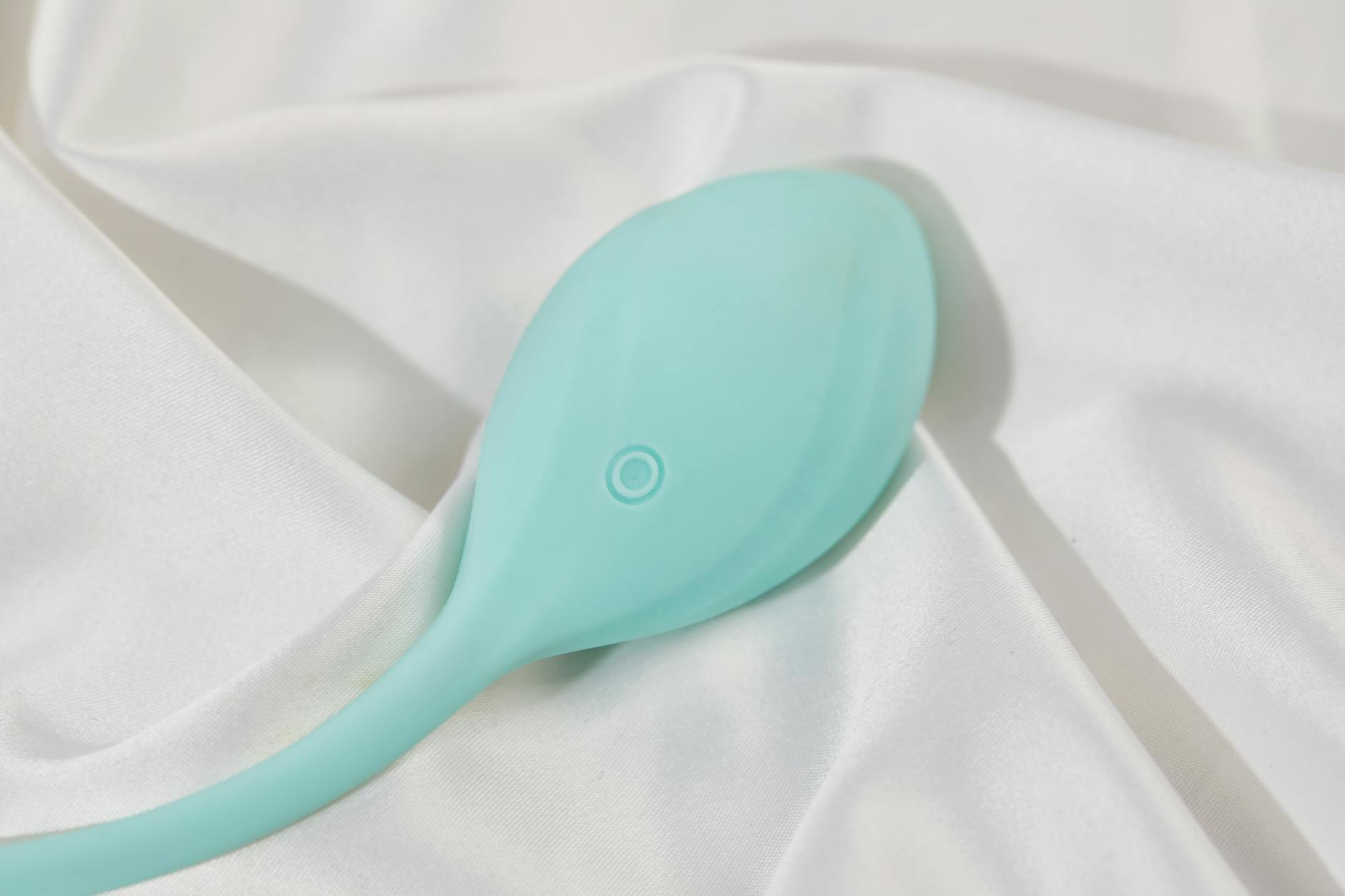
If they say yes, show them what you're thinking about. A lemon vibrator like the Lem is elegant and simple, not clinical. Let them hold it. Let them ask questions. Most of the resistance people feel comes from the unknown, not from the thing itself.
If they say no, that's information too. It means something else is going on. Maybe they need reassurance first. Maybe the real issue isn't sex at all, it's emotional distance that happened before the physical drought. Address that first.
The actual first experience with your partner
Don't build this up. Don't plan the perfect evening with candles and music unless that's already your style. That's pressure pretending to be romance.
Set a boundary that feels safe. Something like "let's just try this together with no expectation of orgasm." That permission to fail is liberation.
For the partner using the lemon vibrator, start with lower settings (1-3 on most devices). Explore what feels good while your partner is present and interested, not performing. This is exploration, not performance.
For the partner watching, your job is simple. Be present. Make eye contact when it feels right. Touch your partner in other ways. Pay attention. Your engagement matters more than your understanding of the mechanics.
When a couple can sit together, laugh at the awkwardness, be curious about sensation, and not rush to orgasm as the finish line, something shifts. You're playing together again.
What happens after the first time
Most couples either return to distance, or they start building a new pattern. The difference is usually about whether you talk about it afterward.
"That felt good" is enough. You don't need a post-mortem. But you do need to acknowledge it happened and that it mattered. Even a simple "I liked being close with you" works.
If it felt awkward, say that too. "That was weird and I want to try again" is honest and keeps the door open.
If one person felt disconnected, that's also information. Sometimes the issue isn't the toy, it's unresolved hurt or resentment. A lemon vibrator can't replace therapy, but it can create a space where you're both vulnerable enough to have the harder conversations.
When this actually works (and when it doesn't)
Lemon vibrators help reconnect couples when the issue is actually physical distance and novelty drought. When you're both fundamentally committed but stuck in routine, this works.
It doesn't fix affairs, active resentment, or abuse. It doesn't replace couple's therapy when there's deep betrayal. If your relationship is healthy but the sex life has become invisible, this opens a door. If the relationship itself is fractured, you need professional help first.
Here's the honest version. I've watched couples use a lemon vibrator and realize that reconnecting physically was actually easier than they thought. That realization often extends to other parts of intimacy. Touch becomes less scary. Vulnerability becomes possible. And once that door opens, the real work of rebuilding begins.
The practical stuff that matters
If you're going to do this, keep a water-based lubricant nearby. Arousal takes time, especially if you've been disconnected, and lubrication removes friction (both literal and psychological).
Start with privacy and time. Not rushed. Not after a stressful day when someone has no energy left.
Understand that your partner's pleasure is not your failure. If they enjoy a lemon vibrator, that's expansion, not replacement. You're adding, not subtracting.
Most important. Know what you're willing to try and what feels like a boundary. Communicate that clearly before you start. "I'm open to this" is different from "I'm open to anything." Both are fine. Both just need to be stated.
FAQ
Will using a lemon vibrator make my partner think I'm not attracted to them anymore?
No. The opposite is usually true. Introducing a toy is actually a statement that you care enough about the relationship to take a risk. It says "I want us to feel good together." If your partner interprets it as rejection, that's about their own insecurity, not about your attraction. That might be a conversation to have separately.
How do we talk about this without sounding clinical or weird?
Pretend you're texting a friend. "Hey, I've been thinking. We haven't been close in a while and I miss that. There's this toy I found that might be fun for us to try. What do you think?" That conversational tone is actually perfect. You're not writing a proposal.
What if my partner says no? Does that mean they don't want to reconnect?
Not necessarily. It might mean they're not ready for a toy, but they want to reconnect another way. Ask what would feel comfortable. Maybe it's less stimulation, more touching, more talking. A lemon vibrator is one tool. It's not the only one.
How long does it usually take to feel reconnected after using a lemon vibrator together?
Some couples feel it immediately. Others need a few times before the awkwardness fades and it becomes genuinely pleasurable. The reconnection isn't really about the toy. It's about consistent presence. If you use it once and then go back to distance, nothing shifts. If you use it and then talk and touch each other more often in other ways, that's when the pattern breaks.
Is it normal to feel vulnerable or emotional after using a toy together?
Completely normal. You've just shared something unfamiliar with your partner. That vulnerability can feel strange or tender. Some couples cry a little, some laugh, some just feel quiet. All of that is your nervous system recalibrating. Let it be what it is.
Should we use a lemon vibrator during partnered sex, or is it just for one person solo?
Both work. Some couples find it easier to start with one person experiencing it while the other watches and touches them. Others integrate it into partnered sex pretty quickly. There's no right way. Start where it feels least threatening and go from there.
The real work starts after
A lemon vibrator can reopen a physical connection. But what keeps couples close is showing up. It's texting during the day. It's touching each other without it going anywhere sexual. It's being curious about your partner's inner world. The toy is a permission slip to remember that your body matters, your partner's body matters, and being close feels good.
Drift happens in relationships. It's not a failure. It's a signal that something needs attention. Using a tool like a lemon clitoral vibrator to reconnect isn't giving up or taking shortcuts. It's actively choosing your partner, even when things feel stuck.
If you're ready to try, start small. Start curious. Start honest. The rest follows.