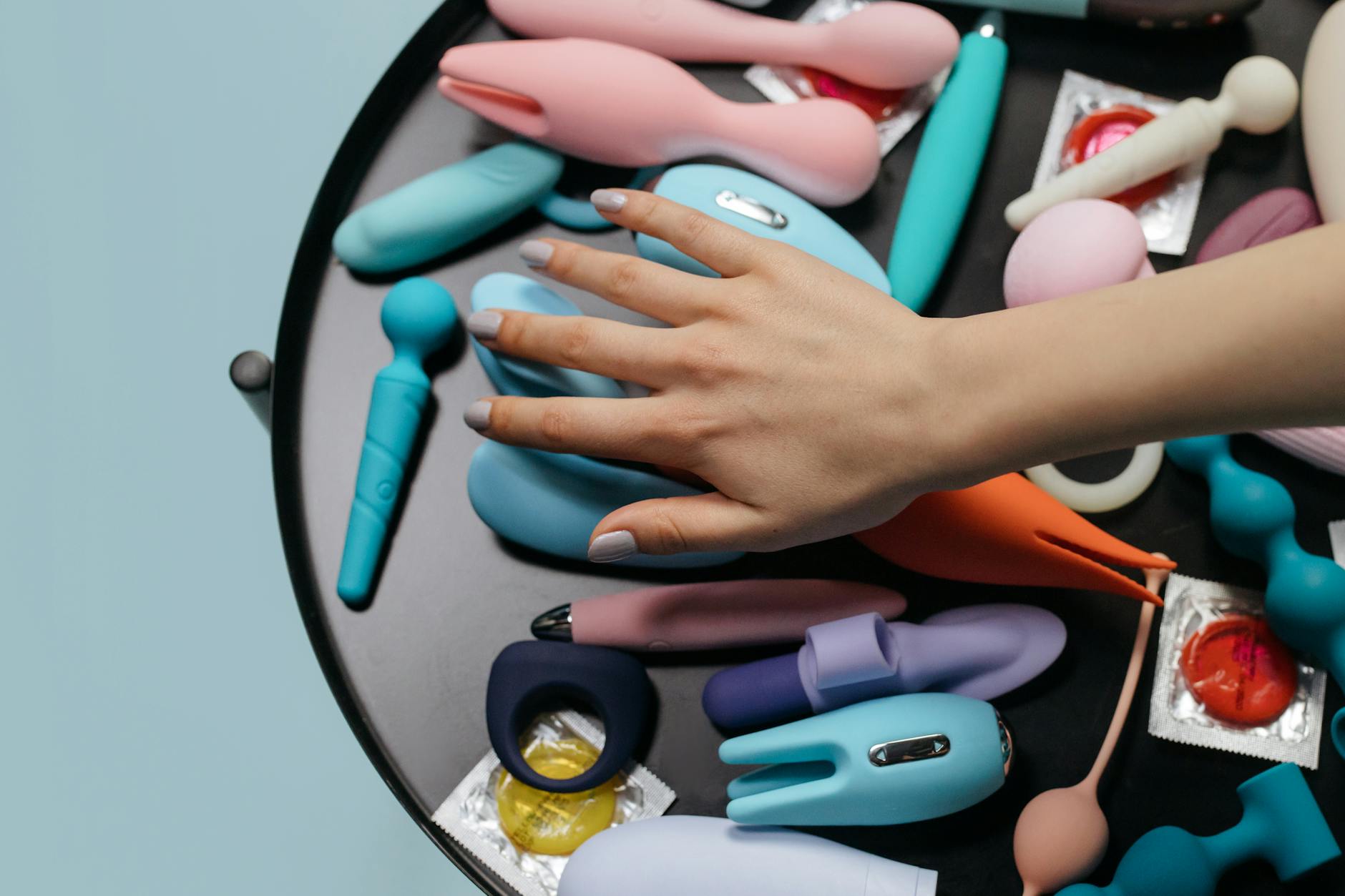
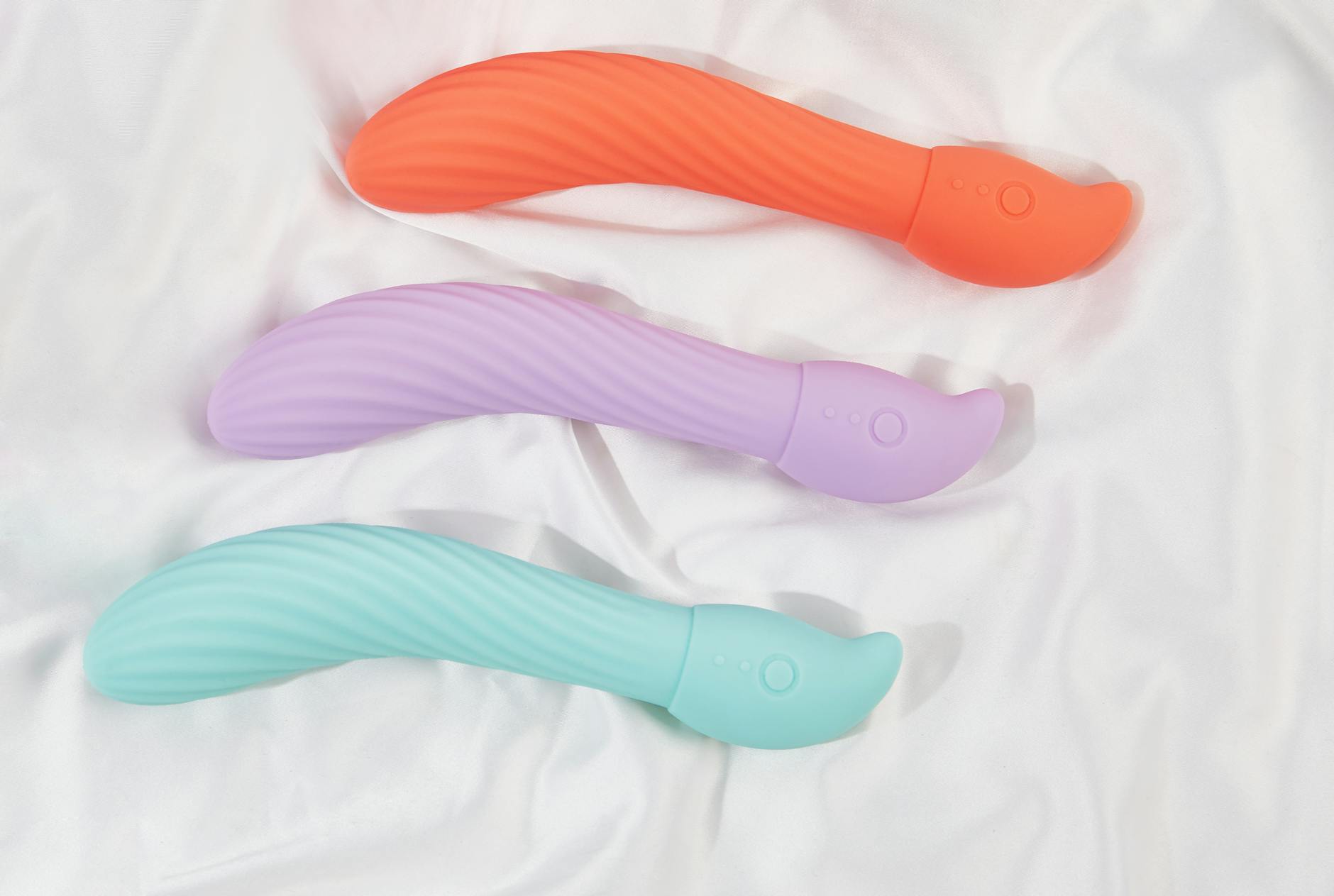
How to Recover Sensation if Your Lemon Vibrator Has Caused Clitoral Numbness
You've been using your lemon vibrator regularly, but lately nothing feels quite as good. Here's what's actually happening, why it's temporary, and how to get your sensitivity back.
Let's be real. You've been using your Lem or another lemon clitoral vibrator several times a week, maybe daily, and somewhere along the way the sensations that used to send you into orbit now feel muted. That peak-of-orgasm intensity? Not quite reaching it anymore. You're thinking: have I broken something? Am I addicted? Is my body just done?
None of those. What you're experiencing is temporary clitoral desensitization, and it's far more common than you'd think. The good news: it's almost always reversible.
The clitoris has roughly 8,000 nerve endings concentrated in a space the size of a pea. That density is both a superpower and a vulnerability. When you use a lemon vibrator consistently, especially at higher intensity settings, those nerves get temporarily fatigued. It's not that they've permanently lost their ability to fire. They just need a break to reset.
Think of it like holding your hand under cold water. At first it's shocking. After a minute, you stop feeling it as much. The nerve endings aren't damaged. They've just adapted to the constant stimulus. Remove your hand, wait a few minutes, and the sensation returns sharply.
The difference with clitoral desensitization is the timeline. Nerve adaptation from vibration takes longer to reverse than simple temperature adjustment. But the mechanism is identical.
Clitoral vibrators, especially lemon-shaped toys designed with suction or high-frequency patterns, are wildly effective. That's the feature, not a bug. But effectiveness means intensity, and intensity, when applied daily without breaks, creates an adjustment period.
A few factors speed up desensitization:
High frequency over long duration. Using a lemon clitoral vibrator for 30+ minutes in one session several times weekly accelerates nerve fatigue. Your nervous system simply taps out.
Always using the same pattern. The clitoris, like your brain, responds to novelty. If you use setting 5 every single time, that neural pathway becomes less responsive. Your body stops encoding it as "new and exciting."
Insufficient recovery time. Your clitoris isn't a device that stays "on" between sessions. It needs actual downtime to rebuild sensitivity. Using it daily without breaks stacks the fatigue.
Combining with other stimulation. If you're using your lemon vibrator alongside partnered sex, penetration, or other toys in the same session, you're asking a small number of nerves to process a lot of input. Overstimulation is real.
Recovering clitoral sensation doesn't require throwing away your Lem. It requires strategic breaks and intentional stimulation changes.
Week 1-2: Full pause. Stop using your lemon vibrator entirely. This isn't forever, but your nervous system needs genuine rest. Two weeks is standard. During this time, you can still have sex or use other forms of stimulation, but keep direct clitoral vibration off the table.
Week 3: Reintroduce with intention. Return to your lemon clitoral vibrator, but change everything about how you use it. Start at the lowest setting. Aim for 5-10 minutes maximum. Use it once every 3-4 days, not daily. This teaches your nervous system that the stimulation is special again, not routine.
Weeks 4+: Gradual intensity return. Once you're feeling sensation returning after two weeks of low-intensity use, slowly move up intensity settings. But don't go back to your old pattern. Cap sessions at 15 minutes. Use it no more than 3-4 times weekly. Vary which settings you use each time.
Most people feel noticeably improved sensation within 3-4 weeks. Full recovery typically takes 6-8 weeks. That timeline sucks, I know. But it's temporary.
As you're coming back from desensitization, expect your sensations to feel different. Not wrong, just different.
Your orgasms might feel more spread out at first, less concentrated at the peak. Your warm-up time might require more foreplay. Some people report that sensations feel almost hyperaware in the first week back, almost overwhelming. This is normal. Your nerves are recalibrating.
You might also notice that lower-intensity settings on your lemon vibrator now feel genuinely pleasant, where they felt boring before. This is the point. You're rebuilding the sensitivity curve, which gets flattened under constant high-intensity use.
If you have a partner, let them know what's happening. "My body needs a reset on vibration for the next few weeks" is a complete sentence. You don't need to diagnose or over-explain.
Partners sometimes interpret desensitization as a sign of lower attraction or reduced interest. It isn't. It's a nervous system thing, not an emotional or relational thing. Separating those conversations matters. You might actually rediscover partnered intimacy during your vibrator break, which can be its own form of reconnection.
If you're worried about going fully without pleasure for weeks, you don't have to. Your clitoris can still feel sensation from other sources while recovering from vibration fatigue.
Manual stimulation, fingers, or a partner's mouth all activate different nerve pathways than vibration does. They also demand different pressure and rhythm, which provides novelty your nervous system craves. Many people find that returning to hands-on touch during a vibrator break actually deepens their connection to their own body.
You could also explore external touch without genital focus, like massage or sensation play with temperature or texture. The goal is to remind your clitoris that pleasure exists in forms other than the Lem.
Once you've recovered, you don't have to white-knuckle your way through restrictions forever. But a few changes prevent a repeat cycle.
Set a sustainable usage pattern. 3-4 times weekly is a solid maintenance frequency for most people. Daily use, especially daily high-intensity use, is where the trouble starts.
Rotate intensity settings. If your lemon clitoral vibrator has multiple patterns or speeds, vary them session to session. Use setting 3 one day, setting 5 another, setting 2 the next. Your nervous system stays engaged.
Take a planned break every 8-12 weeks. A full week off vibration, even after just reaching a great place with sensation, keeps your nervous system from adapting too heavily. Think of it like a refresh for your pleasure.
Pay attention to session duration. Under 15 minutes most of the time, up to 20 if you're really enjoying it, but not regularly 30+ minute sessions. Your clitoris isn't built for marathon vibration.
Clitoral desensitization from overuse is common and reversible. But if you've done a full 8-week reset and sensation still isn't returning, or if you're experiencing pain alongside numbness, see a pelvic health physical therapist or gynecologist. They can rule out nerve damage, which is rare but possible with extremely intensive chronic use, or other underlying conditions.
Also flag it if numbness is localized to one side of your clitoris, if it appeared suddenly rather than gradually, or if it's accompanied by visible skin changes. Those patterns suggest something beyond simple desensitization and deserve professional evaluation.
For most people though, the answer is rest, variation, and patience. Your sensitivity will come back.
Extremely unlikely with standard use. The clitoris is resilient. Temporary nerve fatigue is common. Permanent nerve damage would require years of extremely high-intensity use under unusual conditions. If you're concerned you've caused permanent damage, a pelvic health specialist can assess, but odds are you're experiencing normal desensitization.
Most people notice improvement within 2-3 weeks of stopping vibration use. Full recovery of previous sensitivity typically takes 6-8 weeks. Individual timelines vary based on how frequently you were using your toy and at what intensity.
Switching toys can help slightly because a different shape or vibration pattern activates nerves differently. But the real factor is reducing frequency and intensity, not brand or model. A break from vibration altogether works faster than swapping toys and continuing the same usage schedule.
Yes, but intentionally. Start at the absolute lowest setting, use it for just 5-10 minutes, and space sessions 3-4 days apart during the first month of recovery. This reintroduction is gentler than quitting cold turkey and returning to your old pattern.
No. Addiction involves psychological dependence and compulsive use despite negative consequences. Desensitization is purely a nervous system adaptation to stimulus. You're not addicted. Your body is just telling you it needs variety and rest.
If you have a partner and you're planning a recovery break, a simple heads-up helps. "I'm taking a break from my vibrator for a few weeks to reset" is all you need. Partners sometimes misinterpret reduced sexual interest as a sign of relationship trouble, so transparency prevents that confusion.
Clitoral desensitization isn't a sign you've broken yourself or ruined your pleasure. It's your nervous system's way of asking for a rhythm change. Take the break, vary your stimulation, and give your body the novelty it craves. Most people come back from sensitivity recovery with a deeper understanding of what actually works for them.
If you want guidance through the reset process or have questions about how to modify your routine, reach out to Hello Nancy. We're here to help you rebuild pleasure on your terms.