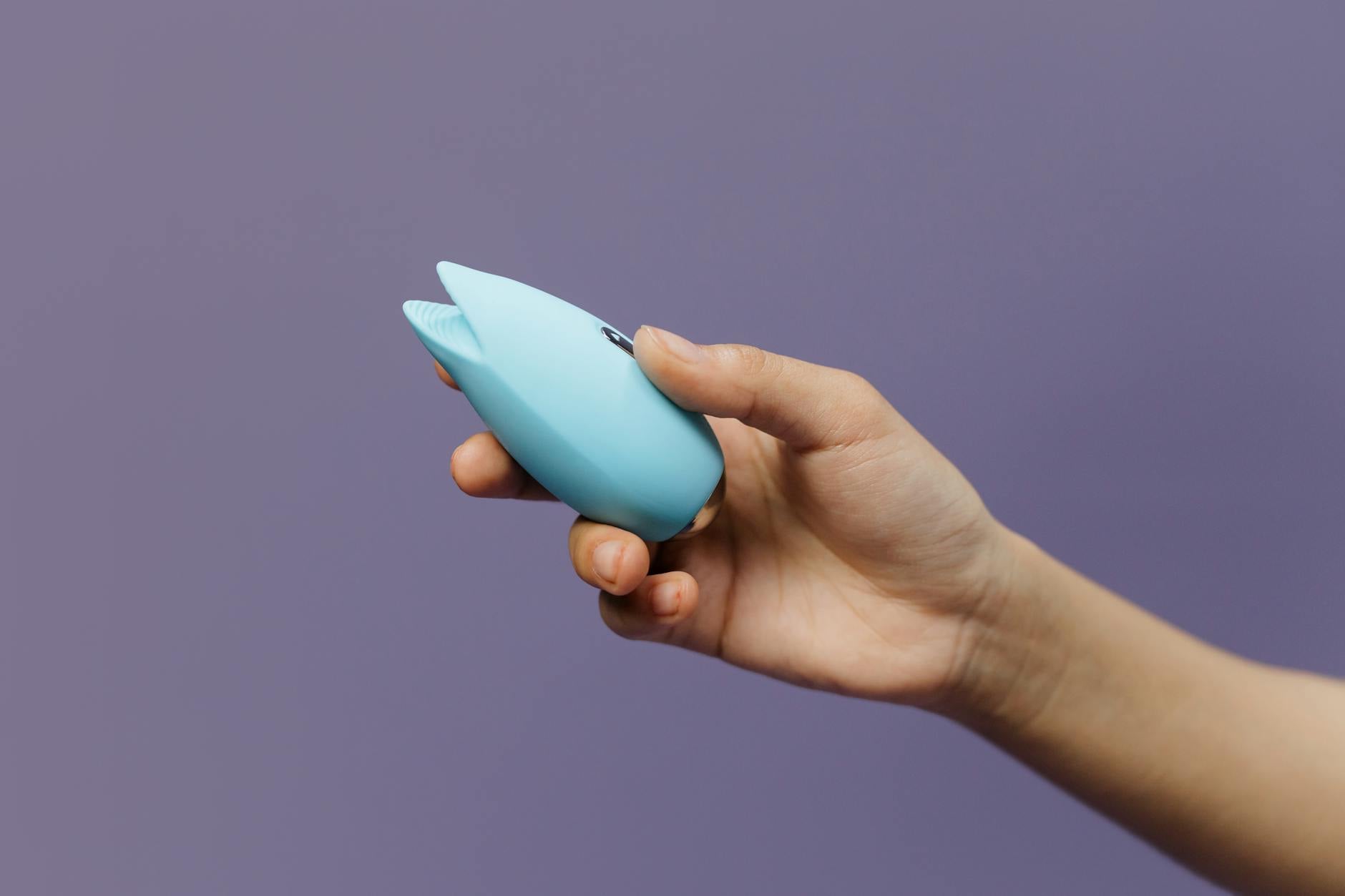
Here's the thing about vibrator desensitization
Let's get straight into it. The fear that regular use of a lemon vibrator causes permanent numbness or desensitization is one of the most persistent myths in sexual wellness. And it's costing people a lot of pleasure they actually deserve to have.
Yes, your body adapts to stimulation. That's not a vibrator problem. That's how bodies work. And the adaptation you're afraid of often isn't what you think it is.
What actually happens when you use a lemon clitoral vibrator regularly
When you use any vibrator consistently, including a lemon sucker, your nervous system does adjust. But "adjust" doesn't mean "break." It means your brain learns the pattern and stops treating it as novel. That's habituation, and it's completely reversible.
Here's the specific pathway. Your clitoral nerve endings are wired to respond most intensely to new or changing sensations. When you introduce the same frequency and rhythm repeatedly, your nervous system essentially says, "Oh, we've seen this before." The sensation doesn't feel quite as electric on day 50 as it did on day 5. That's not desensitization. That's just the brain being efficient.
The critical part: this adaptation is not permanent damage. Your clitoral tissue isn't dying. Your nerves aren't withering. You're not losing capacity. You've just learned a pattern.
The myth of vibrator-induced numbness
The confusion happens because people conflate two different things. True desensitization, where nerve damage actually occurs, is extraordinarily rare with vibrators. It requires sustained mechanical trauma at high intensity and usually develops only in people with pre-existing nerve conditions.
What people usually notice is this: after using the same vibrator at the same setting for months, they need slightly more stimulation to reach orgasm. Then they panic and think they're broken. They're not. They've just habituated to that specific input.
This is exactly like listening to the same song on repeat. The first day it hits different. By day 30, your brain's still processing it, but the emotional spike is smaller. You haven't lost your hearing. You've just adjusted to the frequency.
Why lemon vibrators are actually lower-risk than you think
The air-suction technology in a lemon clitoral vibrator, sometimes called a lemon sucker, distributes stimulation differently than traditional vibration. Instead of relying on high-frequency buzzing, lemon toys create rhythmic suction that mimics the sensation of oral sex. This is actually gentler on nerve tissue because it doesn't use repetitive mechanical vibration in the same way.
Research on clitoral sensation suggests that varied stimulation patterns are less likely to trigger habituation than monotonous ones. Because lemon vibrators create a pulsing sensation rather than constant vibration, your nervous system perceives more variation. Your body stays more engaged.
That said, using any clitoral vibrator always on setting 10, the highest intensity, every single day, will feel less intense eventually. That's not a lemon vibrator problem. That's a stimulus-response problem.
How to use a lemon vibrator without losing sensitivity
The fix is straightforward and doesn't require you to stop using the toy you love. Here are the evidence-backed practices that prevent habituation:
Rotate your settings. Start at pattern 3 or 4 instead of jumping to maximum. Spend time exploring mid-range frequencies. Your body will stay more responsive because the stimulus keeps changing. This also trains you to reach orgasm without needing maximum intensity, which is genuinely useful if you ever use this toy with a partner.
Take breaks between sessions. You don't need to give up lemon vibrators entirely. But using one four times a week instead of twice a day gives your nervous system time to re-sensitize. A week without the toy will reset your baseline almost completely.
Mix up your toys. If you rotate between a lemon clitoral vibrator, a different style like the Berri, and hand stimulation, your nervous system encounters different sensations. That variety keeps arousal sharp.
Use it for partnered sex too. This sounds counterintuitive, but using your lemon sucker during sex with a partner changes the stimulus context. You're not just tracking the vibration. You're integrating it with touch, presence, and connection. That multisensory input keeps your nervous system engaged in a different way.
Build in foreplay windows. Spending 10-15 minutes with non-vibrator touch before using your lemon vibrator resets your sensitivity baseline. Your body will respond more intensely when the toy finally arrives.
When you might actually need to see someone
True vibrator-related sensation loss is rare, but it exists. If you've been using the same toy at maximum intensity every single day for a year and genuinely cannot feel any sensation even after a month off, talk to a pelvic health specialist. That's worth investigating.
But if you've just noticed that orgasm takes longer on your regular lemon vibrator than it used to? That's habituation, not damage. Try the rotation strategies above before you worry you've broken something.
There's also a difference between "less sensation" and "need more stimulation to reach orgasm." You can absolutely still feel everything, but your nervous system might need more input to cross the threshold. That's not numbness. That's adaptation. And it's fixable with the strategies above.
The reassuring part
Your clitoris is resilient. It has thousands of nerve endings designed to process pleasure. One toy, no matter how good, isn't going to permanently disable that. Your body is built for both stimulation and recovery.
The biggest threat to your sensitivity isn't actually your lemon vibrator. It's anxiety about your lemon vibrator. Worrying that you're broken tends to create exactly the tension patterns that make arousal harder. So let's put that to rest.
You can use a lemon clitoral vibrator regularly and maintain your sensitivity. You just need to stay mindful of variety, intensity, and recovery. Your pleasure isn't fragile. It's just responsive.
People also ask
Can using a lemon vibrator too much cause permanent numbness?
Permanent nerve damage from vibrator use is extremely rare. What you're probably experiencing is habituation, which is completely reversible. Your nervous system has adjusted to the stimulus, not been damaged by it. Taking a break for a few weeks or rotating to different stimulation patterns will restore your baseline sensitivity. True desensitization requires sustained mechanical trauma at very high intensity and is almost exclusively seen in people with pre-existing nerve conditions.
How long does it take to regain sensitivity after using a lemon clitoral vibrator constantly?
Most people notice significant re-sensitization within one to two weeks of taking a break or reducing frequency. Your nervous system adapts remarkably quickly in both directions. If you've been using your lemon sucker daily, try cutting back to twice a week and using it only on mid-range settings. Many people find their baseline shifts noticeably within 3-5 days. Patience helps, but you're not looking at months of recovery.
Is there a difference between lemon vibrators and other clitoral vibrators regarding desensitization?
Yes, somewhat. Air-suction technology, like you find in a lemon vibrator, distributes stimulation through pulsing suction rather than high-frequency vibration. This creates more variation in the sensation your nervous system processes, which may actually reduce habituation compared to traditional vibrators that buzz at a constant frequency. That said, any toy used always at maximum intensity will eventually feel less intense. The variable stimulation in lemon toys gives you a built-in advantage.
What's the safest way to use a lemon sucker to avoid desensitization?
Rotate your settings, take breaks between sessions, and vary your foreplay. Start at pattern 3 or 4 instead of maximum intensity. Use your lemon clitoral vibrator three to four times a week instead of daily. Alternate with other forms of stimulation, including partnered touch and hand stimulation. Spend time with non-vibrator foreplay before using the toy. This variety keeps your nervous system engaged and prevents habituation. If you're worried about losing sensitivity, the solution is almost always increased variation, not abstinence.
Does masturbating with a lemon vibrator reduce sensitivity during partnered sex?
Not inherently, but it can feel different because partnered sex involves different sensations, presence, and pressure. Many people find that <a href="/blog/should-you-use-lemon-vibrator-during-partnered-sex">using a lemon vibrator during partnered sex</a> actually enhances sensation and connection. Your clitoris responds to the toy the same way it does solo, but the broader context changes how your whole nervous system processes the experience. If you're noticing reduced sensitivity with a partner, it's usually about communication and comfort, not about the vibrator.
Can lemon vibrators cause clitoral atrophy or tissue damage?
No. Clitoral tissue is robust and well-supplied with blood flow. Vibrator use doesn't cause atrophy or tissue death. What can happen with extreme, sustained pressure and high-frequency vibration is temporary inflammation or irritation, which resolves with rest. This requires genuinely excessive use and high intensity. Regular, moderate use of a lemon sucker or any quality vibrator carries no risk of structural damage. Your clitoral anatomy is designed for stimulation and adapts beautifully to pleasure tools.
Bottom line
Your lemon clitoral vibrator isn't going to numb you permanently. Your nervous system is adaptive, not fragile. What matters is how you use it. Vary your settings, rotate your toys, take breaks, and keep foreplay rich. You can use a lemon sucker regularly and maintain or even deepen your sensitivity.
The pleasure you're worried about losing? It's safer than you think. You just have to treat your body with a little intentionality.
Have more questions about using lemon vibrators safely? <a href="/contact">Reach out to the Hello Nancy team</a>. We're here to help.