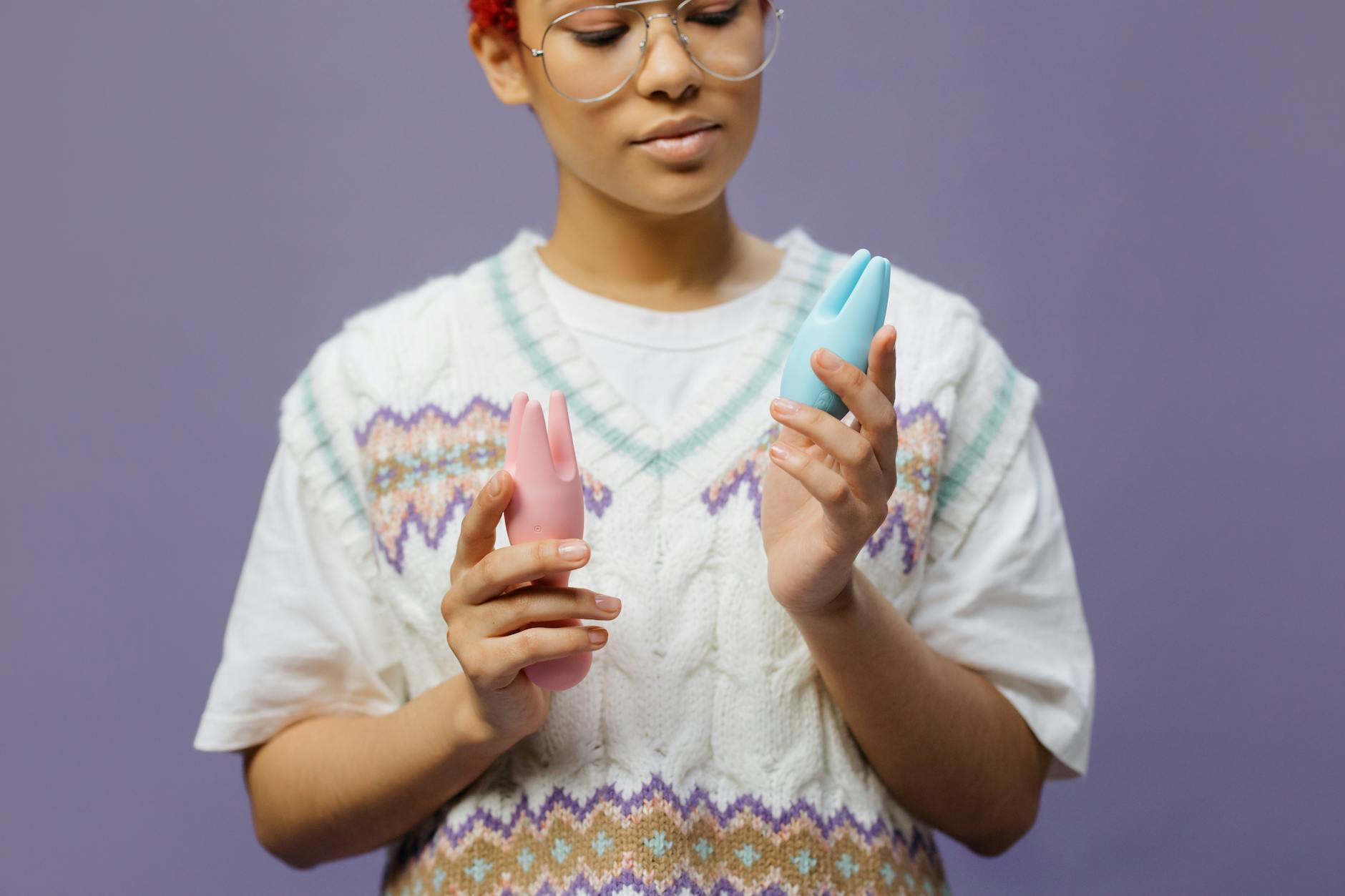
Let's be real. SSRIs save your life. They also often flatten your sex drive into nothing. Between 40 and 60 percent of people on antidepressants report sexual side effects. Desire vanishes. Arousal takes forever. Orgasm becomes optional or impossible. It's not weakness or therapy failure. It's a trade-off baked into how these drugs work.
Here's what nobody tells you: libido loss doesn't mean pleasure loss. Those are different systems. Lemon vibrators specifically work with the neurological pathways that antidepressants don't shut down. If you know how to use them, you can actually bypass the desire bottleneck and get straight to physical sensation.
SSRIs work by increasing serotonin. That's great for mood stability. It's terrible for the dopamine and norepinephrine surges that trigger sexual desire. Your brain literally doesn't get the chemical cue to want sex. You can look at your partner and feel nothing. You can be touched and not care. It's not about attraction. It's neuropharmacology.
But here's the part that changes everything: the physical capacity for pleasure stays intact. Your clitoral nerve endings still work. Your pelvic floor still responds to stimulation. Your brain can still register and process pleasure signals. The gap is in the desire phase, not the execution phase.
That's where a lemon clitoral vibrator becomes useful. Instead of waiting for desire to show up (which might not happen), you can use concentrated stimulation to trigger the physical arousal response directly. You're hacking around the serotonin problem.
This is critical. If you come to a lemon vibrator expecting it to create desire where there is none, you'll be disappointed. That's not what it does. What it does is turn physical sensation into pleasure, which sometimes creates a secondary wave of desire. Sometimes not. Both outcomes are fine.
Start on the lowest setting. Pattern 1 on most Hello Nancy clitoral vibrators. This is not a warm-up. This is where you'll spend the first 5-10 minutes, getting your nervous system accustomed to the sensation. Antidepressant-flattened bodies often have muted sensation anyway. Low intensity is where you'll actually feel something.
Budget 20-30 minutes for a session. Without natural arousal, your body won't rush. Longer isn't always better, but patience is non-negotiable. You're not chasing an orgasm. You're noticing what feels good.
Don't try this when you're depleted. Antidepressants already drain your energy. Add low libido on top of that and you're starting from a deficit. Ideally, use your lemon vibrator when you've already slept well, eaten properly, and aren't mentally juggling three tasks.
Privacy and comfort matter more than usual here. Without the natural push of desire, your brain will notice every distraction. Close the door. Put your phone in another room. Your mental space needs to be as blank as possible.
Some people find that using a vibrator in the morning works better than evening. Morning cortisol is higher, which sometimes gives a small boost to mood and focus. Evening cortisol is lower and your body is tired. Try both and see what your nervous system prefers.
Start with direct clitoral contact on a low setting. The lemon vibrator's suction-based design works well here because it doesn't require the same mechanical pressure as traditional vibrators. The sensation is broader, gentler, and less likely to feel overwhelming on already-depleted nerve endings.
After 5-10 minutes, you might notice a shift. Not necessarily orgasm. Maybe just a warmth, or a slight increase in pelvic blood flow. That's the goal at this stage. You're teaching your body that touch is still valuable even without desire announcing itself first.
If numbness or deadness continues after 15 minutes, stop. This isn't about forcing a response. Use the vibrator twice a week, same time, same setting. Your nervous system adapts to patterns.
Your breath directly affects your nervous system's sexual response. Most people on antidepressants unconsciously hold their breath or breathe shallowly. This makes everything feel more distant and numb.
As you're using your lemon clitoral vibrator, breathe slowly through your mouth. Not deeply, just slowly. Exhale for twice as long as you inhale. This activates your parasympathetic nervous system, which is where arousal and pleasure happen.
This single change often makes the difference between no sensation and noticeable sensation. It's not magic. It's physiology.
Some antidepressants have shorter windows of peak effect. If your particular SSRI has a window where levels are slightly lower, you might time your pleasure practice around that window. Talk to your prescriber. Many doctors are willing to help you find a timing that works.
Other options exist too. Some people benefit from adding a second medication that counteracts sexual side effects. Bupropion sometimes helps. Buspirone sometimes helps. Testosterone can help. These conversations are worth having with your psychiatrist or GP, especially if sex is a core part of your identity or relationship.
Rebuild takes time. You might not see results in week one. Or week four. Antidepressants have been flattening your system for months or years. Reversing that requires consistent, gentle practice.
Success doesn't look like explosive desire or orgasms. Success looks like noticing sensation. Being able to feel touch again. Having a brief moment of pleasure that lasts 30 seconds. Then later, maybe a longer moment. Then maybe, eventually, an orgasm.
If you're in a relationship, talk with your partner about what you're working toward. They might want to understand why you're choosing solo time with a lemon vibrator. Explaining that you're rebuilding a physical capacity that your medication temporarily shut down gives them something to understand instead of something to feel excluded by.
For many people, sexual feeling comes back gradually. First physical sensation. Then pleasure without desire. Then desire without automatic orgasm. Then all of it together. It's not linear.
Some people find that their orgasms feel different on antidepressants even when they do return. That's normal. The medication has changed your neurochemistry. The goal isn't to get back to how it was before. It's to find what pleasure looks like now.
If you're 8-12 weeks into consistent practice and still feeling nothing at all, consider checking in with your doctor. Sometimes the right medication, dose, or timing combination hasn't been found yet. Sexual side effects are a real reason to adjust your treatment plan.
Other approaches exist too. Some people pair vibrator use with therapy specifically focused on sexual response during antidepressant use. Some benefit from mindfulness practices. Some find that their partner's involvement changes the experience entirely.
There's no shame in saying "this particular medication isn't worth the sexual trade-off for me." That's valuable information.
Yes. More medications might mean more pronounced side effects, but the mechanism is the same. Low intensity, longer sessions, patience. If sexual side effects are severe, having that conversation with your prescriber about whether all the medications are necessary is worth it.
Two to six weeks of consistent use, 2-3 times per week. Some people feel something in days. Some take months. It depends on how long you've been on medication, your individual neurology, and whether other factors (stress, relationship issues, body image) are complicating things.
Alone is usually better for rebuilding. You're not performing or managing anyone else's experience. You're purely focusing on what your own body feels. Once sensation returns, partnered use becomes an option if you want it.
Try a lemon vibrator for 5-10 sessions before deciding it's not working. Your nervous system might be too shut down to register sensation immediately. Also check: are you actually relaxed, or are you mentally pushing? Are you breathing? Are you giving yourself enough time? Numbness often lifts once you stop trying so hard.
Not unless you're asking about medication adjustments. But if sexual dysfunction is part of your treatment conversation, mentioning that you're actively trying to rebuild sensation with tools like a lemon vibrator shows your doctor you're invested in solving this. That context can help them recommend the best medication or dose adjustment.
No. It's a tool for rebuilding physical pleasure while you're managing the medication piece. Therapy for anxiety around sex, conversations with your doctor about dose or timing, and sometimes medication changes are also necessary. The vibrator is one part of a bigger picture.
Antidepressants are worth their weight. They get you to stable ground. Once you're there, reclaiming pleasure is possible, but it requires intention and the right tools. A lemon clitoral vibrator is genuinely useful because it gives you direct access to physical sensation without waiting for desire to show up first.
Patience and consistency matter more than intensity or technique. Two 20-minute sessions per week with a lemon vibrator and intentional breathing will do more for you than sporadic frustrated attempts. Your nervous system responds to patterns.
If rebuilding stalls, talk to your doctor. Sexual function is worth optimizing. You might benefit from a medication adjustment, dose timing change, or addition of something that counters the side effect. These conversations are normal and increasingly common as antidepressant use has become more widespread.
Your pleasure matters. Even when your medication is flattening your desire, your capacity for sensation and joy is still there. Finding it again takes patience and the right approach.