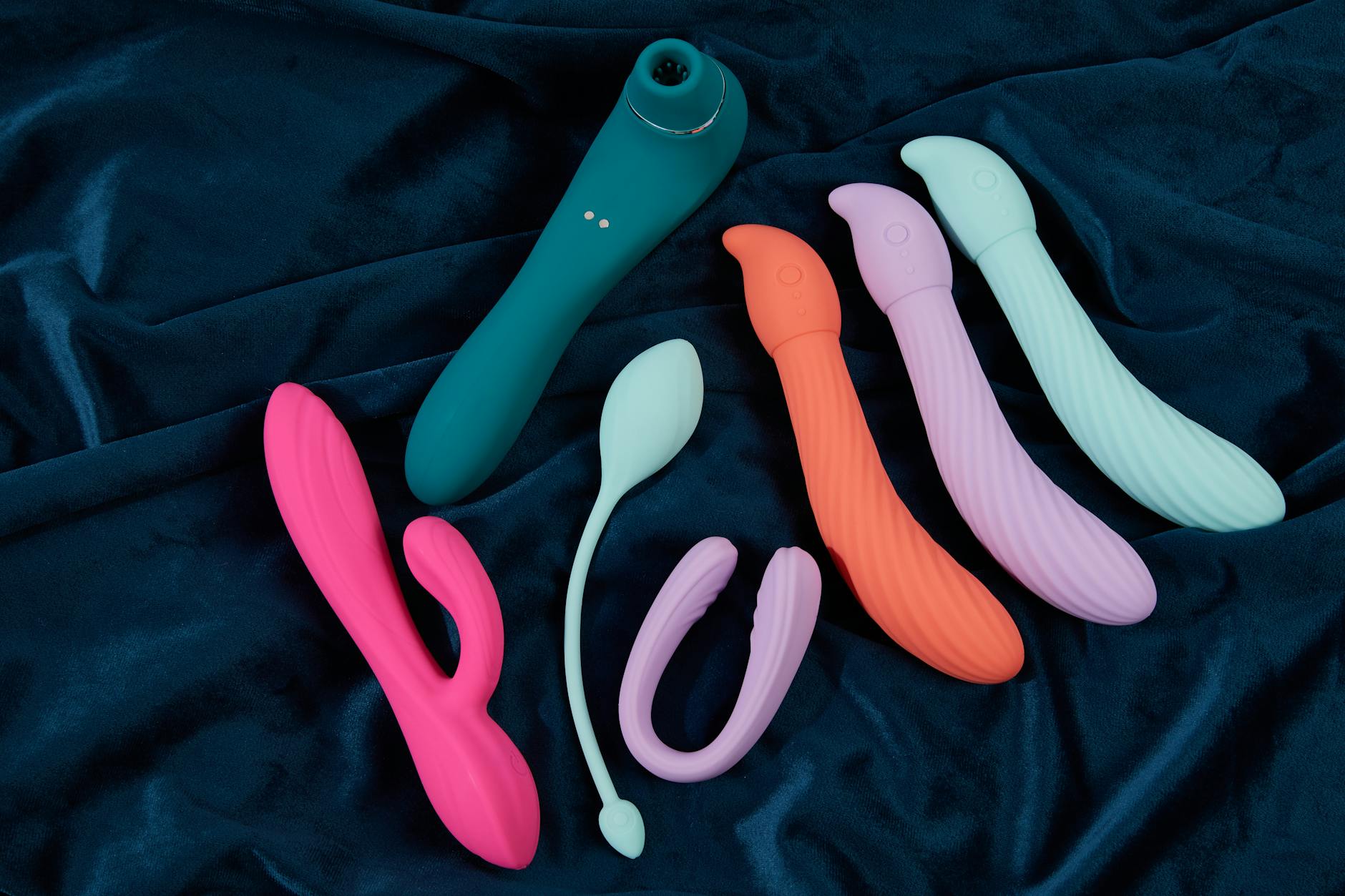
Here's what you're not being told
One partner initiates. The other waits. Over months or years, this rhythm starts to feel less like a dynamic and more like a power imbalance. The initiator feels like they're always asking. The other feels guilt creeping in, mixed with a strange relief that they don't have to think about it. Both feel trapped.
But here's the part nobody mentions: lower initiation rarely means lower desire. It usually means confusion, distraction, anxiety, or a mismatch in how desire shows up in different bodies.
The good news is that lemon vibrators, used thoughtfully as a couple, can short-circuit this entire pattern. Not by solving the relationship, but by removing the performance pressure that's been hiding both of your actual desires.
Why initiation patterns get stuck in the first place
In most long-term relationships, one partner becomes the initiator by accident. Someone moved first early on. That person now carries the weight of asking, reading readiness, managing rejection. The other partner learned they could wait, let it come to them, say yes or no when the moment arrived.
That felt fine for years. Now it doesn't.
What changed isn't desire. What changed is that waiting works only when you're genuinely interested. Over time, waiting becomes passivity. And passivity, repeated across thousands of moments, starts to feel like disinterest. The initiator interprets it that way. The waiting partner feels blamed for something that isn't their fault.
Meanwhile, the waiting partner's actual desire is running on a different circuit entirely. They might respond enthusiastically once things start. But they're not thinking about sex when they're scrolling, working, tired, or just mentally somewhere else. Their desire is reactive, not proactive. That's not broken. But in a relationship where one person is always the first to move, it starts to feel like rejection.
What a lemon clitoral vibrator changes
A lemon vibrator removes the conversation. You don't have to ask. They don't have to interpret a request as an evaluation of them. Instead, you introduce something that exists for solo pleasure first, partnership second.
Here's how it actually works: the person who usually waits uses the lemon vibrator alone. Not as foreplay. Not as a path to partnered sex. Just as their own thing. A 10-minute pleasure break that doesn't require them to think about whether they're in the mood, whether their partner is going to interpret it as permission to initiate, or whether saying yes means they're now obligated.
They get to feel pleasure on their own timeline. That's the entire point.
Once that's normal, once using a lemon sucker for solo pleasure is just part of their routine, the dynamic shifts. Suddenly they're the one who might say, "I'm about to use my vibrator. Want to be here?" Or they might not. The choice itself becomes their power.
The initiating partner, meanwhile, stops having to carry all the weight. They see their partner reclaiming pleasure as a thing they do for themselves, not something that has to be negotiated with them. That takes an enormous pressure off the relationship.
How to introduce it without making it weird
Don't frame it as a fix for low initiation. Don't say, "I got this so you'll want sex more." That's burden-wrapped-in-plastic.
Instead, frame it exactly as it is: a tool for exploring sensation together, or for finding your own rhythm separately. You might say something like, "I picked up a lemon clitoral vibrator because I wanted to explore what feels good for me without the usual back-and-forth. Want to see it? Want to watch? Want to be here?" That's information, not pressure.
Then use it. Without performance, without waiting for their reaction. The person who usually waits gets to see that pleasure exists independently of the relationship machinery. That's genuinely transformative.
The actual mechanics of using it together
If they say yes to being present, don't immediately turn it into partnered sex. That's the old trap rewired. Instead, let them watch you explore your own pleasure. Let them see you trying different settings on a lemon vibrator, finding what works, enjoying it without them.
That 5-15 minute window is where things shift. They see you're not performing for them. You're just... pleased. That changes something in the brain. Watching your partner in genuine pleasure, not trying to seduce them but just experiencing sensation, is weirdly erotic. They don't have to do anything. And often, they'll want to.
If they don't, that's also fine. You got your pleasure. The relationship didn't depend on it.
Once you're both comfortable with that, you can experiment with them using a lemon sucker alongside you. Same room, same time, doing your own thing. This removes the performance entirely. You're not watching them to see if they're into it. You're just both in your own pleasure. Many couples find this is the first time they've been present together without anyone managing anyone else's experience.
When initiation patterns shift naturally
Here's what actually happens: once the waiting partner has solo pleasure normalized, they start initiating. Not because they suddenly want sex more, but because they're no longer locked in the role of responder. They feel ownership over their own pleasure. That changes everything.
I've watched couples report that once lemon clitoral vibrators entered the picture, initiation became more balanced within weeks. Not because someone was forced into a new pattern, but because the person who'd been waiting finally had permission to move first. They had their own erotic thing happening. Sometimes they wanted to share it. Sometimes they didn't. Both felt fine.
The person who used to always initiate, meanwhile, stops carrying the weight of responsibility. You can actually relax into sex instead of managing someone else's comfort. That's when initiation becomes truly mutual. It's not about who goes first. It's about both people knowing they're choosing it.
The conversation you actually need to have
Before you introduce a lemon vibrator, you might want to talk about what low initiation actually means to each of you. Is it rejection? Is it fatigue? Is it distraction? Is it a mismatch in how desire works?
Often, the waiting partner will say something like, "I'm not sure what I want until we start." That's honest. That's also not shameful. Some people's desire is more reactive. That doesn't make them lower desire. It makes them different.
If that's true for your partner, then a lemon clitoral vibrator in the hands of the reactive partner becomes a way for them to find their own proactive desire. They get to experience their body responding without the conversation, the negotiation, the weight of someone else's need.
That's the magic part. It's not solving low initiation. It's removing the shame that was never supposed to be there.
What to expect in the first weeks
Weirdness, probably. A little awkwardness. That's normal. You're introducing something that breaks a pattern that's been in place for years. Your brain will resist.
Stay with it. Use a lemon sucker separately for at least two weeks. Get comfortable with it on your own. Then, casually mention it to your partner. Show them if they want to see. Don't wait for enthusiasm. Just normalize it.
The shift doesn't happen because someone decided to want more sex. It happens because the pressure got so low it became invisible. Once pressure is gone, desire often follows.
When it's not about initiation at all
Sometimes lower initiation is actually about stress, medical changes, depression, or relationship conflict that has nothing to do with sexual desire itself. Before you spend weeks with a lemon clitoral vibrator waiting for things to shift, ask yourself: are there other issues that need attention first?
If your partner is depressed, a vibrator won't fix that. If you're fighting about money or time with in-laws, a vibrator won't fix that either. A lemon vibrator is a tool for rebuilding pleasure and removing performance pressure. It's not a relationship fix. It's a pleasure tool that works best when the relationship itself is stable enough to receive it.
If you're uncertain about where things stand, that's worth a conversation with a couples therapist before you bring in toys. I work with couples on exactly this kind of dynamic, and sometimes the real work is somewhere else entirely.
The ripple effect
What I've seen most often is this: once one partner reclaims solo pleasure as normal and regular, and once the other partner stops carrying all the responsibility for initiating sex, the relationship itself changes. Not because desire increased, but because the emotional weight decreased.
You can both want sex and both initiate it less often. That's fine. You can have lower overall sexual frequency and have it feel richer and more mutual. That's also fine. The real goal isn't more sex. It's pleasure that feels good for both of you, without resentment attached.
A lemon vibrator happens to be one of the cleaner ways to get there. It's not the only way. But it works because it's honest. It doesn't hide anything. It says, plainly, that pleasure is something both people deserve to experience, alone and together, without managing each other's feelings about it.
People also ask
Will using a vibrator make my partner feel replaced?
Possibly, if you frame it that way. If you say, "I got this because you don't initiate enough," then yes, they'll feel replaced and blamed. Instead, frame it as independent pleasure. "I wanted to explore my own sensation. Want to be part of that?" That's invitation, not replacement. Most partners feel relieved when the pressure to be someone's sole source of pleasure lifts. They get to relax too.
How often should we use a lemon clitoral vibrator together?
There's no frequency that's "right." Some couples find they enjoy partnered vibrator use once or twice a week. Others prefer using them separately. The point isn't the schedule. It's that using a lemon vibrator together becomes an option that feels pressure-free. You might use it together once and then separately for months. That's normal.
What if my partner refuses to engage with a vibrator at all?
Then you use it solo. Your pleasure isn't contingent on their participation. If you want to use a lemon sucker for your own sensation, that's your right. Many partners who initially refuse become curious once they see it's not a referendum on them. But if they never become curious, that's also their right. You still get the benefit of regular, independent pleasure.
Can a lemon vibrator fix a dead bedroom?
No. A dead bedroom usually involves deeper issues around stress, resentment, health changes, or fundamental incompatibility. A lemon clitoral vibrator can remove performance pressure, which might help. But if the bedroom is dead because you're not talking or you're angry, the vibrator won't fix that. That's therapy work, not toy work. Do both if you need both.
How do I know if my partner's low initiation is actually low desire or something else?
Ask them. Not "Why don't you want sex as much?" That's accusatory. Instead, "How does desire show up for you? What makes you want to have sex?" Listen for patterns. Do they respond quickly when sex starts? Are they distracted when you try to initiate? Are they tired, stressed, or dealing with medication side effects? Low initiation has many causes. Figuring out yours is the first step.
If we start using a lemon vibrator together, will it become the only way we have sex?
Sometimes, yes. And that's fine if it works for both of you. More often, a vibrator becomes one tool in a larger toolkit. Some people find that once they use one, they integrate it regularly. Others use them occasionally. What matters is that it doesn't become the only acceptable way. Keep partnered sex without toys as an option too.
What happens next
If you're here because you're the one who always initiates, you deserve to know: your partner's hesitation isn't about you. And neither is the solution. The solution is removing the conditions that made initiation feel like a burden in the first place.
If you're the one who waits to be asked, a lemon clitoral vibrator in your hands is permission you don't have to ask for. Use it. Feel it. Enjoy it. Your pleasure matters separately from your partner's.
Neither of you is broken. The dynamic just needs air. A lemon vibrator, used without shame or performance, can be exactly that. If you want to explore this conversation further with someone trained in couples dynamics, I'm here to help. Reach out at /contact to learn more.