Here's what nobody tells you about slow arousal
Your body takes longer to respond to touch. That's not a defect. It's not something to fix or work around. But using a lemon vibrator when your arousal curve is gentler than it used to be requires a completely different approach than what works for people who warm up fast.
I work with couples where one partner's arousal has slowed down. The pattern is always the same: frustration builds because they're comparing their current timeline to an old baseline, and the lemon clitoral vibrator gets blamed for not "working" when really, the strategy was never going to fit.
Why your body's response changed
There are five main culprits. Sometimes it's one. Usually it's a combination.
Hormonal changes. Estrogen and testosterone both affect blood flow to the clitoris and how quickly nerve endings fire. When either drops, the body simply needs more time to reach the same arousal state. This is common in perimenopause, postpartum, during certain medication cycles, and sometimes just aging. It's not permanent, but it's real.
Vascular changes. The blood vessels that deliver arousal literally work differently as we get older. Erections and clitoral engorgement take longer. A lemon vibrator can compensate for this, but only if you're using it with the right expectations about timing.
Neurological shifts. Your central nervous system responds to chronic stress, burnout, depression, and anxiety by dampening arousal signals. Your body isn't broken. It's protecting you. Once you understand that, the approach changes completely.
Partner mismatch. If your partner's arousal is fast and yours has slowed, the gap between you grows. Most couples blame the person who slowed down. The real issue is they're trying to use the same foreplay template for two completely different bodies.
Disconnection from your own body. When we spend years not paying attention to our physical sensation, the neural pathways for pleasure get quieter. You're not numb. You're just out of practice.
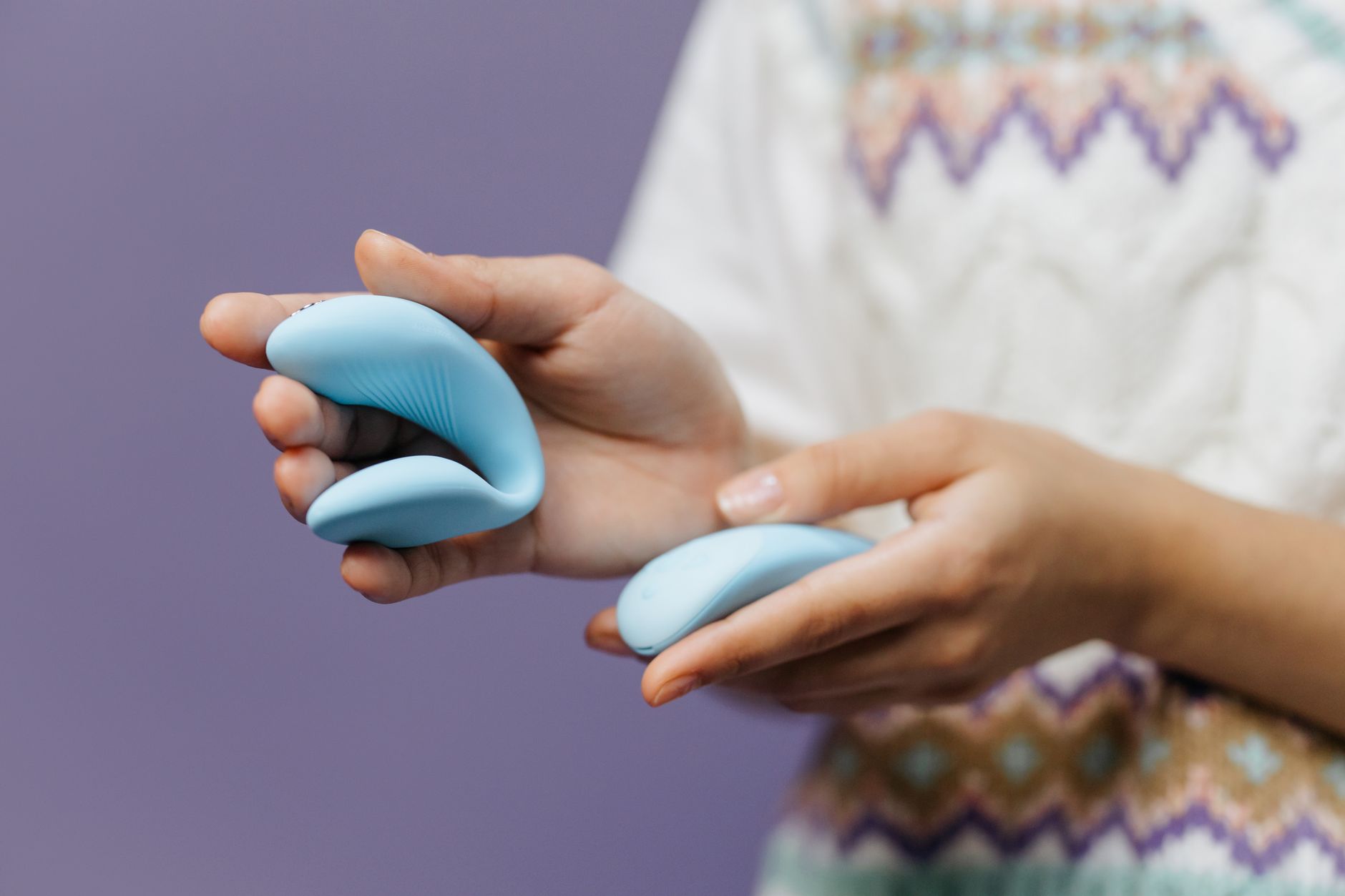
Photo by cottonbro studio on Pexels
The lemon vibrator advantage for slow arousal
A lemon clitoral vibrator works differently than traditional vibrators because it uses suction and gentle pulsing instead of direct vibration. For bodies with slower arousal response, this matters enormously.
Here's why. Direct vibration requires a certain level of baseline arousal to feel good. If you're starting from a less-engorged state, high-intensity vibration can feel jarring or numbing. Lemon suction works with your body's natural engorgement process instead of fighting it. It builds arousal gradually, which matches how slow-responding bodies actually work.
The pulsing rhythm of a lem vibrator mimics the body's own arousal pattern. It doesn't override your timeline. It syncs with it. This is why so many people with slow arousal report that clitoral vibrators feel better than they expected.
The timing strategy that actually works
Forget the 5-minute warm-up. Forget the escalation ladder that worked when you were 25. Here's what slow arousal needs.
Start earlier, go slower. Begin foreplay 30 to 45 minutes before you want penetration or intensity. This isn't a burden. This is just honoring your body's actual timeline. Many people find that extending foreplay makes the entire experience richer, not longer.
Use the lemon vibrator on low settings first. Start at pattern 1 or 2. Don't jump to what feels good in five minutes. Let your body build arousal gradually. You're not trying to get to orgasm fast. You're trying to wake up your nervous system.
Apply it indirectly at first. Instead of direct clitoral contact, use the lemon vibrator over underwear or with a thin cloth barrier. This reduces intensity and lets you feel the pulsing sensation without overwhelming your arousal process. Many people find this step completely changes their relationship to the toy.
Spend 10 to 15 minutes just exploring. Not trying to orgasm. Just noticing where sensation builds, where it feels good, where it feels numb or distant. This reconnection is often more important than the orgasm itself.
Add movement. Slow arousal responds better to motion than stillness. Move your hips, shift your weight, change positions. The lemon vibrator isn't doing all the work. Your body is.
The mental piece (which changes everything)
Here's what I see most often: people with slow arousal spend the entire process frustrated that it's taking so long. That frustration shuts down arousal further. It's a vicious cycle.
The fix isn't willpower. It's perspective.
Your slow arousal isn't a problem to overcome. It's an invitation to depth. When you slow down, you notice things. You feel texture and rhythm and subtle shifts in sensation. People with fast arousal miss most of that. They're already at the finish line.
Tell yourself: "My body takes time. That's information, not failure." Then actually believe it. Stop checking the clock. Stop comparing to how you used to be or how your partner responds. You're not behind. You're just different.
Photo by cottonbro studio on Pexels
When slow arousal means you need more physical space
If you're partnered, communicate about this directly. "I need 40 minutes, not 10" is a complete sentence. It's not a rejection. It's a requirement. Your partner knowing this in advance changes everything.
Some partners feel hurt or take it personally. That's their response to work through, not something you need to fix by speeding up your body. You cannot negotiate arousal. You can only be honest about what it needs.
Troubleshooting: When the lemon vibrator still doesn't feel right
If you're using it correctly and it still feels distant or numb, several things might be happening.
First, check your stress level. Chronic stress literally shrinks the part of your brain responsible for pleasure. You can use the best lemon clitoral vibrator ever made and still feel nothing if your nervous system is in fight-or-flight mode. Address the stress first. The vibrator will work better later.
Second, consider whether medication is involved. Certain SSRIs and blood pressure meds genuinely reduce arousal response. Talk to your doctor. Sometimes switching the timing of when you take it helps. Sometimes a different medication is better. Don't just accept reduced sensation as a side effect you have to live with.
Third, make sure you're actually giving yourself permission to feel good. This sounds simple. It's not. If you grew up in an environment where pleasure was shameful or risky, your body learns to shut that down. A lemon vibrator won't override that programming. Therapy, journaling, or talking with a partner about rebuilding pleasure after sexual trauma sometimes needs to come first.
The longer-term pattern
Here's what happens with most people who commit to using a lemon vibrator with their actual arousal timeline: after three to four weeks of consistent practice, arousal starts building faster. Not overnight. But noticeably. Your body remembers how to respond when you stop fighting it.
This is neuroplasticity. The more you practice slow arousal with the right tools and patience, the more your brain and body rewire toward pleasure. You're not speeding yourself up. You're teaching your body that sensation is safe and worth paying attention to.
Many people find that when arousal comes slowly with age, a lemon vibrator becomes less of an accessory and more of a conversation starter with their own body. That's the actual win.
Questions people ask about slow arousal and lemon vibrators
Will my arousal ever speed up again?
Maybe. It depends on the cause. If it's stress or disconnection, yes, often dramatically. If it's hormonal, it might, or you might find that slow arousal becomes your new normal and you like it better. If it's medication-related, sometimes switching helps. The point is: slow doesn't mean permanent or broken.
Does my partner need to understand this, or can I just handle it on my own?
Both matter. You can absolutely use a lemon clitoral vibrator solo and reconnect with your arousal privately. That's valuable. But if you're partnered, they need to understand the timeline. Otherwise they'll interpret slow arousal as lack of desire for them, and that creates unnecessary distance.
How long should I actually spend with a lemon vibrator before expecting results?
Give it four weeks of consistent use before you decide it's not working. That means at least 3 to 4 times a week, using the strategies we discussed. Your nervous system needs time to learn that pleasure is available again.
Is slow arousal a sign something is medically wrong?
Not necessarily. But it's worth checking in with a doctor to rule out thyroid issues, anemia, blood pressure changes, or medication side effects. Sometimes slow arousal is just how your body is wired. Sometimes it's a flag worth investigating.
Can I combine a lemon vibrator with other things to speed arousal up?
Yes. Kegel exercises strengthen the pelvic floor and improve blood flow. Mindfulness or meditation quiets the nervous system chatter that blocks arousal. Longer foreplay, good communication with partners, and reducing stress all help. But the lemon vibrator itself is already doing the heavy lifting.
What if slow arousal means I never want to have sex at all?
That's a different conversation, and it's worth having with a therapist. Slow arousal is about timing. No desire is about something else entirely. Don't confuse the two. If desire itself has disappeared, that's worth exploring separately.
The actual point
Slow arousal isn't a limitation you need to overcome with the right technique or the best lemon vibrator on the market. It's information about how your particular body works. When you use a lemon clitoral vibrator as a tool to listen to that information instead of fighting it, everything shifts. You stop racing toward orgasm and start noticing sensation. You stop blaming your body and start trusting it. That's where pleasure actually lives.