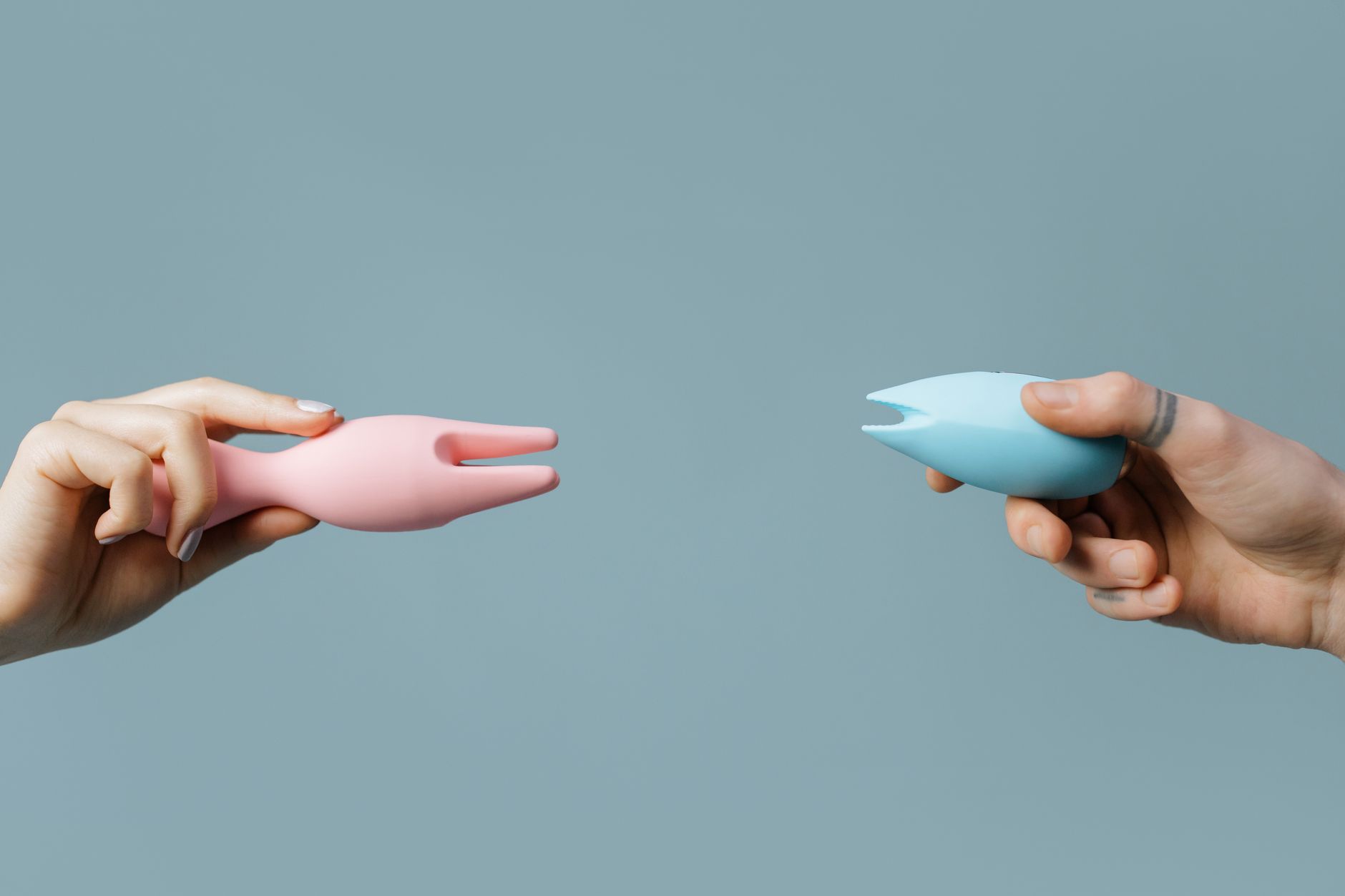
Let's start with the hard truth: pain during sex is telling you something, and ignoring it doesn't make it go away. It also doesn't mean your body is broken or that pleasure is permanently off limits. What it means is that your nervous system is protecting you, and right now, trust between you and sensation has fractured.
That's where a lemon vibrator can actually help. Not as a magic fix, but as a tool to help you rewire the connection between touch and safety. If you're dealing with pain during sex, you've probably heard the clinical term: dyspareunia. But here's what matters more than the label. Your body learned that penetration, or certain kinds of touch, signal danger. A lemon clitoral vibrator works differently. It's external, it's completely in your control, and it operates at a frequency that can help your nervous system remember what pleasure actually feels like.
Why pain during sex changes how your body responds
When penetrative sex has been painful, your pelvic floor muscles tighten preemptively. This is a reflex, not a choice. Your body is bracing for harm. Over time, that tension becomes the default state. Your nervous system stays activated, which makes arousal harder to reach and easier to lose. The irony is brutal: the tighter you get, the more painful sex becomes, which makes you tighten more.
A lemon clitoral vibrator interrupts that cycle by offering sensation without the threat. The suction mechanism works on nerve endings that are wired directly to your brain's pleasure centers, bypassing the areas that have learned to panic. You're not fighting through pain. You're actively teaching your body that touch can feel good again.
Starting from zero with a lemon vibrator after pain
If sex has been painful, your first session with a lemon vibrator should look nothing like what you think it should look like. No goals. No performance. No pressure to orgasm or even get aroused. This is a listening session.
Start clothed. Yes, still clothed. Hold the lemon vibrator, turn it on the lowest setting (usually setting 1 or 2 on models from Hello Nancy's Lems), and just feel it in your hands. Notice the vibration. Notice your breath. If that feels fine after a minute, place it over your outer thigh or forearm, still clothed. You're asking your nervous system a simple question: does this feel safe?
If the answer is yes, repeat that same step tomorrow. Day three, you might move it slightly higher on your inner thigh. Still clothed. This isn't slow. This is deliberate. You're literally retraining your body to associate external vibration with safety instead of threat.
Most people need three to five days of these micro-sessions before they're ready to move to skin contact. That's not slow. That's wise.
The clitoral pathway: why external vibration bypasses pelvic tension
Here's the neurobiology that matters. Your clitoris has about 8,000 nerve endings concentrated in a space smaller than a pea. Those nerves run on a completely separate circuit from the nerves that trigger pelvic floor tension during penetration. When you use a lemon vibrator focused solely on clitoral stimulation, you're activating pleasure pathways that don't intersect with the pain memory.
The suction mechanism of a lemon clitoral vibrator is particularly useful here because it doesn't require the same direct friction that can feel overwhelming if you're hypervigilant about sensation. Suction stimulates without pressure. For people recovering from pain during sex, this distinction is significant.
When to introduce sensation over the vulva
Once you're comfortable with clothed stimulation and external vibration feels genuinely neutral or pleasurable, you're ready to move skin-to-skin. But move carefully. Use a water-based lubricant generously. There is no such thing as too much lubrication when you're retraining your body to trust sensation.
Start with the vibrator on the outer labia, not directly on the clitoris. Let your nervous system adjust to direct contact. Spend at least two to three sessions here before moving to the clitoral hood. This might sound excessive. It's not. You're reversing months or years of learned protection. Speed defeats the purpose.
The lemon vibrator's design actually helps with this graduated approach. The rounded shape lets you control exactly where the suction sits. You're not fighting a powerful straight vibration. You're in charge.
Breathing and arousal: the overlooked part
Pain during sex often trains people to hold their breath. Shallow breathing keeps you in a protective state. When you're using a lemon vibrator, intentional breathing is the difference between sensation feeling like pressure and sensation feeling like pleasure.
Three to four minutes into a session, bring your attention to your breath. Deeper breaths signal your nervous system that you're safe. Count: in for four, out for six. This isn't meditation. It's literally telling your body that threat has passed. As your breath deepens, arousal often follows.
If at any point during a lemon vibrator session you feel tension rising or sensation shifting toward discomfort, stop. Drop the intensity. Go back to clothed stimulation if you need to. There is no failure here. You're learning your own signals.
Building toward clitoral pleasure without obligation
Once you're comfortable with direct clitoral stimulation using your lemon vibrator at low settings, you might start noticing that arousal feels different. Less painful doesn't mean you immediately feel great. Often it means you feel... neutral. That's progress. Neutral means your nervous system isn't screaming a warning.
Arouse yourself this way two to three times weekly, no agenda. Your body doesn't know the difference between arousal that leads to orgasm and arousal that just feels good. You're rewiring the association between touch and safety. That's the whole point.
Some people find that after weeks of this, pleasure starts returning naturally. Some need additional support. Both are completely normal.
When pain during sex means you need a doctor, not just a lemon vibrator
Here's what I need to be direct about: if pain during sex is new, sudden, or accompanied by bleeding, discharge, or other physical symptoms, see a gynecologist before using a lemon vibrator. Pain during sex can signal endometriosis, pelvic inflammatory disease, vaginismus, or vulvodynia. These are treatable conditions. A lemon clitoral vibrator is a tool for rebuilding confidence after pain, not a first-line treatment for pain itself.
If you've already been evaluated and no physical pathology was found, a lemon vibrator makes sense as part of your recovery toolkit. If pain is psychological (trauma, anxiety, or learned fear), this graduated approach actually works remarkably well. If it's physical, you need medical support first.
Working with a partner while you're rebuilding
This is tricky. If you have a partner, they're probably confused, scared, or blaming themselves. None of this is productive. The conversation to have is not "sex hurts" but "my nervous system is learning to trust sensation again, and I need to do that solo first." That might sound clinical. It's actually the kindest thing you can say because it removes shame and replaces it with clarity.
When you're ready to be intimate with a partner again, start with non-penetrative touch. They can watch you use your lemon vibrator. This does two things: it shows them what pleasure looks like for you right now, and it reminds your nervous system that partner presence and pleasure can coexist.
Most people who've dealt with pain during sex eventually rebuild satisfying sex lives. The path usually requires patience, often requires professional support, and almost always requires tools that help you stay in control. A lemon clitoral vibrator is one of the best ones available.
FAQ: Pain, Pleasure, and Lemon Vibrators
Can I use a lemon vibrator if penetration hurts but I want to have sex with my partner?
Yes, but timing matters. Use your lemon vibrator solo for at least two to three weeks before attempting partnered sex. Your nervous system needs to relearn that touch equals safety. Once you can reliably find pleasure or at least comfort solo, partnered touch becomes easier to navigate. When you do return to penetration, communicate constantly and stop immediately if pain returns.
What if my lemon vibrator feels too intense even on the lowest setting?
Start over the vulva while fully clothed. Yes, through underwear. Let the vibration reach you indirectly. There's no timeline. Some people need a week of clothed stimulation before skin contact feels manageable. Your lemon vibrator has a range of intensities for exactly this reason. You're not broken if you need the lowest setting for an extended period.
Does using a lemon clitoral vibrator mean I'll lose sensitivity to a partner's touch?
No. In fact, the opposite often happens. By rebuilding pleasure pathways solo, you're actually increasing your capacity to feel sensation with a partner. The lemon vibrator is a bridge, not a replacement. Once your nervous system trusts that touch is safe, partner intimacy often feels richer because you're no longer braced against pain.
How long does it usually take before pain during sex gets better?
That depends entirely on the root cause and your nervous system's timeline. If pain is trauma-related, expect four to eight weeks minimum of consistent solo exploration with your lemon vibrator before penetrative sex feels safe. If pain is physical (endometriosis, pelvic floor dysfunction), medical treatment plus nervous system retraining usually takes eight to twelve weeks. Be patient with your own timeline.
Should I tell my partner I'm using a lemon vibrator to deal with pain during sex?
That's your call. Some people find it helpful to name what's happening: "I'm using a tool to help my body remember that touch can feel good." Other people prefer privacy during this relearning phase. Both are valid. If you're partnered long-term, transparency usually serves you better. It removes the shame and invites them into your healing rather than leaving them confused.
Can a lemon vibrator cure vaginismus or vulvodynia?
No. But it can be part of the toolkit. Vaginismus is a reflex where pelvic floor muscles involuntarily contract, and vulvodynia is chronic pain without an obvious physical cause. Both benefit from specialized physical therapy, sometimes medication, and absolutely from tools that help you reclaim pleasure. A lemon clitoral vibrator helps with the pleasure part. Medical professionals handle the rest.