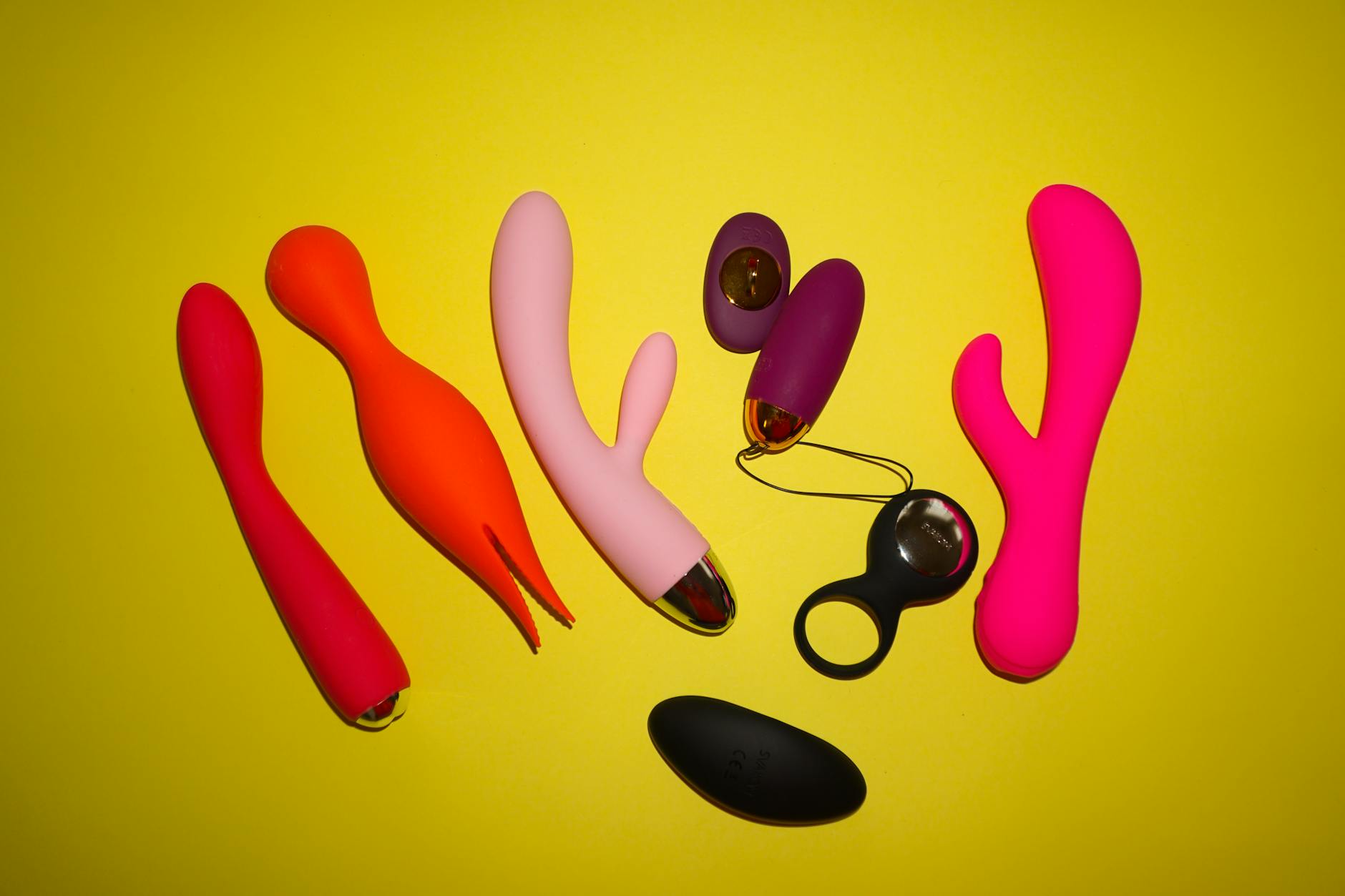
Let's be honest about what happened
Years of low desire feels like you've lost something essential. The truth? You haven't lost it. You've stored it. There's a difference, and it matters because one is permanent and the other is just waiting for the right conditions to wake up.
Low desire happens for reasons. Stress, kids, work, a relationship that felt safer than passionate, medication, burnout, or just the slow fade that happens when nobody's tending the fire. By the time you notice it's gone quiet, it doesn't feel like a phase anymore. It feels like your baseline. Like maybe this is just who you are now.
It's not. And getting it back is far more possible than you think.
Why lemon vibrators work specifically for this
When you've spent years in low-desire mode, your body has learned to stay quiet during sex. Your nervous system has decided intimacy is safe but not exciting. Your clitoris has adapted to minimal stimulation because minimal stimulation is what you've been giving it.
A lemon vibrator, also called a lem sucker or air-suction clitoral vibrator, works differently than traditional vibration. Instead of buzzing against your skin, it creates gentle rhythmic suction that stimulates a larger area of nerves at once. That matters because it bypasses the learned patterns your body has settled into.
Your clitoris has about 8,000 nerve endings. Traditional vibrators usually hit a concentrated area. A lemon sucker engages the broader tissue, which means your nervous system gets a different signal. It's not the dull buzz you might have stopped responding to. It's novelty. And novelty is literally what your desire is waiting for.
That's also why lemon vibrators feel gentler even though they're more effective. You're not forcing stimulation onto tissue that's tired. You're inviting a response from a wider network of nerves using a pattern your body hasn't already numbed out to.
The psychology of dormant desire
Here's what I see in my practice constantly: desire doesn't leave because the person is broken. It leaves because somewhere along the way, pleasure became lower priority than managing everything else. And then, because nobody reminded your body that pleasure mattered, it stopped bothering to show up.
If you've spent five years in a relationship where sex happened but wasn't really wanted, your body learned to check out during it. If you've been stressed or depressed, your brain downregulated the whole system to conserve energy. If you had a partner who wasn't interested, you eventually stopped initiating because rejection is exhausting and your body protected you from it.
This isn't a desire problem. This is a nervous system that's been taught to stay safe.
Reconnecting means gently showing your body that pleasure is safe again. Not just safe. Worth prioritizing. Worth your time and attention.
How to start using a lemon vibrator when you've been in low-desire mode
First: solo, not partnered. I know that might feel uncomfortable, but it matters. When you're rebuilding desire, you need to do it in exactly the conditions you choose, at exactly the pace your body wants. A partner, even a well-meaning one, adds invisible pressure. So does the obligation to reciprocate or perform.
Start with your lemon vibrator in bed by yourself, clothes on, no goal. That sounds strange because we think pleasure means removal of clothes and orgasm, but for someone in low-desire recovery, the goal is just noticing sensation. Letting your body remember that touch can feel good without it being about anything.
Turn it on at the lowest setting and hold it against the fabric over your clitoris. You're not trying for anything. You're just letting your nervous system register: "Oh, this exists. This is available to me." Do this for five minutes. That's it.
Second session: same thing, but maybe you're comfortable removing underwear. Or maybe not. Whatever feels right. Add a minute or two if it's pleasant.
Third session and beyond: start noticing what actually feels good. Not what should feel good. Not what felt good five years ago. What feels good right now, in this moment, with your specific nervous system in its current state.
If nothing feels good yet, that's normal. Your body might take a few weeks to remember that sensation can be pleasurable. You're essentially retraining your nervous system to recognize pleasure as a signal instead of tuning it out.
What changes when you start feeling it again
Desire often returns as curiosity before it returns as passion. You might notice yourself thinking about sensation during the day. Or wondering what a different setting would feel like. Or being slightly less irritated when your partner tries to initiate because you've remembered that pleasure is actually something you want.
That shift. That's desire starting to wake up.
From there, the process is slow and nonlinear. Some weeks you'll feel more interested in exploring. Some weeks you'll feel nothing. Both are fine. You're not trying to get to some fixed destination called "normal libido." You're learning what pleasure feels like in your specific body, right now, at this stage of your life.
When to bring your partner in
Once you've spent a few weeks exploring solo and you're noticing genuine sensation (not forced sensation, actual enjoyment), you can consider including your partner. But only if you're genuinely interested. Not because you feel you should. Not because you feel guilty. Only if you actually want to.
When you do, tell them what you've been doing. Not as a confession. As an invitation. "I've been working on reconnecting with my body. I'd like to explore together." If your partner reacts with anything other than curiosity or enthusiasm, that's information worth having about your relationship. You might want to talk to a couples therapist before bringing the lemon vibrator into shared space.
If your partner is genuinely interested, here's what helps: they hold the lemon vibrator, but you control the intensity and pace. You guide their hand. You say what feels good and what doesn't. This keeps the experience about your pleasure, not about them performing or proving anything.
Many couples find that reintroducing desire this way actually strengthens the relationship because it requires communication and attention in a way that sex after years of low desire usually doesn't.
The timeline nobody tells you about
Rebuild desire usually takes somewhere between four weeks and four months to show real results. Not because you're broken or slow. Because you're training your nervous system to recognize pleasure again after it's spent years in quiet mode.
Some of you will feel results in two weeks. Some will take six months. Both are normal. Hormones, stress, relationship dynamics, past sexual experiences, trauma, medication, and just your individual neurobiology all affect the timeline.
Don't measure yourself against anyone else's. Don't assume if something doesn't happen in week three that it won't happen. Just keep going. Your body will tell you when something is starting to shift.
The part about expectations
Low desire usually isn't actually about low capacity for pleasure. It's about low permission to pursue it. You've gotten used to putting yourself last. You've gotten used to feeling obligated instead of interested. You've gotten used to sex being something that happens to you instead of something you actively choose.
A lemon vibrator can't fix any of that directly. But it gives you a tool to start choosing pleasure again. To give yourself permission to explore sensation without needing anyone else's participation or approval. To remember that you deserve to feel good.
The desire comes back when you decide you're worth that investment. The vibrator just makes the investment feel less scary and more effective.
FAQ
Can I use a lemon vibrator if I've had zero desire for years?
Absolutely. In fact, the longer you've had low desire, the more fresh sensation from a lemon vibrator will feel genuinely different to your nervous system. Start at the lowest setting and give yourself permission to feel nothing at first. Your body might need a few weeks just to remember that sensation can be pleasant.
Will my partner feel insecure if I use a lemon vibrator when I haven't wanted sex with them?
That depends on how you frame it. If you present it as "something is wrong with you," they'll feel rejected. If you frame it as "I want to reconnect with my own body so I can be more present with you," most partners respond well. Communication matters more than the vibrator itself. If you're worried about their reaction, that might be pointing to a relationship issue worth talking through.
How long does it take to feel something with a lemon vibrator if you've had no desire?
You'll feel the physical sensation immediately (it's pressed against your skin). Pleasure or arousal might take weeks. That's normal. You're not broken. Your nervous system is just recalibrating. Keep going.
Can I use a lemon vibrator if I'm on antidepressants that lower desire?
Yes. A lemon vibrator works by engaging different neural pathways than traditional vibrators, which can help bypass some numbness from medication. That said, if medication is genuinely killing your desire, talk to your prescriber about dosage or timing adjustments. The vibrator helps, but it's not a substitute for medical conversation.
What if I feel guilty using a lemon vibrator when my partner would prefer I didn't?
That's worth examining. Pleasure isn't selfish. It's necessary. If someone in your life is trying to prevent you from exploring your own body, that's a relationship pattern worth addressing, ideally with a couples therapist. You get to have pleasure even if your partner doesn't want to be involved.
How is a lemon vibrator different from regular vibrators for someone rebuilding desire?
Regular vibrators typically use buzz patterns that your nervous system might have already numbed to, especially if you've had low desire for years. A lemon sucker uses gentle suction instead, which stimulates a broader area of tissue and can feel novel and different to a body that's been dormant. That novelty is part of what helps wake desire back up.
You're not starting from zero
The desire you had years ago still exists somewhere in your neural wiring. It's not gone. It's just quiet. And quiet things wake up once you create the right conditions and give them consistent, patient attention.
A lemon vibrator is one tool for doing that. But the bigger tool is you deciding that reconnecting with your pleasure matters. That you're worth that attention. That your desire deserves to exist even if for a long time it didn't feel safe to want things.
That choice comes first. The vibrator just makes the process feel more possible and a lot less lonely.