Let's be real about the shame message
There's a particular kind of damage that happens when someone you trust tells you that wanting a vibrator means something is wrong with you. Not "I'm not comfortable with that," which is honest. But "You wouldn't need that if I was enough" or "Real women don't need toys" or the classic dismissal: "That's weird."
If that happened to you, you internalized a message that wasn't just about toys. It was about your body being too much, too demanding, too difficult to please. And now, even if that relationship is over, that voice is still there when you think about picking up a lemon vibrator or any clitoral vibrator for the first time in years.
I'm going to give you permission your past partner didn't: your pleasure is valid. Full stop. A vibrator isn't a backup plan for a bad partner. It's not a crutch. It's a tool that works for millions of people because clitoral stimulation, when it's the right intensity and the right pattern, feels incredible.
The actual science behind that shame
Here's what your ex probably didn't understand (and wouldn't have benefited from hearing): the clitoris has eight thousand nerve endings. Eight. Thousand. A human hand can't replicate the specific pressure patterns that a quality vibrator creates.
This isn't a criticism of partners. It's just physics. A lemon vibrator or other high-quality clitoral vibrator uses air-suction or precise vibration to activate those nerves in ways that aren't possible through manual stimulation alone. That's not a character flaw on either side of the equation. It's just how bodies work.
When someone told you that you shouldn't need a toy, they were essentially asking you to ignore eight thousand nerve endings and pretend your body works differently than it does. That's like asking someone to feel satisfied without tasting their food. The neurology doesn't cooperate.
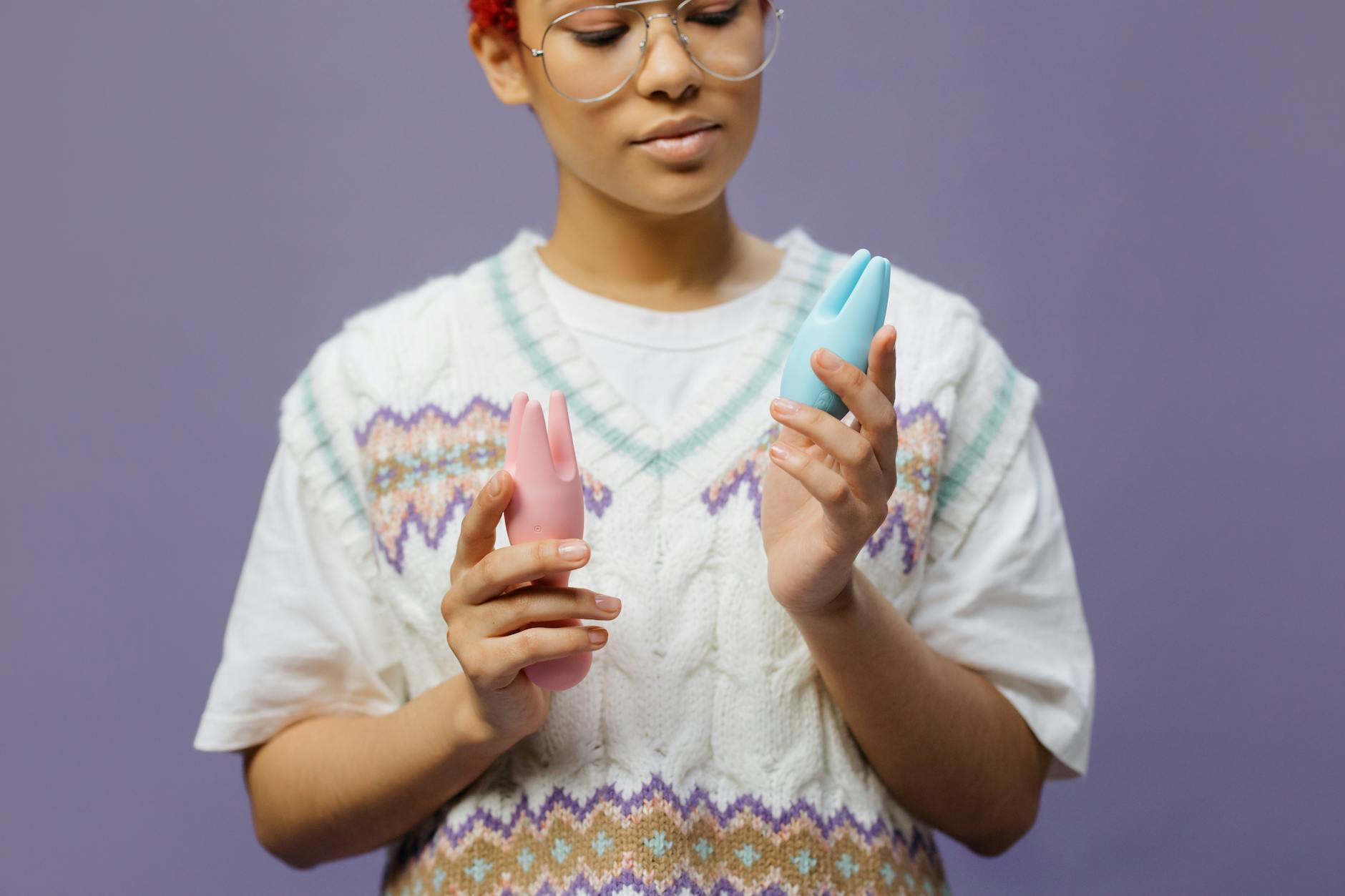
Photo by cottonbro studio on Pexels
Why the shame stuck around
Three reasons this message has staying power:
1. It's about control. When someone tells you not to want something, they're often protecting their own ego or their grip on the relationship. The discomfort isn't actually about the vibrator. It's about feeling less central to your pleasure. That's a real emotion, but it's theirs to work through, not yours to carry.
2. It contradicts what you might have experienced. If you used a vibrator before and it felt amazing, being told it shouldn't matter creates cognitive dissonance. You end up doubting your own body's feedback. That's a form of gaslighting, even if it wasn't intentional.
3. It gets tangled with broader intimacy problems. If the relationship had deeper issues, the "no toys" rule became a stand-in for all of it. So using a vibrator now feels like it's admitting something was broken then. It's not. Sometimes the sex was fine and the rest wasn't. Sometimes the sex could have been better and that's not a character judgment.
Starting over with a lemon vibrator
If you're ready to explore again, here's how to move past the shame and actually enjoy it.
Pick something that feels like yours. The beauty of lemon vibrators and other clitoral vibrators from Hello Nancy's Lems is that they're designed without apology. They're not disguised as lipstick or jewelry. They're not pretending to be something else. That directness is part of the reclamation. You're saying: "I want pleasure. I'm not hiding it."
Start with the lowest setting. This does two things. First, it lets your body adjust without overwhelming the nervous system. Second, it proves to that old voice in your head that you're in control here. You're not being carried away by some wild impulse. You're making a choice, setting boundaries, and adjusting as you go.
Use it alone first. This is crucial. Your first experience back shouldn't include anyone else's comfort, opinions, or presence. This is about rebuilding your relationship with your own pleasure. Solo exploration gives you space to learn what you like without performing or managing anyone else's feelings.
Name what you notice. After you use it, sit with what happened. Did it feel good? Where? What pattern worked? What surprised you? This isn't therapy; it's data collection. You're rebuilding trust with your own body's signals.
If you want to involve a partner down the line
That's a different conversation than where you are now. But when and if that time comes, here's what matters: a partner who cares about your pleasure will want you to have the best possible experience. That might include a lemon vibrator, a clitoral vibrator, or just their hands. The tool doesn't matter as much as the commitment to your pleasure mattering.
If you do introduce a vibrator to a new partner and they react with dismissal, that's important information. It tells you they prioritize their ego over your satisfaction. You now know what that looks like, and you get to decide if that's someone you want in your life.
The bigger permission you're actually asking for
Using a vibrator isn't really about the vibrator. It's about deciding that your pleasure is worth advocating for. That your body's design is not a problem to apologize for. That you deserve sensation that feels incredible, even (or especially) if your past wasn't structured to give you that.
A lemon sucker like the Lemon from Hello Nancy's Lems exists because real people have pleasure needs that real hands can't always meet. Using one isn't settling. It's not a backup plan. It's you saying: "My body deserves to feel good, and I'm going to make sure it does."
That act of reclamation is bigger than the vibrator. But the vibrator is where it starts.
FAQ: Using vibrators after partner dismissal
Will using a vibrator change how I experience pleasure with a partner?
Not in the way your old partner implied. You might actually enjoy partnered sex more because you understand your own body better. When you know what works for you, you can communicate that. Clear communication makes everything better. If anything, you're more likely to have satisfying sex, not less.
How do I know if I'm using the lemon vibrator wrong?
There's barely such a thing as wrong here. Start low, be curious, adjust. If it feels good, you're doing it right. If it feels uncomfortable or painful, try a different pattern or take a break. Your body will tell you. The goal is pleasure, so if pleasure isn't happening, you get to change what you're doing. That's not failure. That's listening.
What if I feel guilty using a vibrator because of what my ex said?
That guilt is residual programming. Sit with it for a minute. Notice that it's there, that it came from someone else, and that it doesn't belong to you. Then keep going. Pleasure isn't selfish. Pleasure isn't unfaithful (if you're single). Pleasure isn't proof that something is wrong with you. It's just pleasure.
Should I tell a new partner I use a lemon vibrator?
Only if you want to. You get to decide what you share and when. If you're in a partnership where openness matters, that conversation can happen when it feels right. But your solo pleasure practice isn't something you owe anyone transparency about. That's yours.
Can using a clitoral vibrator make partnered orgasms harder to achieve?
Not if the partner cares. In fact, the opposite is usually true. When you understand your body's patterns, you can teach a partner what to do. Some people find that clitoral vibration during partnered sex feels amazing. Others prefer it solo. You'll figure out what you like, and that knowledge makes partnered sex better, not worse.
What's the difference between a lemon vibrator and other clitoral vibrators?
Design, mostly. Lemon vibrators from Hello Nancy's Lems use air-suction technology that stimulates without direct friction. Some people find this gentler or more comfortable than traditional vibration, especially if they have sensitivity. The best vibrator is the one that feels best to your body. Trying a few is normal and healthy.
You're allowed to want this
The shame you carry about wanting vibrators or clitoral stimulation isn't yours to keep. It belongs to whoever told you to feel it. Your body wants what it wants. Your clitoris didn't develop eight thousand nerve endings by accident. That's not a design flaw waiting for you to deny it. That's an invitation to feel good.
Using a lemon vibrator, exploring your pleasure, reclaiming your body after someone told you to shrink it down. That's not selfish. That's survival. That's you saying to yourself what your past partner should have: "You deserve to feel amazing."
Start wherever feels right. Alone, at your own pace, with permission you give yourself. The rest will follow.