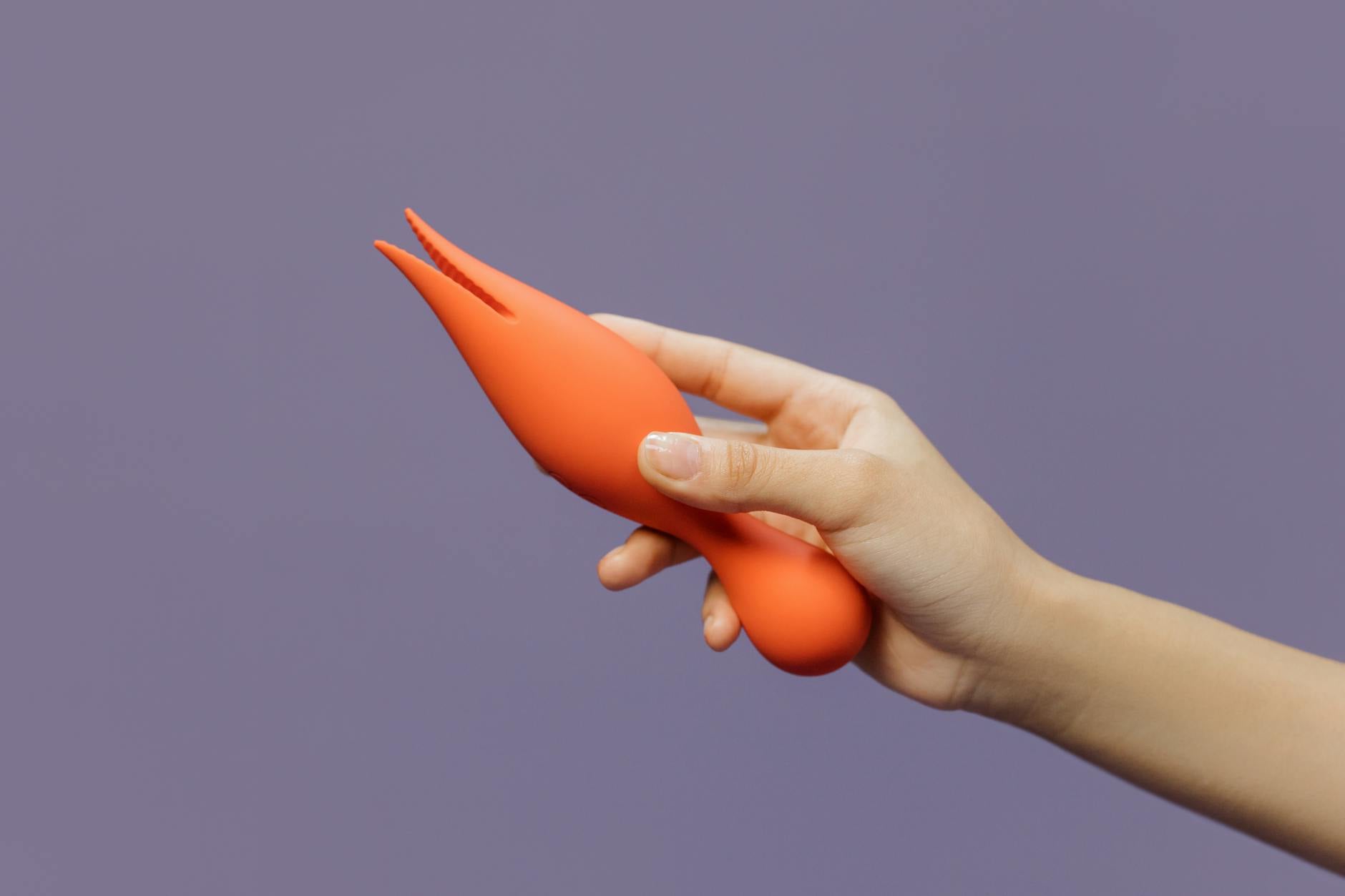
When you're always the one asking
Let's be real. If you're the partner who initiates most of the time, you already know the exact weight of that. You've internalized the rejection that comes with suggesting sex and hearing "maybe later" or getting silence. You've learned to read the room, predict the no before you even ask, and eventually you just stop asking. The worst part isn't the lack of sex. It's the loneliness of wanting someone and them not wanting you back, at least not on your timeline.
That gap between desire and responsiveness is where resentment lives. And a lemon clitoral vibrator can't fix a relationship problem. But it can fix something equally important: it can give you back permission to have pleasure that doesn't depend on someone else's mood.
Why initiation imbalance hits differently
Desire imbalance in long-term partnerships is one of the most common problems I see in my practice. One partner wants sex twice a week. The other wants it twice a month. On paper, that sounds like a simple math problem. In reality, it's about feeling wanted, about being the one who always has to reach out, about the slow erosion of spontaneity.
Here's what matters: the person who initiates less often often doesn't feel less desire. They might feel safer, or more responsive than proactive. They might have a different arousal pattern that needs longer foreplay to activate. They might be carrying stress or body image concerns that make them reluctant to initiate. Or, yes, sometimes they're just not that interested in sex with their partner, and that's a different conversation entirely.
But if your partner generally enjoys sex when it happens, the initiation gap is often about timing, not about you. And you can't control their timing. You can only control your response to it.
The permission problem
Most people in desire-imbalanced relationships internalize a story: "I'm too much. I want sex too often. If I ask again, I'm being needy." So they stop asking. They wait for their partner to initiate. They schedule sex (which sometimes helps, but often feels obligatory). They have less sex overall, and both partners feel worse.
What a lemon vibrator does is interrupt that narrative. When you have your own pleasure available on your own timeline, you're no longer waiting for permission from someone else's body. You're not negotiating your own arousal. You're not tallying how many times they've turned you down this month.
This is not about replacing your partner. It's about owning the parts of your sexuality that don't require their participation.
How to actually use this strategy
Start with separation. Your pleasure and your partner's participation in your pleasure are two different things. This matters because you've probably conflated them. "If they wanted me, they'd initiate more" has become "My pleasure depends on their initiation." Those are not the same.
Set a specific time each week, maybe twice a week, that you dedicate to yourself. Not when your partner is asleep or away. Not hidden. This is flagrant, unapologetic self-pleasure. Twenty to thirty minutes. A lemon vibrator, a comfortable space, whatever turns you on mentally. No performance, no waiting to see if they might join in. Just you and the suction patterns you prefer.
What happens next is counterintuitive. When you stop waiting for your partner to initiate, you become less resentful. When you're less resentful, sex with your partner often improves because the emotional charge changes. You're not saying yes out of obligation or desperation. You're showing up because you genuinely want to, and that difference is palpable to both of you.
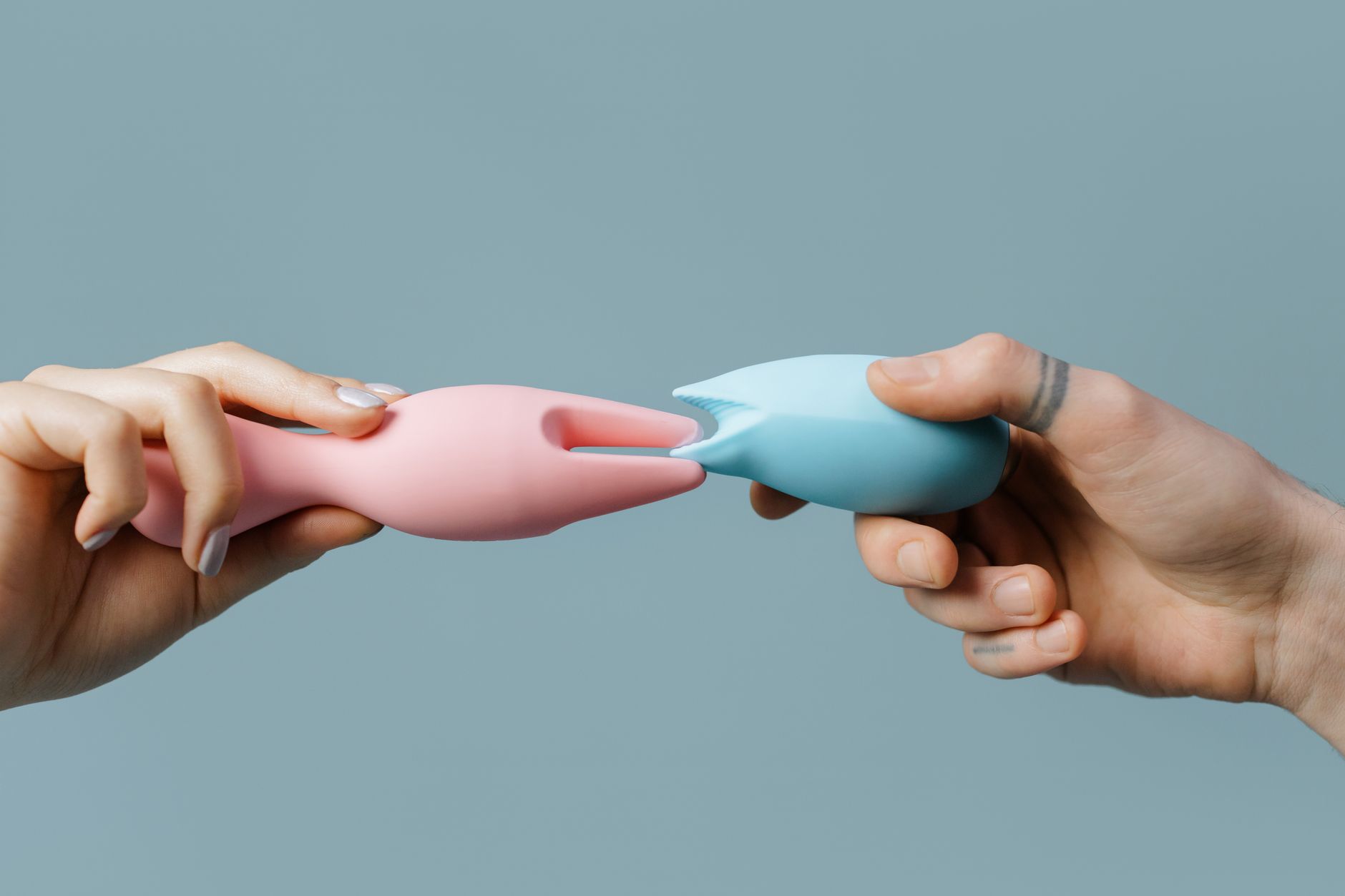
Photo by cottonbro studio on Pexels
The conversation you probably need to have
Here's the thing though. Solo pleasure is part of the solution, not all of it. If your partner never initiates and shows no interest in changing that, that's a relationship issue that a lemon clitoral vibrator can't solve. At some point, you need to talk.
Not during sex. Not when you're aroused. Not when you're angry. Find a neutral time and say something like: "I notice I'm usually the one who suggests we be intimate. That's been making me feel rejected. I'm not asking you to want sex on my schedule. I'm asking you to notice this pattern and tell me what's true for you."
Then listen. Really listen. The answer might be "I'm stressed about money and my body feels like it's not mine." It might be "I never learned how to initiate because I grew up thinking desire was something that happened to you, not something you create." It might be "I love you but I'm not that interested in sex anymore." All of those are real. All of them change the conversation.
What you're looking for is whether your partner is willing to acknowledge the imbalance and work on it. If they say it's fine, it's not a problem, you're just too horny, that's a different red flag. That's not a desire mismatch. That's a dismissal of your needs.
What actually changes when you reclaim your pleasure
Three things happen when you stop waiting:
First, your nervous system relaxes. Chronic rejection puts you in a low-grade stress response. You stop asking because it hurts. You interpret their lack of initiation as rejection even when it's not. When you take sex off the negotiation table and make it your own, that background anxiety dissolves. You're no longer waiting for permission.
Second, sex with your partner often improves. This sounds backwards, but it's consistent. When you're having regular orgasms on your own terms, the pressure on partnered sex decreases. You stop needing every sexual interaction to validate that you're wanted. You can actually enjoy what's happening instead of evaluating whether you're still desirable.
Third, you get data. If your partner never initiates but is enthusiastic when you do, that's one thing. That's probably workable with the right conversation. If your partner never initiates and also seems disengaged during sex, that's different. It tells you something about the partnership that you needed to know.
The lemon vibrator specifically
Why recommend a clitoral vibrator like the Lem over something penetrative? Because clitoral stimulation is the most reliable path to orgasm for people with vulvas, and reliability matters here. You need something that works quickly, consistently, and doesn't require your partner's presence or cooperation. Air-suction lemon vibrators deliver intense, focused stimulation without the high-frequency buzz that can numb tissue over time.
You also need something that feels distinct from partnered sex. If you use the same toy your partner uses with you, it becomes about them. A lemon sucker that's entirely yours, something you reach for solo, creates a clear boundary between your pleasure and partnered intimacy. Both are valid. Both matter. But they're not the same thing.
Start with lower intensity settings. You don't need maximum suction every time. Sometimes the gentler patterns feel better, especially if you're using it as a way to de-stress rather than to chase an orgasm. The beauty of having options is you can match the intensity to what you actually need that day.
When this approach doesn't work
If you've been reclaiming your pleasure solo and partnered sex still feels obligatory or joyless, that's important information. It might mean you and your partner have deeper incompatibility than a timing issue. It might mean you need a couples therapist to untangle what's actually going on. It might mean the relationship itself needs to change.
A lemon vibrator can restore your individual sexuality. It can't restore mutual desire if it's genuinely gone. And you deserve both. You deserve to feel wanted, not just to have orgasms. If your partner can't show up to that, no toy bridges that gap.
FAQ
How do I bring this up without my partner thinking I'm replacing them?
Frame it as addition, not substitution. "I want to take more ownership of my own pleasure, and I want that to help me feel better in our relationship overall." Most partners respond well to that because it's true. When you're less resentful and more satisfied, the relationship improves.
What if my partner feels threatened by me using a vibrator?
That's worth exploring. Sometimes the threat is about insecurity (they worry they can't please you as much as the toy can). Sometimes it's about control (they want to be the only source of your pleasure). Neither one is your responsibility to fix. You can say: "This is for me, about me. It's not about you or our sex." If that's not enough and they remain controlling, that's its own relationship problem that needs addressing separately.
How often should I use a lemon clitoral vibrator if I'm in a relationship?
As often as feels good. Some people use it twice a week, some daily, some a few times a month. There's no prescription. The goal is pleasure on your timeline, not on a schedule. If you're using it instead of connecting with your partner, that's worth noticing. If you're using it to maintain your own sexuality independent of their mood, that's healthy.
Can I use it with my partner even if they don't usually initiate?
Absolutely. You can ask them to be present while you use it. You can ask them to watch. You can use it during foreplay or during sex. The difference is you're not waiting for them to decide it's time. You're initiating, they're choosing to join. That small shift changes the dynamic.
What if my partner wants to use the vibrator on me but never initiates sex otherwise?
That's a common pattern. Some people are more comfortable with responsive pleasure (doing something to you) than with initiating their own desire. It's not ideal, but it's information. You're getting something, which is better than nothing. Whether it's enough depends on whether you can live with the initiation imbalance long-term. Honest answer: most people can't.
Does using a lemon vibrator mean my relationship is in trouble?
No. Using a vibrator means you care about your own pleasure. Healthy long-term partnerships include individual sexuality alongside partnered sexuality. The vibrator is a tool for self-care, not a sign of trouble. Trouble is ignoring the initiation imbalance, building resentment, and hoping it fixes itself. The vibrator is actually part of fixing it.
The actual point
You deserve to feel wanted. You also deserve to feel pleasure regardless of whether someone else wants you right now. Those aren't contradictory. A lemon vibrator handles the second one. A serious conversation handles the first. Do both. Your sexuality is not your partner's to approve or deny. It's yours. Act like it.