
Let's talk about what happens after 10 years
You're not broken. The relationship isn't failing. But somewhere between mortgages, routines, and the sheer logistics of staying together, sex became something you schedule around instead of crave. That's not a failure of love. It's a failure of novelty.
The good news? A lemon vibrator isn't a sign things are dying. It's permission to rebuild pleasure on your own terms, together.
Why long-term couples need something different
Research on desire and habituation is pretty clear: the brain stops noticing what it already knows. When you've had sex with the same person hundreds of times, your nervous system stops firing the way it did in year one. That's not a reflection of your partner or your relationship. It's neurobiology.
What most couples miss is that introducing a lemon clitoral vibrator or other novelty tools doesn't replace intimacy. It creates permission to slow down, pay attention again, and actually feel what's happening. The device becomes a reset button.
Here's what I see clinically: couples who introduce vibrators report higher satisfaction, more communication, and paradoxically, more frequent partnered sex. The device isn't the point. The conversation about pleasure is.
Starting the conversation without it feeling clinical
This is the real barrier for most long-term couples. Bringing it up feels like criticism.
Better framing: "I miss the way we used to touch. I want to feel like we're exploring again." That's honest and forward-looking, not defensive.
If your partner seems hesitant, name the actual worry. They often think "she needs a vibrator because I'm not enough." The truth: "I want us both to feel better. This isn't about you. It's about what we could discover together."
Then show, don't tell. If they're resistant, order one to use solo first. Let them see it. No pressure. Sometimes visibility kills the weirdness.
If they're willing, watch videos together. Hello Nancy has guides on how to use a lemon vibrator for beginners and best settings for different types of stimulation that make it feel educational instead of awkward.
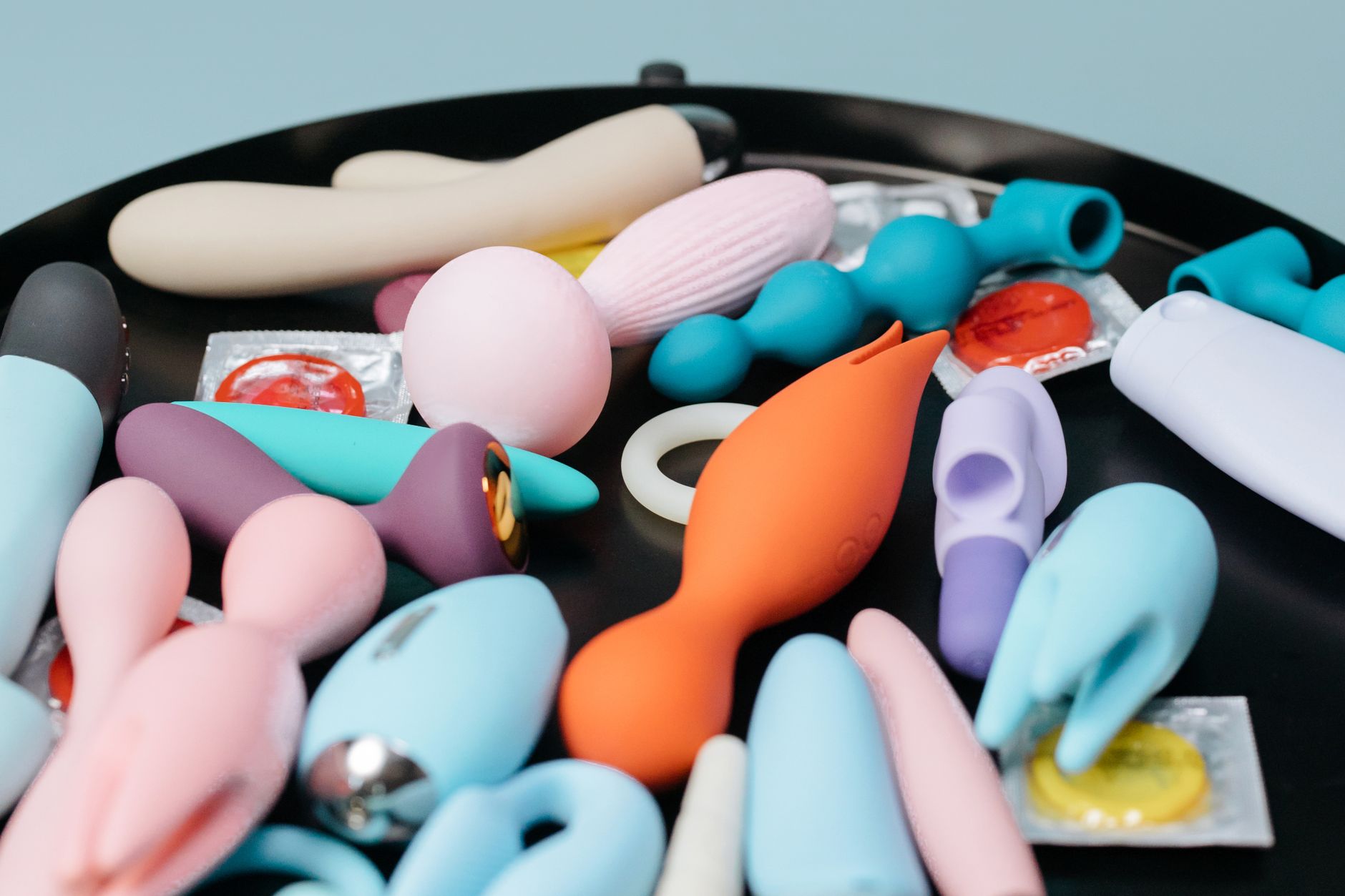 Photo by cottonbro studio on Pexels
The actual mechanics: how to build this into partnered sex
Think of a lemon vibrator as a tool for slowing down and amplifying what's already working.
Start solo. You need to know what you like before inviting someone else into that. Spend a week or two exploring on your own, figuring out patterns and pressure levels. This isn't selfish. It's data collection for the relationship.
Then introduce it together during foreplay, not intercourse. Clitoral stimulation with a lemon sucker or similar device is separate from penetration. Most of the pressure couples feel is trying to do everything at once. Instead, take turns.
Here's a concrete rhythm: partner touches you manually, you add the vibrator for intensity, then they switch to penetration or oral while you keep the device on lower settings. The device isn't replacing them. It's supplementing.
Or try this: you control the vibrator while they focus on other parts. It removes the performance anxiety of trying to coordinate everything and gives you agency over your own pleasure, which is weirdly hot for both people.
Timing matters. Don't ambush someone with a vibrator mid-sex if you haven't talked about it. Plan it. Set expectation. Make it collaborative.
What changes about pleasure when you do this
Honestly? Everything improves gradually, not overnight.
You'll probably have a lousy or awkward first time. That's normal. The goal isn't perfect integration. The goal is breaking the routine of "we do what we always do."
What I see happen in couples: orgasms become more reliable and more intense. People who haven't had orgasms during partnered sex suddenly can. The conversation becomes less about performance and more about sensation.
And the side effect nobody predicts? You start touching each other differently outside the bedroom too. The attention you pay during pleasure bleeds into daily affection. A partner who knows they matter enough to prioritize your pleasure usually shows up differently everywhere.
Managing sensitivity and discomfort
If the clitoral area is sensitive or if penetration feels uncomfortable with a vibrator in the picture, slow down further. Lower intensity. More lube. Longer warm-up.
Some people need to reframe what "full sex" means. If penetration plus vibration is too intense, maybe it's vibration plus oral. Maybe it's just solo vibrator use while your partner is present and intimate but not inserting. That's not compromise. That's designing pleasure that works.
If there's pain, stop. Grab water-based lubricant and try again later. Pain is information. Honor it.
The emotional piece: what actually rebuilds intimacy
This is the part couples underestimate. Introducing a lemon vibrator works because it requires vulnerability and communication, not because of the device itself.
You're saying: "I want to feel good. I want you to help me. I trust you enough to be honest about what my body needs." That's intimacy in its most basic form.
Long-term couples often mistake routine for security. Security is knowing someone cares enough to stay curious about you. A device is just the vehicle for that conversation.
When to see a therapist instead
If the real issue is resentment, communication breakdown, or fundamental mismatched desire, a vibrator won't fix that. A vibrator is a tool for couples who fundamentally like each other but have lost momentum.
If one partner feels unwilling or coerced, pause. That's a sign there's a bigger conversation needed about consent, desire, and what each of you actually wants. A good couples therapist specializing in intimacy (Gottman-trained is evidence-backed) can help navigate that.
But if you're just bored and want to feel something again? A lemon clitoral vibrator and 20 minutes of honest conversation might be enough.
People also ask
How do I know if my partner will be comfortable with a vibrator?
You ask. Directly. Not in bed. Over coffee or during a walk. Frame it as curiosity, not criticism. "I've been thinking about how we could explore more together. Would you be open to trying something?" Their reaction tells you everything. If they shut down, that's a separate conversation about what's beneath the resistance.
Can using a vibrator together improve our sex life if we're already satisfied?
Absolutely. Even couples with healthy sex lives benefit from novelty. The nervous system doesn't get bored, but it does get habituated. New sensations create new arousal pathways. Think of it like moving your furniture around. Same room, different energy.
What if my partner feels threatened by the vibrator?
That fear is usually about whether they're "enough." Reassure them: this isn't about replacing them. It's about enhancement. Many partners find watching their partner orgasm more intensely is actually a turn-on. Let them know the device amplifies what's already there, like turning up the volume on a song you both love.
Is it weird to use a vibrator during penetrative sex?
Nope. Plenty of couples do. Many people with vulvas don't orgasm from penetration alone. Adding clitoral stimulation (via vibrator or hand) is standard anatomy, not deviation. It's what works for the body you have.
How often should we be using a vibrator together?
There's no "right" frequency. Some couples use one regularly. Others pull it out once a month for novelty. The point isn't the device. It's that you're both choosing to prioritize pleasure and playfulness. Whatever rhythm keeps that alive is the right one.
What if we try it and it doesn't feel good?
Then you tried something and it didn't work. That's valuable information. Maybe you need more lube. Maybe different timing. Maybe a different device. Or maybe penetrative partnered sex with a vibrator just isn't your thing, and that's fine. The win is that you communicated and explored together. That matters more than the device working perfectly.
The real reason this works
Long-term relationships die from predictability, not from time together. A lemon vibrator introduces possibility. It says: we're not done exploring. We're not stuck in one way of doing things.
That mindset shift changes everything. Not just in bed. In how you show up for each other entirely.
If you're ready to have that conversation, start here. Pick a good time. Be honest about what you want. Listen to what your partner needs. Then explore together. That's how long-term couples rebuild not just sex, but real intimacy.
Questions about how to start? Reach out. We're here.