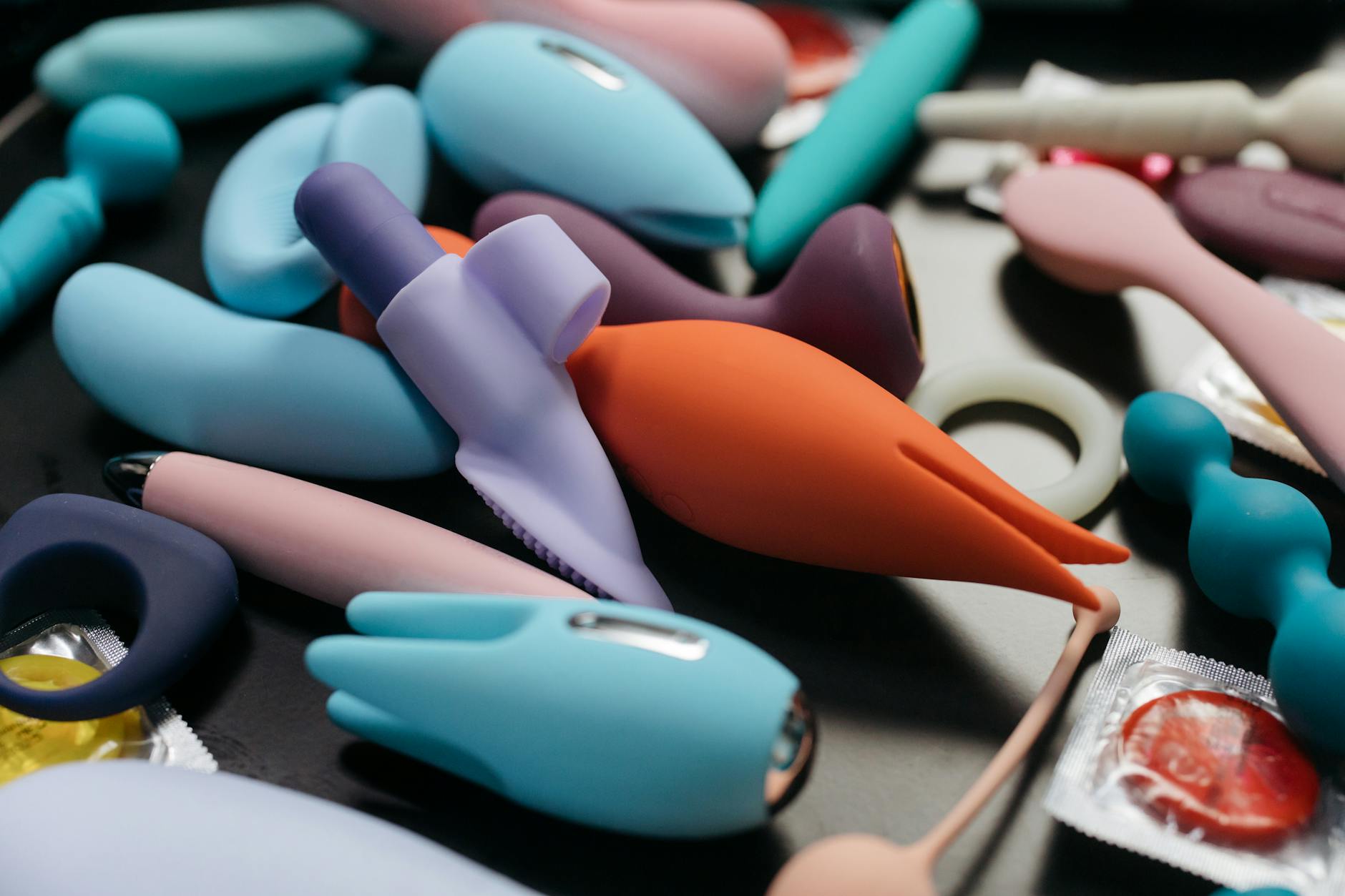
The antidepressant pleasure problem is real and solvable
Let's start with the hard truth: SSRIs, SNRIs, and many antidepressants are phenomenal at stabilizing mood. They're also notorious for flattening sexual response, delaying orgasm, or killing it entirely. The FDA estimates this affects 40-60% of people taking these medications. That's not a small side effect. That's a crisis that almost nobody discusses candidly.
Here's what I've learned from my clients: the numbness isn't about willpower or attraction or relationship quality. It's neurochemistry. Serotonin reuptake inhibition changes how your nervous system registers touch. The good news is that numbness isn't permanent, and it's not untreatable. Understanding the mechanism helps you work around it instead of fighting it.
How antidepressants actually affect clitoral sensation
Your clitoris has roughly 8,000 nerve endings. For those nerves to fire and send pleasure signals to your brain, several things need to happen simultaneously: blood flow, neurotransmitter activity, and nerve sensitivity all have to be aligned. SSRIs reduce the availability of serotonin at the synaptic level, which is exactly why they help with depression. But serotonin also plays a role in sexual arousal and orgasmic response.
On top of that, some antidepressants increase prolactin levels, which suppresses dopamine. Dopamine is the motivation and reward neurotransmitter. Less dopamine means your brain registers less of a "yes, do this" signal, even when your clitoris is being stimulated.
The result: you might feel touch, but it doesn't mean anything. It doesn't build momentum. It doesn't lead anywhere. Many of my clients describe it as "touching numb skin," even though the skin itself isn't damaged.
Why air-suction stimulation works better than vibration when sensation is muted
This is where lemon vibrators and devices like the Hello Nancy's Lems come in. Traditional vibrators use high-frequency oscillation, which relies on your nerves detecting rapid movement. When those nerves are desensitized by medication, vibration can feel like a blur or white noise.
Air-suction technology works differently. Instead of vibrating, it creates rhythmic pulses of gentle suction around the clitoris. This stimulates the entire clitoral network. not just the surface. The sensation tends to feel broader and more integrated, which can be easier for medicated bodies to register.
Anecdotally, my clients on antidepressants report that suction devices "cut through" the numbness in a way traditional vibrators don't. That's not coincidence. You're stimulating a larger network of nerve endings with a different type of sensory input.
Timing matters: dosing windows and arousal cycles
Here's a practical strategy many people miss: antidepressant levels in your bloodstream fluctuate. If you take your medication at night, the peak concentration is typically 2-4 hours after ingestion. That's when sexual side effects are often most pronounced.
Many of my clients have better success with arousal and orgasm in the window just before their next dose is due. Medication levels are lower, sensitivity rebounds a bit, and the nervous system has had time to partly recover.
This is worth experimenting with. Keep a simple note for a week or two: when you take your medication, and when you notice sensation improving or worsening. You might find a window where your body cooperates more readily.
If you're taking medication multiple times daily, or if your medication has a very long half-life, this might not apply. But it's worth testing.
Practical techniques that rebuild sensation
Start slow and stay there. When sensation is muted, the impulse is to turn up intensity. Resist it. Begin with pattern 1 or 2 on a lemon vibrator, not pattern 5. Let your clitoris warm up gradually. Sometimes sensation creeps back only after 10 to 15 minutes of consistent low-intensity stimulation.
Build arousal first, stimulation second. Your brain is part of your sexual anatomy. If you jump straight to clitoral stimulation without any mental foreplay, your body has no context for the touch. Spend time with fantasy, erotic audio, or sensual material before introducing any device. Let your brain prime your nervous system.
Combine multiple sensations. Numbness from medication often means a single input isn't enough. Try pairing the lemon vibrator with other touch. A partner's hands on your body, penetration (if that's pleasurable for you), or even temperature play. Multiple sensory channels activate more of your nervous system.
Experiment with positioning. Angle matters. The clitoris isn't just the visible external part. It extends internally, branching like a wishbone. Different angles of contact might activate nerves that feel more responsive. Spend time discovering what positioning creates the most sensation for you.
When to talk to your prescriber
Here's what I always tell my clients: you don't have to choose between mental health and sexual pleasure, but sometimes the conversation with your doctor matters. If sexual numbness is severe and affecting your relationship or quality of life, mention it specifically. Don't be vague. Say "orgasm takes 45 minutes instead of 10, and sometimes doesn't happen at all."
Your prescriber has options. Some antidepressants have lower sexual side effect profiles than others. Timing adjustments (taking medication at a different hour, for example) sometimes help. Adding a small dose of bupropion, which boosts dopamine, can counteract sexual side effects. Taking a scheduled "medication holiday" once a week (with approval) works for some people.
None of these are perfect solutions, but they're worth discussing. Your mental health is non-negotiable. Your sexual pleasure shouldn't be sacrificed for it, and good prescribers know that.
The patience piece
One thing I've learned from working with couples navigating this: sensation sometimes comes back on its own timeline. Your nervous system is resilient. If you've been on medication for months and suddenly sensation starts returning, that's not weird. Your body adapts. Some people find that after a year on the same dose, responsiveness gradually improves.
This isn't guaranteed. Some people deal with persistent numbness for as long as they take the medication. But it's worth knowing that improvement is possible, and it doesn't always require changing prescriptions.
Using a lemon clitoral vibrator during this period isn't about forcing an orgasm that won't come. It's about maintaining connection with your body, exploring what sensation is available to you, and keeping the door open to pleasure as your nervous system adjusts. That matters for self-esteem and for partnerships.
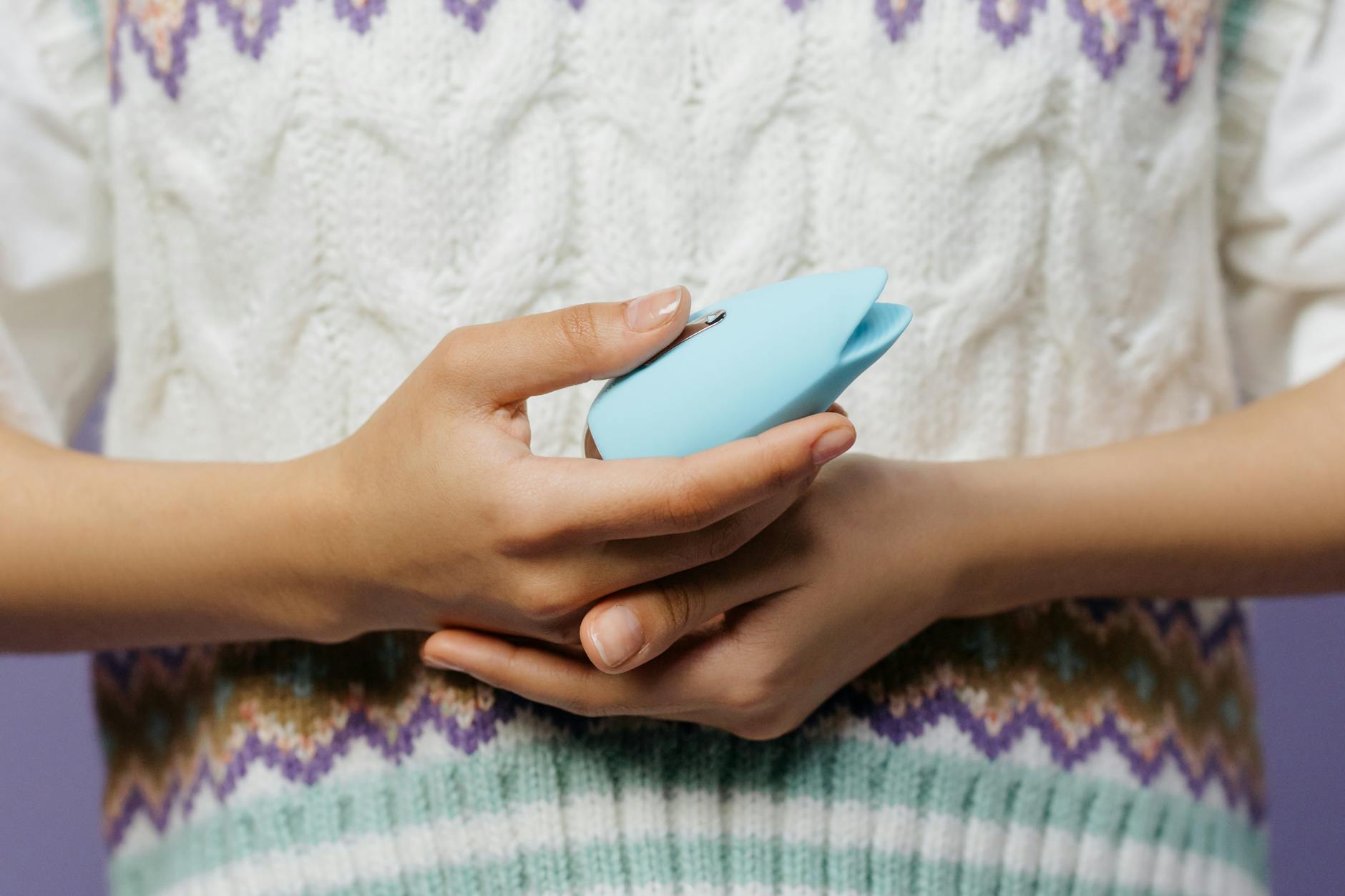
Photo by cottonbro studio on Pexels
FAQ: Antidepressants, numbness, and pleasure recovery
Can you use a lemon vibrator safely while taking antidepressants?
Completely. Antidepressants affect your nervous system's sensitivity, not its ability to be safely stimulated. Using a lemon clitoral vibrator or any other device doesn't interfere with medication efficacy or safety. The device itself has no interaction with psychiatric drugs. What changes is how much sensation you perceive, not whether stimulation is physically safe.
Will switching to a different antidepressant fix sexual dysfunction?
Maybe. Some antidepressants have lower rates of sexual side effects. Bupropion, for example, is associated with fewer sexual dysfunction complaints than SSRIs. But "lower rates" doesn't mean zero. And switching medications carries its own risks. If you're stable on your current medication, the conversation with your prescriber should weigh that stability against the sexual side effects. Sometimes a lemon vibrator is a more practical solution than destabilizing your mental health to chase a different medication.
How long does it take for numbness to improve if you stop antidepressants?
That depends on the medication and your body. Some people notice improvement within a few days of stopping. Others take weeks. Fluoxetine, which has a long half-life, can take longer to clear from your system than medications like paroxetine. But here's the critical part: don't stop antidepressants without your prescriber's guidance. Abrupt discontinuation can cause withdrawal symptoms and mood crashes. If sexual side effects are severe enough to consider stopping, that's a conversation to have with your doctor in real time.
Why does the lemon vibrator work better for medication-numbed sensation than a regular vibrator?
Air-suction stimulation activates a broader network of nerve endings through rhythmic pressure and release, rather than rapid oscillation. When antidepressants dull sensation, this broader activation can feel more noticeable and easier for your nervous system to register. That said, everyone's body is different. Some people find success with traditional vibrators after adjusting patterns or intensity. Lemon vibrators are one tool, not the only solution.
Is numbness from antidepressants permanent?
Not always. Some people experience persistent sexual side effects as long as they take the medication. Others find that their nervous system adapts over time, and sensation gradually returns even without any changes to the medication itself. This can take months. And some people find relief through prescription adjustments, timing changes, or the addition of medications that counteract sexual side effects. Permanent doesn't mean permanent for everyone.
Can mental health therapy or couples work help restore sensation during antidepressant numbness?
Therapy can't override neurochemistry, but it absolutely helps with the secondary effects of numbness: the shame, the relationship tension, the sense of broken sexuality. My work with couples navigating antidepressant side effects focuses a lot on rebuilding intimacy that doesn't center on orgasm or penetration. Often, that shift in expectations and communication makes pleasure more accessible, even if the baseline numbness persists. A skilled therapist can also help distinguish between medication-induced numbness and other contributors like stress, relationship conflict, or shame. Sometimes it's not just the pills.
The bottom line
Antidepressants save lives. They also sometimes flatten pleasure, and that trade-off deserves honesty and practical solutions. A lemon clitoral vibrator, used strategically with attention to timing, arousal, and positioning, can help you access sensation even when antidepressants have dulled it. But the device alone isn't the answer. The real answer involves conversations with your prescriber, patience with your body's timeline, and permission to redefine what pleasure looks like during a season of medicated life. You don't have to sacrifice either mental health or sexual fulfillment. You get both.
If you'd like to explore how to deepen intimacy during medication-related changes, or if you're navigating relationship tension around sexual side effects, reach out. Contact Hello Nancy's Lems to book a consultation.
Sources and clinical references
Federico, C. A., et al. (2013). "Antidepressant-induced sexual dysfunction: Review of the literature and treatment options." Journal of Clinical Psychiatry.
Balon, R. (2006). "SSRI-associated sexual dysfunction: Possible mechanisms and management strategies." Primary Care Companion to the Journal of Clinical Psychiatry.
American Psychiatric Association. (2022). "Sexual dysfunction and psychiatric medication: Clinical guidelines." Diagnostic and Statistical Manual of Mental Disorders, Fifth Edition.
Cook, B. J., et al. (2017). "Antidepressant-induced sexual impairment: A comprehensive review of mechanisms and clinical implications." Psychiatry Research.