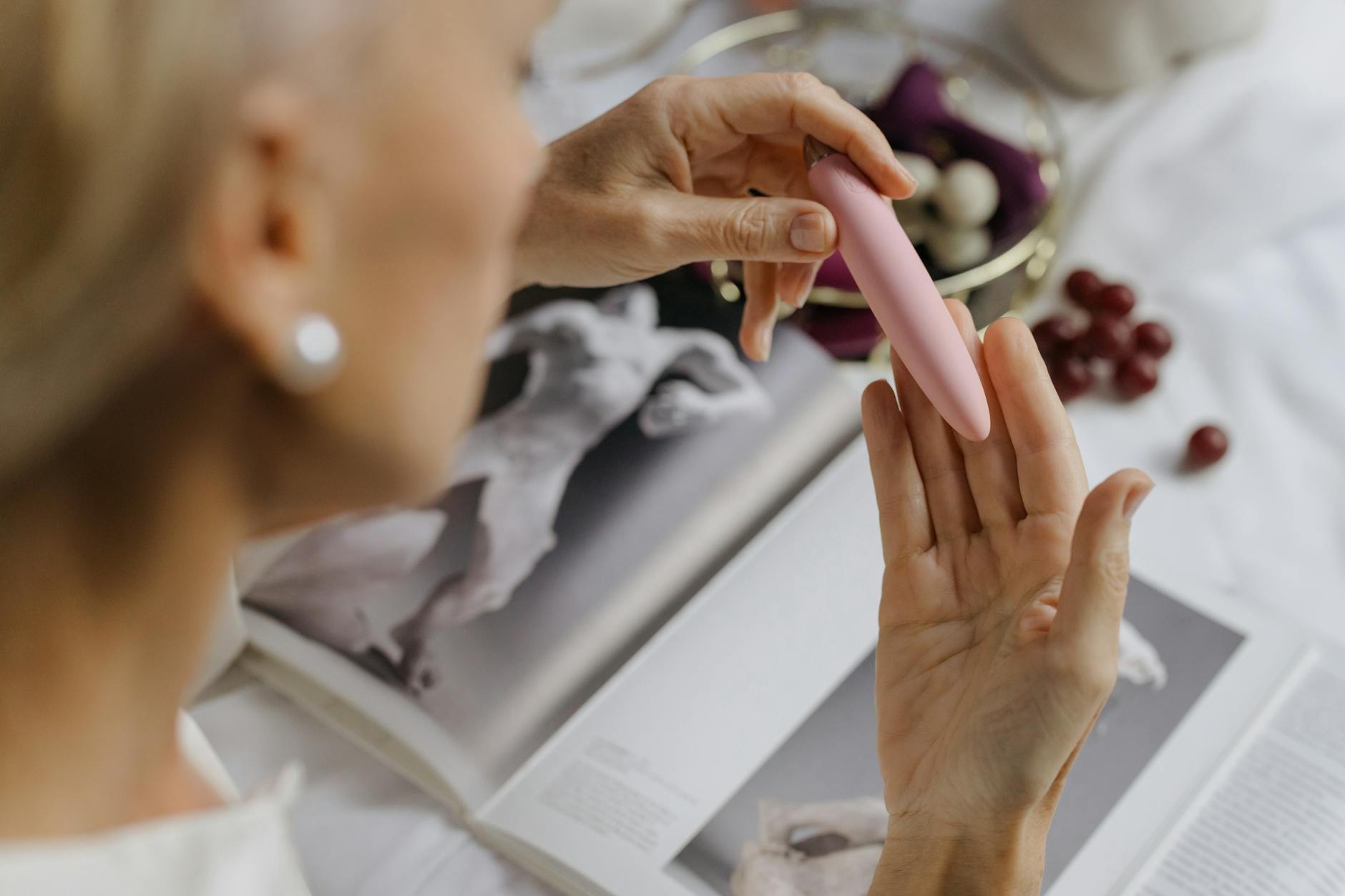
The hard truth about pleasure after betrayal
Relationship trauma doesn't just affect your heart. It lives in your body. When someone has violated your trust, your nervous system learns to stay vigilant, to protect. Pleasure feels unsafe because it requires vulnerability. Your body remembers that vulnerability led to pain.
Restarting intimacy after emotional or sexual betrayal isn't about forcing yourself to feel sexy again. It's about slowly teaching your nervous system that pleasure can exist separately from the wound. That you can choose it, control it, and stop it whenever you need to.
Why this journey is different from normal arousal
When you're healing from relationship trauma, standard intimacy advice falls flat. Someone telling you to "relax and enjoy yourself" doesn't account for the fact that your body might panic when you try. That's not dysfunction. That's a normal response to abnormal hurt.
A lemon vibrator, specifically, becomes useful here because it offers something crucial: agency. You're holding the device. You're setting the intensity. You're choosing the rhythm. You're in complete control. That control rebuilds trust in your own body and your own decisions.
Understanding your nervous system's role
Trauma responses don't live in your mind alone. They're stored in your autonomic nervous system, which manages arousal, relaxation, and threat detection. After betrayal, your system can get stuck in hypervigilance. Pleasure attempts trigger the same alert signals that real danger once did.
Healing means gently teaching your nervous system that this moment, right now, is safe. That you're choosing this. That you can stop whenever you want. A personal lemon clitoral vibrator is one of the cleanest ways to build that proof because there's nothing ambiguous about it. You're not waiting for someone else's timing or permission. You're generating your own pleasure signal.
Starting small with sensation exploration
Begin not with orgasm as the goal, but with simply noticing what feels good without pressure. This is where a clitoral vibrator like the Lem helps because the graduated intensity settings let you hover at the edge of comfort.
Set aside 15 minutes when you're completely alone. No partner nearby, no phone, no agenda. Start at pattern 1. The goal is zero. You're just getting reacquainted with your body's capacity to feel good without shame or fear.
If anything triggers a stress response, stop immediately. Don't push through. Stopping is the data point that matters. Your body is telling you something. Listen to it. You can try again tomorrow or next week. There's no deadline.
Managing triggers and intrusive thoughts
While you're exploring sensation, memories or thoughts about the person who hurt you might surface. That's neurologically normal. Trauma memories don't announce themselves logically. They attach to body sensations without warning.
If this happens, pause the vibrator. Take three slow breaths. Remind yourself where you are and that you're safe now. Then decide: do you want to continue, or do you want to stop and come back later. Both are correct answers.
Some people benefit from grounding techniques before exploring. Hold ice, name five things you can see, press your feet into the floor. These anchor your nervous system in the present moment rather than the past.
Pacing matters more than progress
One of the hardest parts of healing is resisting the urge to "get over it" quickly. Your body doesn't work on a timeline. Pleasure after trauma builds in layers. One week you might reach orgasm. The next week you might not. That's not regression. That's your nervous system doing its job.
The lemon vibrator's design works well here because it's compact and portable. If you're somewhere and suddenly feel ready to reconnect with sensation, you can. But you're not forced into scheduled sessions or performances. Flexibility is part of the healing.
Expect this phase to take months, not weeks. That's not failure. That's actually how trust rebuilds in the body.
When and whether to involve a partner
If you're in a new relationship or rebuilding with a partner, go slow with disclosure. You don't owe anyone the full story of your trauma, ever. What you might share is simpler: "I need to go at my own pace with intimacy. I'm working through some things." A partner who respects that boundary is showing you something important.
Using a lemon sexual toy solo is not cheating or a sign you're not interested in partnership. It's actually the opposite. It's you doing the foundational work so that when you are ready to be intimate with someone else, you're coming from a place of agency, not desperation or obligation.
Some partners find it helpful to be in the room but not directly involved. They read while you explore. The point is that they're respecting your space and your timeline. If a partner pressures you to move faster or makes your solo exploration feel shameful, that's information you need to hear.
The role of safety and consent with yourself
One thing trauma teaches you is to doubt your own boundaries. You might start exploring with a lemon clitoral vibrator and suddenly doubt whether you're "allowed" to feel good. That's the voice of the person who hurt you, echoing in your head.
Instead, practice explicit consent with yourself. Before you use the vibrator, say out loud: "I'm choosing this. I can stop whenever I want. My pleasure matters." This sounds simple, but it rewires neural pathways that were damaged by violation.
Stop whenever you want to stop. There's no prize for finishing. Stopping is not failure. Stopping is you proving to yourself that your boundaries work.
Reconnecting with desire over time
Desire doesn't always come back first. Sometimes sensation returns before desire. Sometimes you feel ready and then not ready again. This is messy and nonlinear, and it's completely normal.
Many people find that using a lemon vibrator solo eventually shifts something. Not because the device is magic, but because you've now created dozens of moments where you experienced pleasure without harm. Your nervous system starts to update its threat assessment. Pleasure begins to feel possible again.
When you're ready to explore with a partner, the foundation you've built solo becomes invaluable. You already know what you like. You already have proof that your body can feel good. That knowledge changes the entire dynamic.
When to talk to a professional
If trauma-related flashbacks are severe or if you feel completely numb no matter what you try, a trauma-informed therapist matters more than any device. Some people benefit from somatic therapy, EMDR, or Gottman Method relationship work to process the injury.
A lemon vibrator is a tool, not a substitute for professional care. But it can be part of a broader healing plan. Think of it as part of your toolkit alongside therapy, partner communication, and time.
The body remembers, and so does healing
Your body was the place where trust was broken. It's also the place where it rebuilds. Using a clitoral vibrator isn't about rushing back to "normal." It's about slowly proving to yourself that your body is yours again. That you can feel good on your own terms. That pleasure is possible even after pain.
Start small. Go at your pace. Stop whenever you need to. There's no finishing line, just another day of choosing yourself.
People also ask
Is it normal to feel nothing when using a lemon vibrator after trauma?
Completely normal. Numbness is a trauma response. Your nervous system is protecting you. Numbness often decreases over time as you prove to yourself that pleasure is safe. If numbness persists for months, mention it to a therapist. Sometimes medication side effects or other factors contribute. But don't assume nothing will ever work. Many people experience a shift after weeks or months of gentle, pressure-free exploration.
Can I use a lemon clitoral vibrator while on antidepressants?
Yes. Antidepressants can sometimes make orgasm harder to reach, but they don't prevent pleasure entirely. If you're experiencing numbness as a side effect, that's worth discussing with your prescriber. Some people find lower vibrator intensities actually feel better when they're on SSRIs. A lemon vibrator's graduated intensity settings make this easy to customize.
What if memories come up while I'm using the vibrator?
Stop, breathe, and ground yourself in the present. Hold ice, name things you see, press your feet down. Then decide whether you want to continue or come back another time. Continuing through distress trains your body to ignore its own signals. Stopping trains it to listen. Both are valid choices in the moment.
Should I tell my partner I'm using a vibrator for healing?
That depends on your comfort level and your relationship. You don't owe anyone the full story. A simple "I'm working through some things and need solo time" is enough. If your partner reacts negatively, that's about their insecurity, not your healing. A supportive partner respects that you're doing foundational work.
How long does it take to feel pleasure again after trauma?
It varies widely. Some people notice shifts in weeks. Others take months or years. Healing isn't linear. You might feel ready one day and triggered the next. That's not failure. That's your body doing its job. Trust the process even when it's slow.
Can using a lemon vibrator replace therapy?
No. A vibrator is a tool for exploring sensation. Therapy is for processing the trauma itself. They work best together. A lemon sexual toy can help rebuild physical trust in your body, but a trained therapist helps you process the emotional injury. Use both if you can.