Let's talk about what menopause actually does to sensation
Honestly, one of the most frustrating things I hear from people navigating menopause is that they assume something's wrong with them when sensation changes. The truth is simpler and stranger at once: your clitoris hasn't stopped working. Estrogen has just reorganized how it works.
When estrogen levels drop during perimenopause and menopause, the tissue around your clitoris becomes thinner. Blood flow can be slower to arrive. The nerve endings don't disappear, but the pathway from touch to sensation takes a different route. This isn't damage. It's a shift. And understanding that shift changes everything about which lemon vibrators actually work for you during this phase.
Why sensitivity feels duller (and it's not permanent)
Your clitoris is packed with roughly 8,000 nerve endings. That number doesn't change. What changes is how quickly those nerves fire. Estrogen supports blood vessel flexibility and nerve responsiveness. When estrogen drops, your system needs more time to build arousal, and lighter touches might feel less distinct.
Here's the part nobody mentions: many people also report that once arousal does build, orgasms feel equally intense or actually more intense than before. The journey is longer, but the destination isn't compromised. This is backed up in research and in clinic notes across every menopause-trained clinician I know.
The implication for lemon sexual toys is important. You're not broken. You might just need a different pattern, intensity level, or toy altogether. A lemon clitoral vibrator that felt perfect at 35 might need different settings at 55. That's not a failure of the toy or of your body.
How lemon vibrators specifically help with lower sensitivity
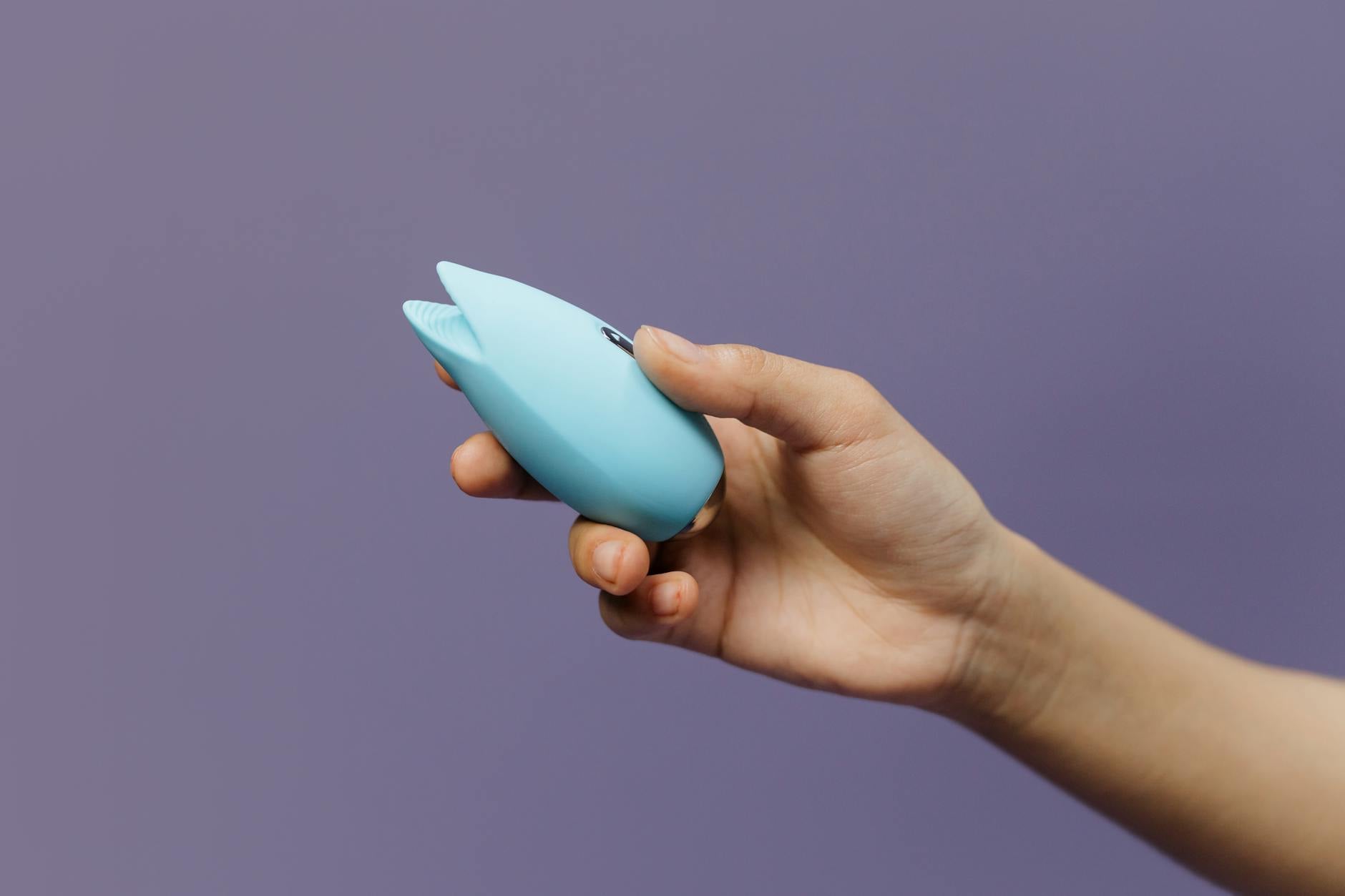
A lemon vibrator works differently than a traditional vibrator because it uses suction and pulsing rather than direct vibration alone. This matters for post-menopausal bodies in a specific way.
Direct vibration can feel sharp or even painful on thinner clitoral tissue. Suction-based lemon sexual toys like the Hello Nancy clitoral vibrators create a gentler, more diffuse sensation that engages nerve endings without aggressive friction. The pattern of pulsing stimulation also works better for bodies that need more time to build arousal because you're not trying to force sensitivity that isn't there yet. You're building it gradually.
I recommend starting with the lower intensity settings on a lemon adult toy if you're experiencing reduced sensitivity. The pattern often matters more than the power. A slow pulsing pattern at medium intensity frequently works better than high intensity with no pulse at all. You're teaching your nervous system to wake up, not shocking it into response.
The role of warm-up and blood flow
One thing I tell every client during menopause is that foreplay isn't optional anymore. It's foundational. Your clitoris needs more time to engorge with blood, which means more time in the build-up phase.
This is where the lem vibrator design actually shines. Because you're not jumping straight to high-intensity stimulation, you have space to warm up. Spend 15 to 20 minutes with lower settings before increasing intensity. Let your body do what it's naturally trying to do: bring blood and sensation back to life. This is the opposite of rushing. It's strategic.
There's also a practical piece: apply a good water-based lubricant before using any lemon clitoral vibrator during menopause. Thinner tissue is more sensitive to friction, yes, but also more responsive to proper glide. Lube reduces micro-tears and makes the entire experience smoother.
Pattern variation beats single intensity
One of the biggest mistakes I see is people assuming that if high intensity doesn't work, no intensity works. That's not how post-menopausal sensitivity works. What often works better is a varied pattern.
Hello Nancy's lemon sexual toys offer multiple patterns, and during menopause, this feature becomes central to your pleasure. Try alternating between patterns rather than staying on one. Pulse, then steady, then pulse again. This variation actually stimulates different nerve clusters and keeps your system engaged.
If you're experiencing numbness or reduced sensation, monotony makes it worse. Your nervous system adapts to repetition. Variety combats that adaptation. Spend time experimenting with pattern sequences rather than power levels. You might find that a lower intensity with varied patterns works better than maximum intensity on a single steady pulse.
Timing matters more than you think
There's a reason so many people report that menopause changes when they can orgasm as well as how they orgasm. Hormonal fluctuations affect arousal timing throughout your cycle, even after menopause. But there's also a practical rhythm piece.
If you've always orgasmed quickly, post-menopause might require you to shift your expectations. This doesn't mean something's wrong. It means you get to spend more time in pleasure rather than rushing through it. I know that sounds like therapist-speak, but it's actually a shift in how you access pleasure.
Use your lemon vibrator when you have time and presence. That means not while you're half-distracted or checking the clock. The physical changes of menopause actually demand more mental engagement, which can make the experience deeper. Your clitoris isn't less capable. Your system is asking for more attention.
When to consider hormonal support
If reduced sensitivity is paired with vaginal dryness that lubricant alone doesn't solve, or if there's pain during use, that's worth discussing with a menopause-trained doctor. Topical estrogen creams or vaginal DHEA can make a dramatic difference in tissue health and nerve response. This isn't about forcing your body back to its 35-year-old state. It's about supporting the tissue you have now.
Some people find that low-dose estrogen therapy restores sensitivity enough that their previous lem vibrator settings work again. Others find they've discovered new preferences that they'd like to keep. There's no right answer. But the conversation is worth having if you're struggling.
The permission piece (the part that actually matters most)
Here's something that rarely gets said directly: reduced physical sensitivity during menopause often coincides with increased emotional permission. Many people spend decades modulating their pleasure around a partner's pace, comfort level, or narrative about what sex should look like. Post-menopause, that pressure often lifts.
I've had clients tell me that they finally felt allowed to spend 45 minutes exploring their own pleasure without guilt or rushing. That they finally felt like their own clitoris belonged to them. The physical sensitivity might shift, but the mental clarity often improves. And that mental shift frequently makes the physical experience richer, not poorer.
Your lemon vibrator is a tool. But the real work is permission. Permission to slow down. Permission to take 30 minutes instead of 10. Permission to try different patterns until something clicks. Permission to acknowledge that your body changed and your pleasure hasn't ended, it's just reorganized.
Frequently asked questions
Will using a lemon vibrator during menopause cause further damage to sensitivity?
No. Using a lemon clitoral vibrator won't cause damage. In fact, regular stimulation supports blood flow and nerve health. What can cause problems is using too much intensity too quickly on tissue that needs gentler engagement. Start low, go slow, and increase gradually. Your tissues respond better to consistent, moderate stimulation than to aggressive intensity.
Can I use the same lem vibrator settings I used before menopause?
Maybe, but probably not. Most people find that their preferred settings shift during menopause. This is normal and not permanent. Your body might respond better to lower intensity with varied patterns rather than sustained high intensity. Treat it as an opportunity to rediscover what works for you now, not as a loss of what worked before.
How long does it take for sensitivity to return after starting a lemon adult toy routine?
Blood flow and nerve responsiveness can improve within a few weeks of regular use. Some people notice changes in 2 to 3 weeks. Others take 6 to 8 weeks. Consistency matters more than frequency. Using your toy 2 to 3 times per week with presence beats sporadic high-intensity sessions.
Is reduced sensitivity during menopause a sign I need hormone replacement therapy?
Not necessarily. Some people get relief from sensitivity changes through lube, time, and lemon sexual toys alone. Others benefit from topical or systemic hormone support. There's no single answer. If reduced sensitivity is affecting your quality of life or paired with other menopause symptoms, it's worth discussing with a doctor, but it's not automatically a sign you need treatment.
Should I use a different type of lemon vibrator during menopause versus before?
You don't have to switch toys, but you might want to. Suction-based designs like lemon clitoral vibrators often work better than pure vibration during menopause because they're gentler on tissue. If you love your previous toy, try using it on lower settings first. You might find that works. But if you're shopping new, a lemon vibrator designed with suction is often a better match for post-menopausal bodies.
Can mental stress make menopause sensitivity changes worse?
Absolutely. Stress raises cortisol, which interferes with blood flow and sexual response. Menopause is often paired with midlife stress that has nothing to do with hormones—relationship shifts, aging parents, career changes. If reduced sensitivity appeared suddenly alongside stress, addressing the stress can help. This is where having a partner you trust, or a therapist who understands menopause, becomes valuable.
The honest bottom line
Menopause changes sensitivity. It doesn't end pleasure. Your lemon vibrator still works, but the way you use it might need to shift. Lower intensity, more variety, more time, better lube, and radically more permission make the difference. Your body isn't broken. It's asking for something different. Listen to that ask and your pleasure doesn't disappear. It transforms.
If you'd like to explore how these changes might show up in your specific relationship or partnership, get in touch. That conversation is just as important as the physical one.