Let's start with what no one tells you
Antidepressants work. They stabilize serotonin, quiet the chaos in your head, and often pull you out of a darkness you didn't know how to name. What your doctor probably didn't mention in those first few appointments is that they also flatten sensation. Not always, and not equally across every person or medication. But often enough that if you're taking an SSRI and you've noticed your body feels like it's wrapped in cotton, you're not imagining it.
The numbness is real. And it's reversible. But recovering sensitivity takes intention. That's where lemon clitoral vibrators come in.
How SSRIs change physical sensation
The same serotonin that helps regulate mood is involved in sexual response. When SSRIs increase serotonin availability in your brain, they also affect the pathways that carry arousal signals from your genitals upward. For some people on medication, this means orgasms take longer. For others, it means sensation feels muted. For a few, it means orgasms become nearly impossible.
The flattening isn't the same as loss of desire, which is important to understand. You might still want sex. Your body just isn't responding the way it used to. That distinction matters because it changes how you approach rebuilding sensitivity.
Research shows that sexual dysfunction during SSRI use affects 40 to 60 percent of people taking these medications. The longer you've been on them, the more entrenched the numbness becomes. Your nervous system has essentially learned to downregulate sensation as part of the medication's mechanism.
Why lemon vibrators work differently
Most vibrators use rapid, linear oscillation. They buzz. Lemon clitoral vibrators, by contrast, use a pulsing suction-and-release mechanism that mimics the natural rhythm of oral sex. This matters when you're recovering sensitivity because suction stimulates nerves in a way that traditional vibration often cannot.
When sensation is muted, you need a tool that creates novelty for your nervous system. Suction does this better than vibration alone. It also creates a different type of stimulation. The suction action engages deeper tissue and nerve clusters that oscillating patterns miss. For someone whose nervous system has been quieted by medication, this variety is what actually wakes sensation back up.
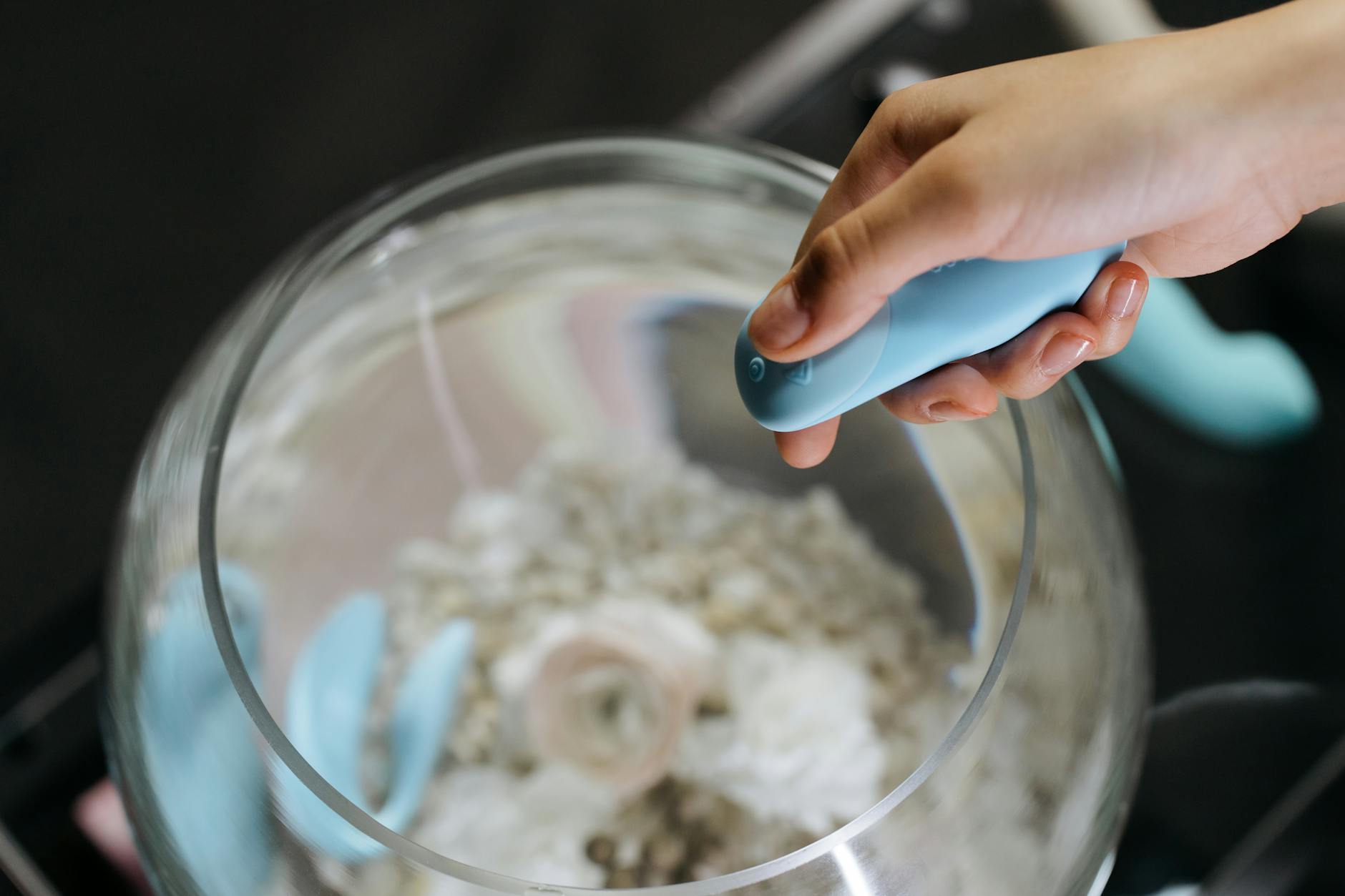
The Lem, Hello Nancy's lemon clitoral vibrator, operates at frequencies and patterns that work with your reawakening sensitivity rather than against it. You can start at low intensities and build gradually without the jarring sensation you get with high-frequency vibrators that feel either intense or nothing.
The timeline of sensitivity recovery
Honestly? It's not fast. But it's predictable.
Weeks one to three, most people report a slight increase in baseline sensation just from the novelty of the suction pattern. This isn't full sensation returning. It's your nervous system saying "oh, this is different." Use the Lem on settings one or two for 10-15 minutes, 3-4 times a week. Your body is learning.
Weeks four to eight, the real shift happens. Sensitivity starts to layer back in. What felt completely numb before now registers as mild sensation. Orgasms might start building again, even if they're not yet the intensity you remember. This is where patience becomes crucial. The temptation is to jump to higher settings. Don't. Keep working the lower intensities until they feel genuinely pleasurable.
Weeks nine to sixteen, for most people, sensation is largely restored. Not back to pre-medication baseline necessarily. Different, sometimes even richer. The nervous system has recovered enough that you can explore higher settings without losing the gains.
How to rebuild without retraumatizing your nervous system
Three principles matter here.
First, consistency over intensity. Using a lemon clitoral vibrator three times a week at setting one is vastly more effective than using it once at setting five. Your nervous system needs repetition to rewire. Each session, even short ones, teaches your body that sensation is coming back.
Second, patience with pleasure. This means acknowledging that orgasm might not happen in these early weeks, and that's completely fine. You're not using the Lem to come. You're using it to feel. When you detach orgasm as the goal, sensation often returns faster. That seems backwards until you understand that you're literally training your nervous system to recognize arousal signals again.
Third, honesty with your partner or yourself about timing. If you're in a relationship, this is worth saying out loud. "I'm rebuilding sensitivity. This might take a few months. I need you to understand that slower doesn't mean less interested." For single people, this means being gentle with yourself when sensation doesn't snap back immediately. Your body isn't broken. It's just needed medication more than it needed full sensation. You're choosing sensation again now.
The role of medication adjustment
Here's the conversation that's worth having with your prescriber: some SSRI medications have lower sexual side effects than others. Bupropion, for instance, is often prescribed specifically because it doesn't flatten sensation the way paroxetine or sertraline sometimes do. If you've been on the same medication for years and sexual numbness is significantly affecting your quality of life, switching medications is worth discussing.
But switching isn't always possible. Some medications work for depression in ways others don't. If you're on something that's keeping you stable, the work is rebuilding sensitivity within that constraint. Which is where consistency with a lemon clitoral vibrator actually becomes your most reliable tool.
When to see a doctor
If sensation is returning but slowly, you're on the right track. Keep going. If it's been six months of consistent use and nothing has shifted, talk to your provider. Sometimes sexual dysfunction from SSRIs requires adding an additional medication that counteracts the sexual side effects. Compounds like bupropion, buspirone, or sometimes even low-dose sildenafil are used specifically to restore sensation in people whose antidepressants have created numbness.
You're not stuck with this. The numbness is medication-induced, not permanent. And <a href="/blog/how-to-use-lemon-vibrator-with-low-libido-after-antidepressants">rebuilding pleasure after antidepressants with a lemon vibrator</a> is genuinely one of the most effective strategies I've seen in my practice.
Managing expectations during partner sex
If you're in a relationship and you're rebuilding sensitivity, your partner probably wants sex to feel the way it used to. That's understandable and also unrealistic during this phase. The rebuild is your solo work first. Partnered sex can happen during this time, absolutely. But setting expectations that you might need more time, more foreplay, or different stimulation positions you both for success rather than disappointment.
Some couples find that introducing the Lem into partnered sex too early creates pressure. The goal stops being mutual pleasure and becomes "does this work." That's the opposite of what you're trying to do. Solo use, patience, and then later, integration. That sequence works better than pushing it too fast.
The long game
What I've seen in my practice again and again is that people who stay consistent with sensitivity recovery work end up with sexual response that's actually deeper than before medication. Not because the medication harmed them. But because the rebuilding process teaches you to pay attention to sensation in a way most people never do. You learn what actually works for your body. You learn the language of arousal in a body that's been quiet. That's valuable.
Your medication is keeping you alive and stable. That matters more than sensation. But sensation matters too. And it's absolutely recoverable.