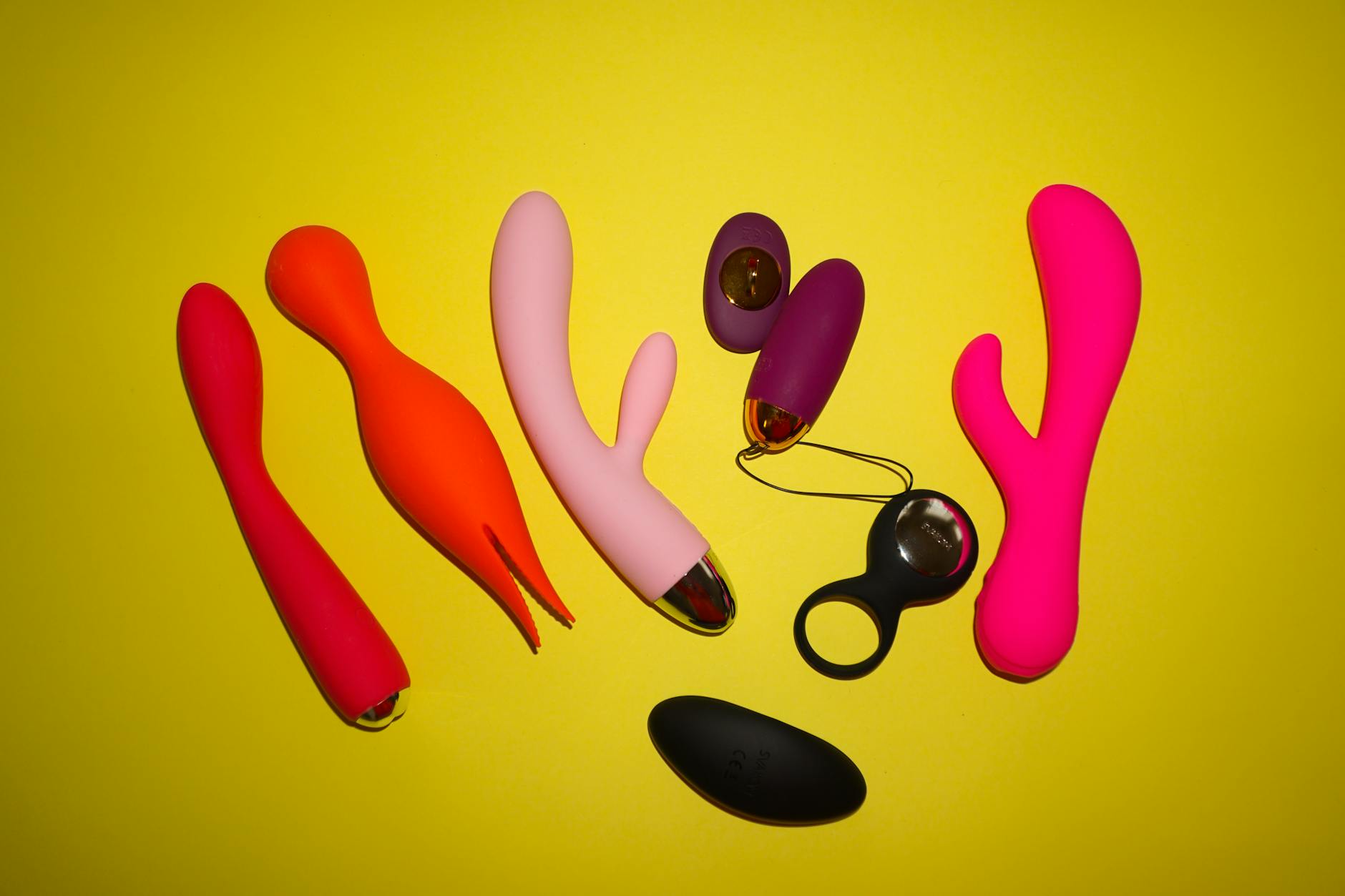
You're thinking about bringing a lemon clitoral vibrator into bed with your partner, and something in your brain is saying: If I suggest this, will they think I'm not satisfied? Will they feel replaced? Am I admitting something I'm not supposed to admit?
Here's the thing: those questions come from shame you inherited, not from anything real about your relationship. And they're worth unpacking, because on the other side of them is better sex.
I work with couples in my practice, and I've heard this from both sides more times than I can count: "I actually wish they'd asked me."
When a partner suggests using a vibrator together, most people don't hear rejection. They hear trust. They hear "I want to feel good, and I want you here while it happens." That's the opposite of lonely. That's intimate.
Here's what research backs up: couples who integrate toys into partnered sex report higher satisfaction, more frequent sex, and less performance anxiety overall. A clitoral vibrator removes the pressure for a partner with a penis to "make it happen" through penetration alone. A lemon vibrator does this particularly well because it's compact, it's not intrusive to penetrative sex, and it's designed for external stimulation in a way that just works.
Your partner probably wants you to come. This is the tool that makes it easier for both of you.
Don't make this a production. You're not confessing to infidelity.
Good opener: "I've been thinking about trying a vibrator during sex, and I want you here. Can we talk about it?" That's it. No apology, no elaborate preamble.
What comes next is listening. They might say yes immediately. They might ask questions. They might need time. All of that is normal. What you're looking for is a conversation, not permission.
If there's hesitation, ask directly: "What are you worried about?" The answer is usually one of three things.
"Will you not need me anymore?" This one deserves honesty. A vibrator is not a replacement for a partner. It's a tool that helps your body do something it's probably already trying to do. Penetration and vibration work together beautifully. The lemon vibrator's design means it fits beside a partner's body, not instead of one.
"Does this mean something is wrong?" No. It means you want more pleasure, and you trust them enough to ask for it. That's actually the sign something is right.
"Do I need one too?" Maybe. Some partners love using one on themselves while you use yours. Some love holding it while inside you. Some want to focus on something else. You'll figure that out together.
The beauty of a clitoral vibrator like the lemon sucker is that it works with most positions, not against them.
If you're doing missionary, you hold it or your partner holds it. Start at pattern 1 or 2, which is lower intensity. Missionary is already creating friction and pressure, so you don't need to add a ton of stimulation right away. You're building sensation, not overloading it.
If you're on top, you have the most control. You can angle the vibrator exactly where you want it. Many people find this position easiest for first-time toy integration because you're not depending on your partner to figure out the angle.
Spoon position is weirdly perfect for this. You're already close, already intimate, and there's room between your bodies for a vibrator. It's less performance-oriented and more about sensation.
The key principle: start slower than you think you need to. Your brain is already processing a new stimulus (the vibrator) plus a familiar one (your partner). You don't need maximum intensity right away.
The lemon clitoral vibrator was designed with a suction motion instead of traditional vibration. For partner play, this changes everything.
Traditional vibrators are buzzy and external. A lemon vibrator creates a gentle seal and pulses, which feels less like your partner is now competing with a machine and more like it's an extension of what's already happening. The stimulation is concentrated without being harsh.
For your partner, it's less intrusive. They can still feel you, still move freely, still be part of what's happening. There's no awkward angle or buzzing that interferes with penetration.
Start at the lowest settings. You're building trust with this toy, not proving it can do the job. Many people, on first integration with a partner, spend 20-30 minutes at setting 1 or 2. That's not wasted time. That's the point.
Your brain during sex with a new tool is doing three jobs at once: processing your partner, processing the new sensation, and managing any lingering shame or anxiety about what this all means.
That's a lot. So: go slow intentionally, not because you're embarrassed.
You might not orgasm the first time. That's fine. The goal isn't the orgasm yet. The goal is figuring out together what this feels like and building comfort. If you come, great. If you don't, you've still gathered crucial information.
Some people find that having a vibrator in the room takes the performance pressure off, and they come easier. Some find that they need a few sessions to adjust. Both are normal.
One thing that helps: tell your partner what you're feeling. "That feels intense." "Go lower." "I like when you move while this is on." Communication is already important during sex. When you add a tool, it becomes the connective thread that makes it work.
"What if it buzzes too much during penetration?" Lower the intensity. Settings 1-2 are designed for this. Or pull back and focus on external stimulation, then return to penetration. There's no one way.
"Should we use it every time?" No. Some couples use it occasionally, some every session, some save it for when they want something different. You're building a menu, not establishing a rule.
"What if my partner wants to use it on me?" That's a separate conversation. Some people love that. Some don't. Neither is wrong. Your partner might have their own sensitivities or preferences about how and when a toy touches them.
"Is this going to ruin regular sex for me?" No. Your body doesn't become dependent on a vibrator. If anything, you learn more about what your body likes, which makes partnered sex better even without a tool.
If your partner responds with anger or shame, or if you feel pressure to either use it or reject it, that's worth talking to someone about. A vibrator shouldn't be a flashpoint in your relationship. If it is, the vibrator isn't the problem.
That said, many couples find that the conversation itself is the turning point. Asking for what you want, hearing "yes," trying it together, and having the experience actually work is genuinely connecting. Sex that includes pleasure for everyone is better sex. A lemon vibrator is just a very efficient tool for getting there.
You can absolutely use a clitoral vibrator with a partner. Most partners actually want you to feel good. Introducing a tool like a lemon vibrator doesn't diminish the intimacy; it often clarifies it. Start the conversation without shame, go slow on the settings, and pay attention to what both of your bodies are telling you. The rest will follow.
If you're still uncertain about how to bring it up or what to expect, talk to someone. A therapist, a trusted friend, or your partner directly. The only bad conversation is the one you don't have.
Yes, absolutely. The compact design of clitoral vibrators like the lemon sucker means they sit outside the vagina while penetration happens. Many couples find this setup ideal because it combines penetrative sensation with direct clitoral stimulation. Start at lower intensity settings to find what feels comfortable for both of you, and remember that you can pause, adjust, or switch things up at any moment.
There's no single "best" position. On top gives you the most control over placement and pressure. Missionary is straightforward if your partner or you holds the vibrator. Spooning offers intimacy with plenty of room to maneuver. Try a few and see what feels natural. Many couples find that starting in whatever position they usually enjoy, then adding the tool, works better than trying to engineer a new position from scratch.
The key is treating it as a practical conversation, not a confession. Try: "I've been curious about using a vibrator during sex, and I'd like to try it with you." That's honest, direct, and includes them. Listen to their response without defensiveness. Most partners are relieved because they want you to feel good. If they have concerns, ask what they're worried about and answer truthfully. The weirdness usually evaporates the moment you actually try it together.
Not if you frame it correctly, and not if they understand that a vibrator does one job (concentrated clitoral stimulation) while they do many jobs (emotional presence, penetration, kissing, touch). In fact, removing the pressure for a partner to "make it happen" through penetration alone often makes sex feel less performative and more connected. Many partners report feeling relieved when a vibrator takes some of that responsibility.
Wash it with warm water and mild soap before and after each use. Some people prefer to use a toy cleaner, which is fine. If you're sharing a lemon vibrator between partners, a quick rinse between uses is standard hygiene practice. For detailed care instructions, check the manual or Hello Nancy's care guide, which covers everything from cleaning to storage.
That's their right. Your job is to listen to the reason (if they share one) without pushing. Sometimes people need more time to warm up to the idea. Sometimes it's just not for them, and that's okay. You can still use a lemon vibrator on your own, and you can revisit the conversation later if you want to. The goal is pleasure for everyone involved, and if a toy is creating tension, it's not serving that goal.
Integrating a clitoral vibrator into partnered sex doesn't have to be complicated. It starts with an honest conversation and continues with patience and attention to what both of your bodies are telling you. If you're looking for guidance on how to navigate this transition in your relationship more deeply, our contact page is open. You deserve pleasure, and your partner probably wants you to have it.
Research on sexual satisfaction and toy use in committed relationships comes from ongoing studies in the Journal of Sexual Medicine and clinical observations from sex therapists and relationship counselors. For product-specific information and care guidelines, Hello Nancy's complete lemon vibrator guide covers technical details, design features, and best practices for all users.